Quick Answer: What Are the Main Types of Roof Tiles?
UK homes are covered with five main types of roof tiles: concrete tiles, clay tiles, natural slate, composite or synthetic tiles, and plastic roof tiles. Concrete is the most common choice for cost reasons, clay and slate are favoured for period and listed properties, and composite tiles are gaining popularity for their lighter weight and long guarantees. Each has a different balance of cost, lifespan, and appearance, covered in detail below.
Concrete Roof Tiles
Concrete tiles are the most widely used roofing material in the UK, fitted on the majority of post war housing stock. They are manufactured from sand, cement, and pigment, pressed into interlocking profiles.
- Cost: £35 to £55 per square metre installed
- Lifespan: 40 to 60 years
- Weight: Heavy, requiring adequate roof structure
- Best for: Standard new builds, extensions, and budget conscious re-roofs
Concrete tiles can fade over time, particularly on south facing slopes, but they are the easiest tile type for contractors to source quickly, which keeps both material and labour costs down.
Clay and Redland Roof Tiles
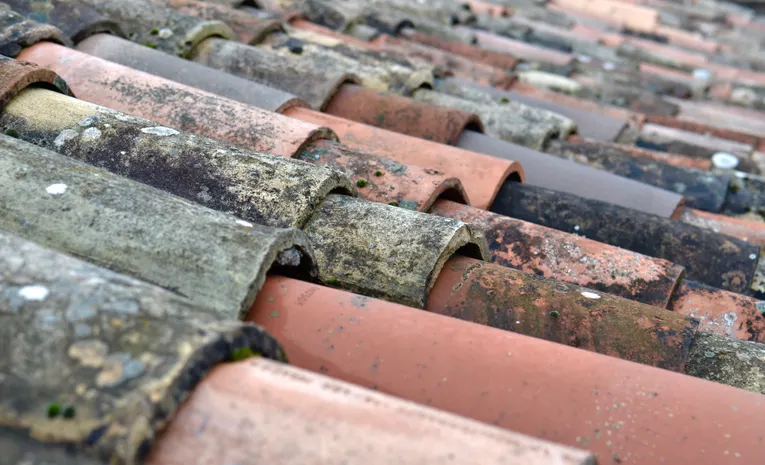
Clay tiles, including well known ranges such as Redland tiles, are fired at high temperature and hold their colour far better than concrete over the long term. Double roman clay tiles and plain clay tiles are both common profiles on UK roofs, particularly in the South East and East Anglia where local vernacular architecture traditionally used clay.
- Cost: £55 to £90 per square metre installed
- Lifespan: 60 to 100 years
- Weight: Lighter than concrete for an equivalent coverage
- Best for: Period properties, conservation areas, and homeowners wanting long term colour retention
Natural Slate Roof Tiles
Natural slate, historically quarried in Wales and the Lake District, is the premium roofing material in the UK and is frequently a requirement on listed buildings. Welsh slate in particular is prized for its consistent thickness and colour.
- Cost: £70 to £120 per square metre installed
- Lifespan: Over 100 years with proper maintenance
- Weight: Lighter than concrete, though individual slates require skilled fitting
- Best for: Listed buildings, heritage properties, premium new builds
Reclaimed slate is also widely available and can significantly reduce cost while still meeting conservation area requirements, since it visually matches older roofs.
Composite and Synthetic Roof Tiles
Composite tiles are manufactured from a mix of recycled materials and resins, designed to replicate the look of natural slate or clay at a fraction of the weight.
- Cost: £45 to £80 per square metre installed
- Lifespan: 30 to 50 years, often with long manufacturer guarantees
- Weight: Significantly lighter than natural slate or concrete
- Best for: Older properties where the roof structure cannot support heavy tiles, extensions, and renovation projects
Plastic and Low Pitch Roof Tiles
Plastic roof tiles and specialist low pitch tile systems are used where the roof pitch is too shallow for traditional interlocking tiles to shed water effectively. Standard concrete and clay tiles generally need a minimum pitch of around 30 degrees, while low pitch systems can work down to 15 degrees.
Minimum Roof Pitch for Roof Tiles in the UK
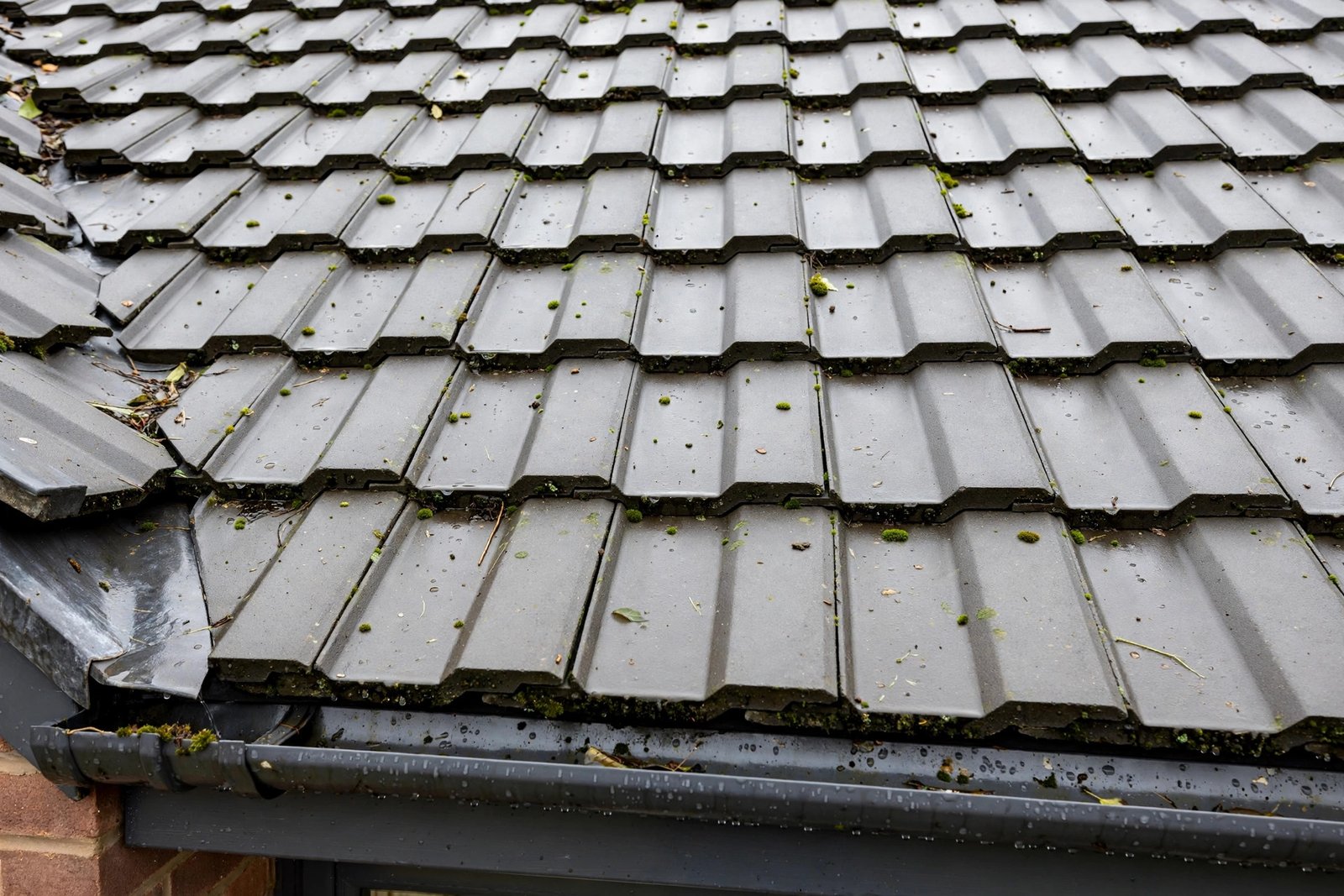
Every tile has a minimum pitch below which rain can be driven uphill between the laps. The oft-quoted 30 degrees only applies to traditional plain tiles: most modern interlocking tiles go much lower. Always check the specific manufacturer’s fixing specification, but these are the typical thresholds:
| Tile type | Typical minimum pitch | Notes |
|---|---|---|
| Clay plain tiles | 35 degrees (some 30 degrees) | The highest minimum of the common types |
| Concrete interlocking tiles | 22.5 degrees standard | Most profiles; some ranges lower |
| Low-pitch concrete tiles | 15 degrees, down to 12.5 degrees | Specialist ranges with weatherproofing channels |
| Clay interlocking pantiles | 17.5 to 22.5 degrees | Some profiles achieve 12.5 degrees |
| Natural slate | 20 degrees | Per BS 5534 recommendations |
| Slate-effect composite tiles | 17.5 degrees | A common workaround for low-pitch slate looks |
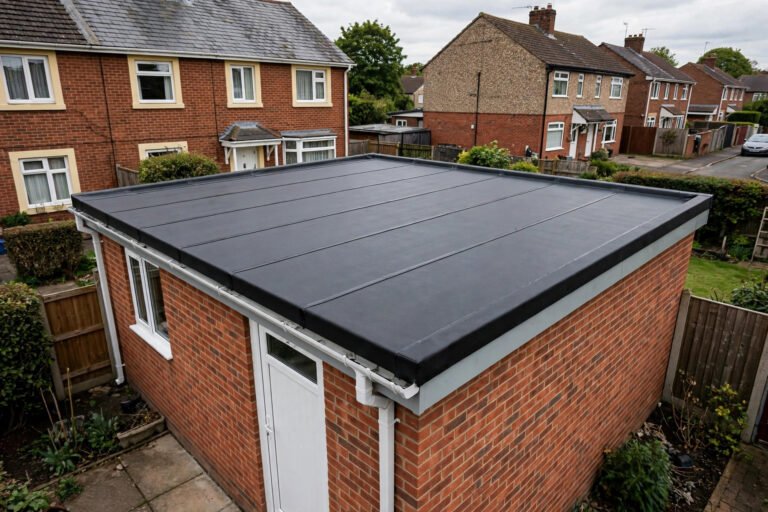
Minimum pitch can sometimes be reduced further by increasing the headlap (the overlap between courses), but only where the manufacturer explicitly allows it: a 100mm headlap instead of 75mm is a common route to 17.5 degrees on tiles rated 22.5 degrees at standard lap. Below the lowest tile thresholds (around 10 to 12.5 degrees), you need a different system entirely: a flat roof covering such as EPDM or GRP, or large-format metal sheeting.
This matters most on extensions, where the new roof pitch is often much lower than the main house and must still blend visually. That is exactly the scenario low-pitch tile ranges were designed for: a 12.5-degree concrete pantile can sit beside a 40-degree clay plain tile roof without forcing a flat roof compromise. Discuss the pitch with your roofer before choosing tiles, not after ordering them.
Roof Tile Pitch FAQs
What is the minimum pitch for concrete roof tiles?
Most concrete interlocking tiles need 22.5 degrees at standard headlap. Specialist low-pitch concrete ranges go down to 15 degrees, and some as low as 12.5 degrees with enhanced weatherproofing channels.
Can you tile a roof with a 15 degree pitch?
Yes, with the right product. Low-pitch concrete tiles and some clay interlocking pantiles are rated down to 12.5 to 15 degrees. Standard interlocking tiles at 22.5 degrees and plain tiles at 30 to 35 degrees are not suitable.
What is the minimum pitch for natural slate?
BS 5534 recommends 20 degrees for natural slate. For a slate look below that, slate-effect composite tiles rated to 17.5 degrees are the usual alternative.
What happens if the roof pitch is too low for the tiles?
Wind-driven rain can be forced uphill between the laps, causing leaks into the batten cavity and loft. The fix is either a tile rated for the pitch, an increased headlap where the manufacturer allows it, or a different roof system.
Do low pitch tiles cost more than standard tiles?
Usually a little more per square metre, but far less than the alternatives: rebuilding the roof at a steeper pitch or switching to a flat roof system. On extensions they are typically the cheapest compliant option.
Roof Tile Comparison Table
| Tile Type | Cost per sqm | Lifespan | Weight | Best Use Case |
|---|---|---|---|---|
| Concrete | £35 to £55 | 40 to 60 years | Heavy | Standard homes, budget re-roofs |
| Clay | £55 to £90 | 60 to 100 years | Medium | Period and heritage properties |
| Natural slate | £70 to £120 | 100+ years | Medium | Listed buildings, premium finish |
| Composite | £45 to £80 | 30 to 50 years | Light | Structurally limited roofs, extensions |
Tile vs Slate: Which Should You Choose?
The tile vs slate question usually comes down to budget, the age and character of your property, and local planning restrictions. Concrete or composite tiles offer the best value for money on a standard modern home, while natural slate is often the only option that will satisfy conservation area or listed building requirements. If your existing roof structure is older and cannot take additional weight, composite tiles give you the appearance of slate without the load.
Roof Tile Vents and Ventilation
Whichever tile type you choose, adequate roof ventilation is essential to prevent condensation building up in the loft space. Tile vents are fitted at intervals across the roof slope to allow air to circulate beneath the covering, and Building Regulations set minimum ventilation requirements based on roof pitch and insulation levels.
How Roof Tile Choice Affects Your Re-Roof Cost
If you are planning a full re-roof, material choice will be the largest single factor in your final price. Our detailed new roof cost UK guide breaks down labour, scaffolding, and material costs for each tile type in more depth.
Maintaining and Cleaning Roof Tiles
- Remove moss growth annually to prevent tiles trapping moisture
- Check for slipped or cracked tiles after severe weather
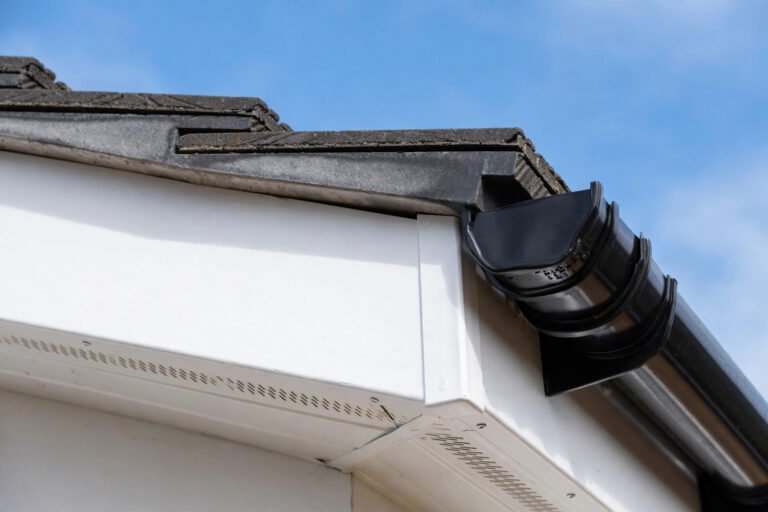
- Keep gutters clear so water does not back up under the tile edges
- Avoid pressure washing, which can strip the protective surface from concrete tiles and shorten their lifespan
Frequently Asked Questions
What is the longest lasting roof tile?
Natural slate typically lasts longest, often exceeding 100 years with regular maintenance, followed by clay tiles at 60 to 100 years.
Are concrete or clay tiles better?
Concrete tiles are cheaper and heavier, while clay tiles cost more but hold their colour better and last longer. The right choice depends on budget and whether your property is in a conservation area.
Can you mix roof tile types on one roof?
It is possible on extensions or additions, but mismatched tiles are usually visible and can affect kerb appeal. Most roofers recommend keeping the same tile family across the full roof where possible.
Do lighter composite tiles perform as well as slate?
Modern composite tiles are tested to withstand UK weather conditions and typically carry manufacturer guarantees of 30 to 50 years, though they do not match the century plus lifespan of genuine slate.
How do I know which roof pitch I have?
A roofer can measure this on site, or you can use a roof pitch calculator with the rise and run measurements from your loft space as a rough estimate before getting a professional survey.
Expert Insight
Roofing suppliers report that composite tile sales have grown steadily in the UK renovation market, largely driven by homeowners extending older properties where the existing roof structure was never designed to carry the weight of traditional concrete or clay tiles.
Final Thoughts
Choosing the right roof tile is about matching material to property type, budget, and any planning restrictions that apply to your home. Concrete remains the practical default for most UK houses, clay and slate suit period properties, and composite tiles offer a lightweight middle ground for renovations and extensions.
Planning a re-roof? Compare quotes from at least three roofers and ask each one to specify the exact tile range and manufacturer guarantee included in their price.
Related Guides
- New Roof Cost UK: Complete Price Breakdown
- Flat Roof Insulation: Complete Guide
- Roof Battens: A Complete Guide
- Roof Cleaning Cost UK: Complete Guide
Written by the HometoWorld editorial team, covering home improvement, renovation, and property maintenance across the UK.
About the Author