Quick Answer: Are Solar Panels Worth It for UK Homes?
Solar panels typically cost £5,000 to £10,000 for an average domestic installation and can pay for themselves within 10 to 15 years through reduced electricity bills and export payments, with a typical system lasting 25 years or more. They are generally worthwhile for south-facing roofs with good sun exposure and suit homeowners planning to stay in the property long enough to recoup the investment.
How Solar Panels Work
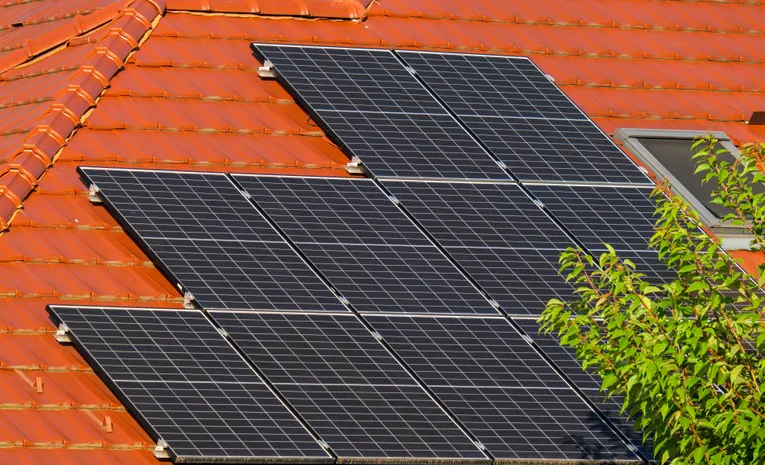
Solar photovoltaic (PV) panels convert sunlight into electricity, which is used to power the home directly, with any surplus either stored in a battery, if fitted, or exported back to the grid. An inverter converts the direct current generated by the panels into the alternating current used by household appliances.
Types of Solar Panels
Monocrystalline Panels
The most efficient and commonly installed panel type for UK homes, offering strong performance even in the more limited sunlight hours typical of the UK climate, though at a higher cost per panel than alternatives.
Polycrystalline Panels
Slightly less efficient but more affordable than monocrystalline panels, polycrystalline panels remain a reasonable option where roof space is not a limiting factor.
Thin-Film Panels
Lighter and more flexible but generally less efficient, thin-film panels suit specific applications rather than typical domestic roof installations.
How Many Solar Panels Does a UK Home Need?
| Household Size | Typical System Size | Approximate Panel Count |
|---|---|---|
| 1-2 bedroom home | 2 to 3 kWp | 6 to 8 panels |
| 3 bedroom home | 3.5 to 4 kWp | 10 to 12 panels |
| 4+ bedroom home | 4.5 to 6 kWp | 12 to 16 panels |
Solar Panel Cost and Payback
| System Size | Typical Installation Cost | Estimated Payback Period |
|---|---|---|
| Small (2-3 kWp) | £4,000 to £6,000 | 10 to 14 years |
| Medium (3.5-4 kWp) | £6,000 to £8,000 | 10 to 15 years |
| Large (4.5-6 kWp) | £8,000 to £12,000 | 10 to 16 years |
Payback periods vary based on household electricity usage, panel orientation, local sunlight levels, and current energy prices, so these figures are general estimates rather than guarantees for any specific property.
Solar Panels and Battery Storage
Adding a battery storage system allows surplus electricity generated during the day to be stored and used in the evening, rather than automatically exported to the grid at typically lower rates than you pay to import. Batteries add significant upfront cost, typically £3,000 to £6,000, but can meaningfully increase the proportion of self-generated electricity you actually use.
Roof Suitability for Solar Panels
- Orientation: South-facing roofs receive the most sunlight and generate the most electricity, though east and west-facing roofs can still perform reasonably well
- Pitch: A roof pitch of around 30 to 40 degrees is generally considered optimal for UK solar generation
- Shading: Trees, chimneys, or neighbouring buildings casting shadow on panels significantly reduce output
- Roof condition: A roof needing replacement within the next few years should ideally be addressed before, not after, solar panel installation
Smart Export Guarantee (SEG)
Under the UK’s Smart Export Guarantee scheme, homeowners with solar panels can receive payment for surplus electricity exported to the grid, with rates varying between energy suppliers. Comparing SEG rates across providers, rather than automatically accepting your existing energy supplier’s rate, can meaningfully affect overall returns from a solar installation.
Planning Permission for Solar Panels
Most domestic solar panel installations fall under permitted development rights and do not require planning permission, provided they meet certain size and positioning criteria. Listed buildings and some conservation areas may have additional restrictions, so checking with your local planning authority before installation is worthwhile if your property falls into either category.
Frequently Asked Questions
Do solar panels work on cloudy days?
Yes, solar panels still generate electricity in cloudy conditions, though at a reduced output compared to direct sunlight, which is factored into typical UK generation estimates given the climate.
How long do solar panels last?
Most solar panels are guaranteed for 20 to 25 years and often continue generating electricity, at gradually reduced efficiency, well beyond this guarantee period.
Do I need planning permission for solar panels?
Most installations fall under permitted development, but listed buildings, conservation areas, or unusually large or prominent installations may require planning permission, so checking locally is advisable.
Is battery storage worth adding to a solar panel system?
This depends on your electricity usage patterns. Households using more electricity in the evening than during daylight hours generally see the most benefit from adding battery storage to store daytime generation for later use.
How much maintenance do solar panels need?
Solar panels require minimal maintenance, typically just occasional cleaning to remove dirt or debris and a periodic professional check of the inverter and connections, since inverters generally need replacement roughly halfway through the panels’ lifespan.
Expert Insight
Renewable energy installers consistently emphasise that realistic generation estimates based on your specific roof orientation and local conditions matter far more for calculating true payback period than generic average figures, since actual performance can vary significantly between similar-sized systems on differently oriented roofs.
Final Thoughts
Solar panels offer a genuine long-term investment for suitable UK properties, particularly those with good south-facing roof space and consistent daytime electricity usage or added battery storage. Getting a proper site-specific assessment, rather than relying on generic estimates, gives the clearest picture of expected payback for your particular home.
Considering solar panels? Get quotes from at least three MCS-certified installers, and ask each for a generation estimate specific to your roof’s exact orientation and any shading, rather than a generic regional average.
Related Guides
Written by the HometoWorld editorial team, covering home improvement, renovation, and property maintenance across the UK.
About the Author