
Quick Answer: What Is a Pencil Pleat Curtain?
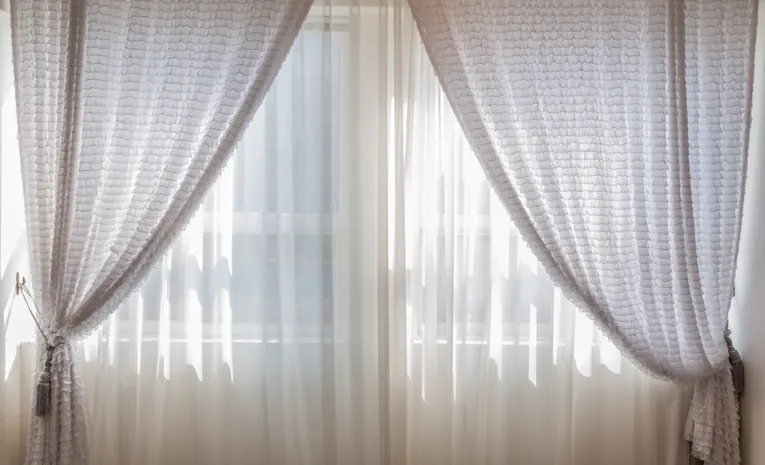
A pencil pleat curtain has a heading tape sewn across the top that, when the cords are pulled, gathers the fabric into tight, narrow, upright folds resembling a row of pencils standing side by side. It is the most traditional and widely used curtain heading in the UK, working on both poles and tracks, and remains popular for its adjustable fullness and versatile look across almost any interior style.
Are Pencil Pleat Curtains Outdated?
No, pencil pleat curtains are not outdated. While eyelet and wave headings have grown in popularity for a more contemporary look, pencil pleat remains one of the most commonly bought curtain headings in the UK, valued for working on both poles and tracks, its adjustable fullness, and its genuinely versatile appearance that suits traditional and modern interiors alike. Concerns about it looking dated usually relate to specific fabric choices or styling from past decades, not the heading style itself.
Pencil Pleat vs Pinch Pleat: Key Differences
| Feature | Pencil Pleat | Pinch Pleat |
|---|---|---|
| Pleat formation | Gathered by pulling cords in heading tape | Permanently sewn, structured pleats |
| Fullness adjustment | Adjustable via cords | Fixed at manufacture |
| Look | Soft, tightly gathered folds | Tailored, structured, formal |
| Cost | Generally more affordable | Uses more fabric, typically pricier |
| Best for | Everyday living rooms, bedrooms, versatile styling | Formal rooms, statement windows |
Pencil Pleat Curtains for Tracks vs Poles
Pencil pleat is one of the few headings that works equally well on both hardware types. On a track, hooks clip directly into gliders running along the track, giving a smooth, concealed operation well suited to bay windows. On a pole, hooks attach to rings that slide along the pole itself, giving the classic, visible hardware look. If you are choosing new hardware specifically for pencil pleat curtains, our curtain poles guide and curtain tracks guide cover choosing and fitting the right hardware in full detail.
Understanding Heading Tape and Fullness Ratio
Pencil pleat curtains typically need 2 to 2.5 times the width of your pole or track to achieve proper fullness once gathered, meaning a curtain panel is cut and sold considerably wider than the finished, pleated width. Heading tape itself comes in different depths, commonly 3 inches or 6 inches, which affects how tall the gathered pleats sit above the hooks, a detail worth checking if you want a specific finished look.
Choosing the Right Curtain Hooks
Most pencil pleat heading tape has three rows of pockets running along its depth, and which row you use directly affects how high or low the curtain sits, adjusting the finished length by an inch or two either way. Standard metal or plastic hooks are the most common choice for pole rings or track gliders, though metal hooks are generally recommended over plastic for better durability and weight support. For a firmer, more structured fold, some fitters use pinch pleat style hooks on pencil pleat tape, though this is a hybrid technique rather than the standard approach.
| Hook Row Used | Effect on Curtain Length |
|---|---|
| Top row | Curtain sits higher, less pooling or clearance from floor |
| Middle row | Standard, balanced finish |
| Bottom row | Curtain sits lower, more pooling or floor contact |
How to Hang Pencil Pleat Curtains
- Measure the full width of your pole or track, not just the window frame, since the gathered curtain needs the complete span
- Tie the heading tape cords together at one end first, to stop them pulling through while you gather the other end
- Gently pull the loose cords to gather the fabric into even pleats, working by hand until the width matches your pole or track
- Insert hooks into your chosen row of pockets, spacing them every fourth pocket or roughly every 10cm
- Attach each hook to a curtain ring, for a pole, or a glider, for a track
- Slide rings onto the pole, or clip gliders onto the track, keeping one ring or glider outside each bracket to anchor the curtain in place
- Tie off the loose cords at the other end, and tuck them behind the tape rather than cutting them, in case you need to adjust fullness or re-gather for cleaning later
For curtains without rings, specific S-hooks or pole hooks that loop directly over the pole can be used instead, skipping rings entirely, though this suits lighter fabrics best and needs a pole with a compatible diameter for the hook style.
Dressing Your Curtains: The 48-Hour Trick
Once hung, gently shape the pleats by hand, running your fingers down the length of each fold from top to bottom. Then tie the curtains loosely with fabric strips, often cut from the curtains’ own packaging, holding the folds in position without marking the fabric. Leave this in place for around 48 hours, allowing the fabric to build a “memory” of the pleated shape. Once untied, the curtains should continue falling into neat, even folds on their own.
Pencil Pleat Curtains for Blackout
Pencil pleat performs well as a blackout heading, since the dense gathering at the top helps reduce the light gap that headings like eyelet can allow through their rings. Combined with a good blackout lining and hardware with adequate return depth, pencil pleat on a track is one of the more effective heading and hardware combinations for genuine darkness. Our blackout curtains guide covers fabric grades and gap-fixing tips in full detail.
Pencil Pleat Curtains for the Bedroom
Pencil pleat suits bedrooms particularly well thanks to its combination of good light control, adjustable fullness to fit older or non-standard windows, and a soft, classic look that works with most bedroom styles. Choosing a track over a pole for a bedroom generally improves light sealing further, given the closer fit against the wall.
Choosing Pencil Pleat Curtain Colours
| Colour/Style | Best For |
|---|---|
| Cream or white | Light, versatile, works with most decor |
| Grey | Neutral, contemporary, easy to coordinate |
| Bold pattern or colour | Traditional and period-style rooms, statement look |
| Blackout-lined pencil pleat | Bedrooms prioritising darkness alongside classic style |
Comparison Table: Pencil Pleat at a Glance
| Factor | Detail |
|---|---|
| Hardware compatibility | Pole or track |
| Fullness needed | 2 to 2.5x pole/track width |
| Hook spacing | Every 4th pocket, roughly 10cm apart |
| Settling time | 48 hours dressed/tied for best pleat memory |
| Best for | Bedrooms, living rooms, period and modern interiors alike |
Frequently Asked Questions
What is a pencil pleat curtain?
A pencil pleat curtain has a heading tape that gathers into tight, narrow, upright folds when the cords are pulled, resembling a row of pencils, and works on both curtain poles and tracks.
Are pencil pleat curtains outdated?
No, pencil pleat remains one of the most popular curtain headings in the UK, valued for its versatility and hardware compatibility, though other headings like eyelet or wave have grown in popularity for a more contemporary look.
What is the best way to hang pencil pleat curtains?
Tie the heading cords at one end, gather the pleats evenly by pulling the loose cords, insert hooks every fourth pocket, attach to rings or gliders, then dress the hung curtains with ties for 48 hours to set the pleats.
What’s the difference between pencil pleat and pinch pleat?
Pencil pleat uses an adjustable heading tape gathered with cords, while pinch pleat uses permanently sewn, structured pleats, giving pinch pleat a more formal, tailored look at typically higher cost.
Expert Insight
Curtain fitters consistently recommend never cutting the heading tape cords once curtains are hung, tucking them away instead, since this keeps the option open to re-gather the fullness later for cleaning, rehanging in a different window, or simply adjusting the look without needing new heading tape entirely.
Final Thoughts
Pencil pleat remains a genuinely versatile, far from outdated curtain heading, working well across both poles and tracks with adjustable fullness that suits a huge range of windows and interior styles. Taking the time to gather pleats evenly and dress the curtains for 48 hours after hanging makes a noticeable difference to the finished, professional look.
Hanging new pencil pleat curtains? Do not cut the heading cords once tied off, tuck them behind the tape instead, since you may need them again for cleaning or adjusting fullness later.
Related Guides
- Curtain Types & Styles: The Complete Guide
- Eyelet Curtains: The Complete Buying Guide
- Blackout Curtains: The Complete Guide
Written by the HometoWorld editorial team. HometoWorld covers home improvement, renovation, and property maintenance across the UK, with guides written and fact-checked against current UK soft furnishing trade fitting standards. This article draws on trade hanging technique and heading tape manufacturer guidance to give homeowners accurate, independent fitting advice rather than promoting one retailer’s product range.
About the Author