
Quick Answer: What Is an EPC Rating and Why Does It Matter?
An Energy Performance Certificate (EPC) rates a UK property’s energy efficiency on a scale from A (most efficient) to G (least efficient), based on factors like insulation, heating system, and glazing. It is a legal requirement when selling or renting a property, remains valid for 10 years, and directly affects both running costs and, increasingly, a property’s marketability.
Last reviewed: October 2026
Understanding the EPC Rating Scale
| Rating | Efficiency Level | Typical Property Type |
|---|---|---|
| A to B | Highly efficient | New builds, recently retrofitted homes |
| C to D | Reasonably efficient | Most average UK homes with some insulation |
| E | Below average | Older homes with limited upgrades |
| F to G | Poor efficiency | Older, un-upgraded properties, often period homes |
The average UK home currently sits around a D rating, meaning there is significant room for improvement across much of the existing housing stock.
What Does an EPC Assessment Cover?
- Wall, roof, and floor insulation levels
- Heating system type and efficiency, including boiler age and controls
- Glazing type, such as single, double, or triple glazing
- Hot water system efficiency
- Lighting type throughout the property
- Renewable energy features, such as solar panels, where present
How to Get an EPC
An EPC must be produced by an accredited Domestic Energy Assessor, who visits the property to record relevant details before generating the certificate. This typically takes 30 to 60 minutes for an average home, with the certificate issued shortly afterward.
EPC Cost and Validity
| Item | Typical Cost/Duration |
|---|---|
| New EPC assessment | £60 to £120 |
| Certificate validity | 10 years |
| Renewal (if selling/letting after expiry) | Same as initial assessment cost |
How to Improve Your EPC Rating
Quick, Lower Cost Improvements
- Switch to LED lighting throughout the property
- Top up loft insulation to the recommended 270mm depth
- Fit draught proofing around doors and windows
- Install a hot water cylinder jacket if not already fitted
Medium Cost Improvements
- Cavity wall insulation, where the property has suitable cavity walls
- Upgrade to a more efficient, modern condensing boiler
- Add heating controls such as thermostatic radiator valves and a smart thermostat
Higher Cost Improvements
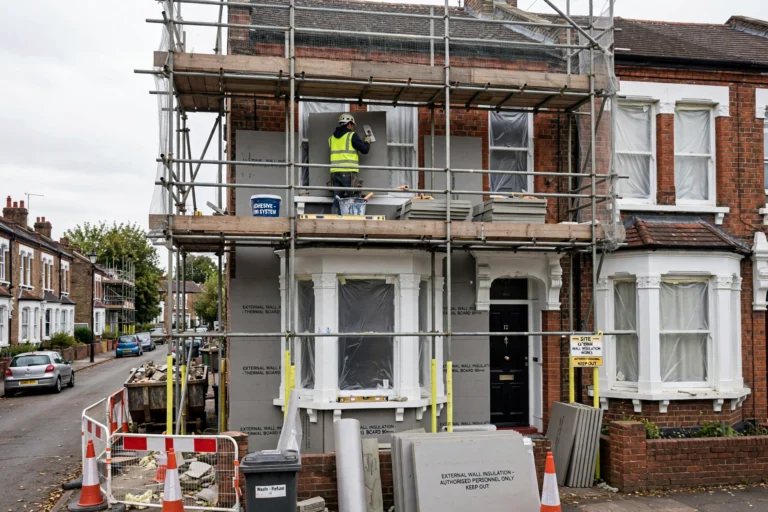
- Solid wall insulation for older, non-cavity properties
- Full double or triple glazing replacement where single glazing remains
- Solar panel installation
How to Go from EPC D to C: Start with Your SAP Score
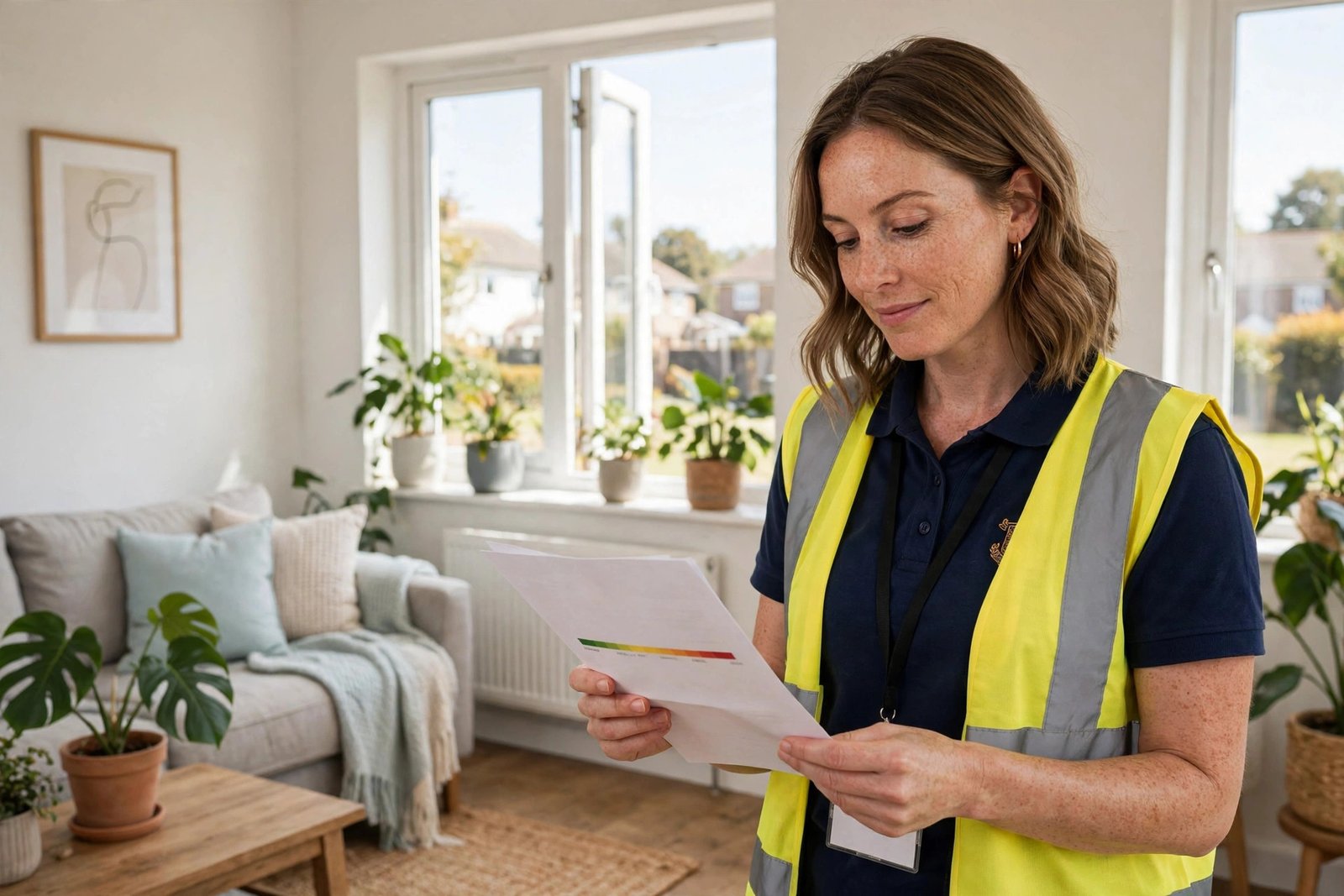
EPC band D covers 55 to 68 SAP points; band C starts at 69. The formula is simple: 69 minus your current score = the points you need. A home rated D62 needs just 7 more points. Find both your score and your property’s recommended measures on the GOV.UK “find an energy certificate” register: the recommendations report lists measures in cost-effectiveness order, which is your personal roadmap.
Worked example: a D62 three-bed semi needs +7 points. Topping up loft insulation to 270mm typically adds 5 to 8 SAP points (£300 to £600), and adding thermostatic radiator valves plus a room thermostat adds 2 to 4 points (£200 to £500). Together they cross 69: band C, for under £1,100.
The Cheapest Route from D to C (in the Right Order)
Step 1: Fabric first
Stop heat escaping before upgrading heating. Top up loft insulation to 270mm, draught-proof doors and windows, insulate cavity walls if you have them, and fit an 80mm jacket on your hot water cylinder. These are the cheapest points per pound you can buy.
Step 2: Heating, controls and lighting
Fit thermostatic radiator valves, a room thermostat and a programmer if any are missing, and switch every bulb to LED. A new A-rated condensing boiler adds roughly 5 to 15 SAP points, but on its own it rarely crosses the line: it usually needs combining with insulation or controls.
Step 3: Bigger leaps if you are still short
If fabric and controls leave you below 69, consider a heat pump (in a well-insulated home), solar PV, solid wall insulation, or high-heat-retention storage heaters for electrically heated flats.
Cost per SAP point: which pound buys the most?
| Measure | Typical cost | SAP points gained |
|---|---|---|
| Loft insulation top-up to 270mm | £300 to £600 | 5 to 8 |
| Cavity wall insulation | £800 to £1,500 | 10 to 15 |
| Heating controls (TRVs + thermostat) | £200 to £500 | 2 to 4 |
| LED lighting throughout | £50 to £200 | 1 to 2 |
| Hot water cylinder jacket | £25 to £50 | 1 to 2 |
| New A-rated boiler | £2,500 to £4,000 | 5 to 15 |
| Solid wall insulation | £5,000 to £12,000 | 15 to 25 |
Figures are indicative 2026 installer pricing: always get quotes. See our loft insulation guide and cavity wall insulation guide for detail.
What Does D to C Cost for Your Property Type?
| Property type | Typical D-to-C cost |
|---|---|
| Cavity-wall semi or terrace | £500 to £3,500 |
| Modern flat | £800 to £3,000 |
| 1930s semi | £1,500 to £5,000 |
| Solid-wall Victorian or Edwardian | £5,000 to £12,000 |
| Detached house | £3,000 to £12,000 |
Cost bands are grounded in published 2026 certificate analyses. London and the South East typically run 10 to 20 percent above average on labour.
Do You Need a New EPC After the Work?
Yes. Your certificate does not update automatically when you complete improvements: you must book a re-assessment (typically £60 to £120) for the new rating to count. Keep all invoices and receipts: you may need them as evidence for cost-cap exemptions.
Grants That Cut the Cost of Getting to C
- ECO4 (extended to December 2026): energy-efficiency measures for eligible low-income households
- Warm Homes: Local Grant: local-authority delivered upgrades for low-income owner-occupiers and private renters
- Boiler Upgrade Scheme: £7,500 towards a heat pump, confirmed to 2029/30. Note: landlords generally need outstanding loft and cavity recommendations completed first (fabric first)
- Great British Insulation Scheme: single insulation measures for homes in council tax bands A to D (England) or A to E (Scotland and Wales)
Eligibility changes: check GOV.UK for the current position before relying on any scheme.
Improving EPC from D to C Before Selling
Each EPC band uplift is associated with a 1 to 3 percent value increase, and reaching C delivers the biggest value jump relative to cost. Green mortgages also offer preferential rates for C-rated homes. If you are selling within a year or two, the D-to-C spend often pays for itself.
EPC D to C FAQs
How many SAP points do I need to go from D to C?
Band C starts at 69 SAP points and band D covers 55 to 68. Subtract your current score from 69: a D62 home needs 7 more points.
What is the cheapest way to improve an EPC from D to C?
Start with loft insulation top-up (£300 to £600), cavity wall insulation (£800 to £1,500), heating controls (£200 to £500) and LED lighting (£50 to £200). These buy the most SAP points per pound.
How much does it cost to improve an EPC rating from D to C?
Typically £500 to £3,500 for cavity-wall homes, £5,000 to £12,000 for solid-wall Victorian or Edwardian properties. Always get quotes: figures are indicative 2026 pricing.
Will a new boiler on its own take me from D to C?
Unlikely. A new A-rated boiler adds roughly 5 to 15 SAP points, which usually needs combining with insulation or heating controls to cross 69.
Does a smart meter improve my EPC rating?
No. The SAP specification lets assessors record a smart meter but it adds zero points. It can cut your bills, but it does not change the certificate.
Do I need a new EPC assessment after making improvements?
Yes. The rating only changes when a new assessment is lodged, so book a re-assessment after completing the work.
Will landlords really need EPC C by 2030?
The government’s January 2026 response sets out that intention for 1 October 2030, with fines up to £30,000, but legislation is still to follow. Check GOV.UK for the current position.
Can the EPC methodology change affect my rating?
Yes. EPCs move to the Home Energy Model from October 2026, which can shift scores, so aim comfortably above 69 SAP points rather than just scraping over.
EPC Ratings and Property Value
A higher EPC rating increasingly appeals to buyers and tenants concerned about running costs, and some mortgage lenders now offer preferential rates for higher-rated, more energy efficient properties. While not the only factor in valuation, an unusually poor rating relative to similar local properties can affect buyer interest and marketing time.
Landlords: the 2030 EPC C Deadline (Updated October 2026)
The government’s January 2026 consultation response (Warm Homes Plan) sets out the intention that all private rented homes in England and Wales reach EPC C by 1 October 2030, with a single deadline for all tenancies and fines of up to £30,000. Important: this is not yet law. It needs an Act of Parliament plus a statutory instrument, so verify the current position on GOV.UK before making investment decisions.
The proposal includes a £10,000 cost cap per property every 10 years (reviewed every 5 years from 2030), an affordability exemption for properties valued under £100,000 (capped at 10 percent of value), and a requirement to register exemptions with evidence on the PRS Exemptions Register.
One more reason to act early: EPCs move to the Home Energy Model dual-metric (Fabric Performance plus Heating System and Smart Readiness) from October 2026, which can shift scores. Aim comfortably above 69 rather than scraping over the line, and book assessors before the deadline rush tightens capacity.
Common EPC Misconceptions
- “A new boiler alone will jump my rating significantly” — while helpful, boiler efficiency is one factor among several, and insulation often has a bigger combined impact
- “EPC ratings are only relevant when selling” — ratings also matter for rental compliance and can highlight genuine efficiency improvements worth making regardless of a sale
- “All improvements cost the same to implement” — cost varies enormously between simple measures like LED bulbs and major work like solid wall insulation
Frequently Asked Questions
Is an EPC a legal requirement?
Yes, an EPC is legally required when selling or letting a property in England, Wales, and Scotland, and failure to provide one can result in financial penalties.
How long does an EPC last?
An EPC remains valid for 10 years from the date of assessment, regardless of any changes made to the property during that period, though getting a new one after improvements can reflect updated efficiency accurately.
Can I check my EPC rating without a new assessment?
Yes, existing EPCs for any property can be checked via the official government EPC register using the property’s postcode, provided a valid certificate has been issued within the last 10 years.
Does double glazing significantly improve an EPC rating?
Double glazing helps, particularly if replacing single glazing, but its impact on the overall rating is generally smaller than major insulation improvements like loft or cavity wall insulation.
What is the cheapest way to improve an EPC rating?
LED lighting and loft insulation top-ups are typically the lowest cost improvements with a meaningful positive impact on rating, making them a sensible starting point before considering more expensive measures.
Expert Insight
Energy assessors consistently note that homeowners often overestimate the impact of a single visible upgrade, like a new boiler, while underestimating the combined effect of several smaller measures such as insulation top-ups and draught proofing, which together often move a rating band more effectively.
Final Thoughts
Understanding your EPC rating, and the specific factors behind it, makes it much easier to prioritise cost-effective improvements rather than guessing at what might help. Whether preparing to sell, let, or simply reduce running costs, addressing insulation and heating efficiency together typically delivers the most meaningful rating improvement.
Improving your EPC rating? Review your existing certificate’s recommendations section first, since it lists specific, prioritised improvements identified for your property rather than generic advice.
Related Guides
Written by the HometoWorld editorial team, covering home improvement, renovation, and property maintenance across the UK.
About the Author