Quick Answer: How Long Should Plaster Dry Before Painting?
Fresh plaster should dry for at least four to six weeks before painting with standard emulsion, though a specialist mist coat, a heavily thinned first coat of emulsion, can be applied sooner to help the wall breathe as it continues drying. Plasterboard that has been skimmed follows the same drying guidance, while unskimmed plasterboard can generally be painted much sooner once primed correctly.
Why Plaster Needs Time to Dry Before Painting
Fresh plaster contains a significant amount of water that needs to evaporate slowly as the plaster cures, so it is worth timing this alongside other work like skirting board painting rather than rushing both at once. Painting too soon with a standard, less breathable paint can trap this moisture beneath the paint film, leading to bubbling, cracking, or the paint failing to adhere properly as the trapped moisture eventually tries to escape.
How to Tell If Plaster Is Dry Enough to Paint
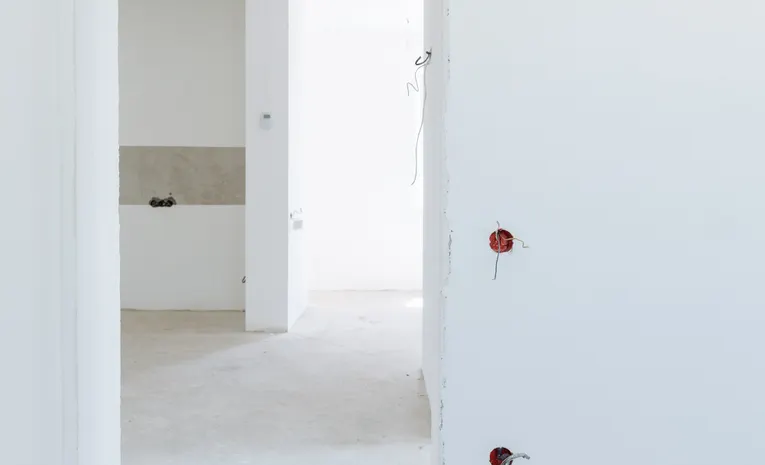
- Fresh plaster typically changes from a dark pink or brown colour to a lighter, more even pink or off white as it dries
- The surface should feel completely dry and cool to the touch, with no residual dampness
- A moisture meter can give a more precise reading if you want certainty before proceeding, particularly on a large area
- Persistent patches that stay darker than the surrounding plaster often indicate areas still drying, commonly near corners or where the plaster is thicker
What Is a Mist Coat and Why Does It Matter?
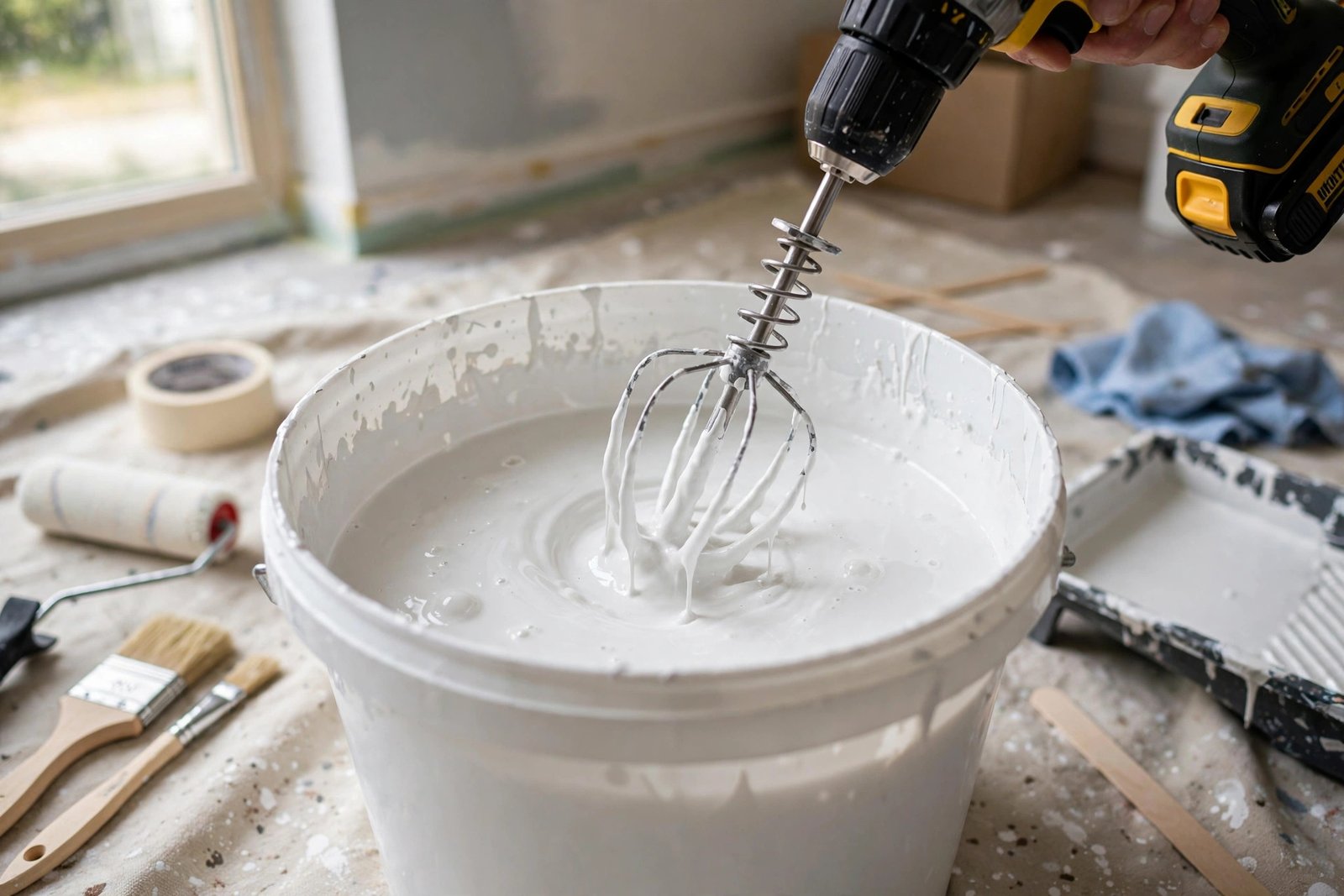
A mist coat is a heavily thinned first coat of emulsion, typically diluted with around 10 to 20 percent water, applied to new plaster before the standard full strength coats. This diluted coat allows the plaster to continue breathing and releasing moisture while still providing some protection and a base for subsequent coats, rather than sealing the surface too early with a full strength paint.
Mist Coat Ratios Explained: Why the Advice Conflicts
Search mist coat ratios and you will find 80:20, 70:30, 50:50 and even 75:25, all stated with confidence. The advice conflicts because paint viscosity differs: a thick trade emulsion needs more water than a thin retail one to reach the same thin, soak-in consistency. There is no single magic number, but there is a reliable rule: the mix should be thin enough to soak into the plaster rather than sit on it, roughly the consistency of skimmed milk.
| Paint type | Suggested ratio (paint to water) | Notes |
|---|---|---|
| Standard emulsion | 80:20 or 75:25 | The most commonly recommended starting point |
| Thick trade emulsion | 70:30 or 50:50 | Thicker paints need more water to thin down |
| Pro two-coat method | 50:50 first, then 75:25 | Belt and braces: the thin first coat soaks deep, the second builds the base |
The two-coat method is worth knowing. Trade decorators working on site often apply a first mist coat at 50:50, let it dry 24 hours, then follow with a second at 75:25. It uses more paint and a day longer, but it virtually guarantees the topcoats bond properly, which matters on large areas like whole-house re-plastering where a failure would be expensive to fix.
Just as important as the ratio is which paint you thin. Use a non-vinyl matt emulsion, ideally a cheap contract matt: there is no need for expensive paint in a coat whose job is to soak in and disappear. Never use vinyl or silk emulsion for a mist coat. These form a skin on the plaster surface instead of bonding with it, and the finish can flake or peel off in sheets. White is the usual choice since it will not affect your topcoat colour, and always check the tin: some manufacturers now specify their own dilution rate or sell a dedicated bare-plaster primer.
Painting New Plasterboard vs Skimmed Plaster
| Surface | Drying Time Needed | Preparation Before Painting |
|---|---|---|
| Freshly skimmed plaster (over plasterboard or existing wall) | 4 to 6 weeks | Mist coat, then two full coats |
| Unskimmed plasterboard (dot and dab or taped joints only) | No specific drying time needed | Plasterboard specific primer, then topcoats |
| Bare plaster patch repair | Matches surrounding drying time, typically 1 to 2 weeks for a small patch | Spot prime the repaired area before full wall repaint |
Can You Paint Directly Onto Plasterboard?
Yes, plasterboard that has not been skimmed with a plaster finish can generally be painted much sooner, though it still needs an appropriate plasterboard primer first. Plasterboard has a more absorbent paper surface than skimmed plaster, and painting without a suitable primer often results in an uneven, patchy finish as the paper absorbs paint unevenly across joints and screw heads.
Choosing the Right Primer for New Plaster
- Mist coat (thinned emulsion): Traditional approach for skimmed plaster, allows continued breathing
- Plasterboard primer: Specifically formulated for the paper surface of unskimmed plasterboard
- Bare plaster primer/sealer: Modern alternative to a mist coat, sealing and preparing plaster in one step, though check the manufacturer’s guidance on minimum drying time before use
Common Mistakes When Painting New Plaster
- Painting with full strength emulsion too soon, without a mist coat, risking a patchy, uneven first coat
- Rushing the drying process by using heaters, which can cause plaster to dry unevenly and crack
- Ignoring dark patches that indicate the plaster is not yet fully dry in that specific area
- Using standard wall primer on plasterboard instead of a product designed for the more absorbent paper surface
Frequently Asked Questions
Can I paint new plaster after two weeks?
It is generally recommended to wait at least four weeks, and ideally six, for plaster to dry fully before painting with standard full strength emulsion, though a mist coat can be applied sooner to help the surface continue breathing.
What happens if you paint plaster too soon?
Painting before plaster is fully dry can trap moisture beneath the paint film, leading to bubbling, cracking, or poor adhesion as the trapped moisture eventually tries to escape through the paint layer.
Do you need a mist coat on plasterboard?
Unskimmed plasterboard does not need a traditional mist coat in the same way skimmed plaster does, but it does need a plasterboard specific primer to even out absorbency across the paper surface and joints.
How many mist coats does new plaster need?
Usually one mist coat is sufficient before moving on to two full strength topcoats, though very absorbent or patchy plaster may benefit from a second lighter coat before the full strength paint.
Can you speed up plaster drying time?
Good ventilation and moderate ambient temperature help plaster dry evenly, but artificial heating to force faster drying is generally not recommended, since it can cause uneven drying and cracking.
Mist Coat Ratio FAQs
What is the best mist coat ratio for new plaster?
Start with 80:20 (paint to water) for standard emulsion, or 70:30 to 50:50 for thicker paints. The mix should be thin enough to soak into the plaster, about the consistency of skimmed milk. Always check your paint tin for the manufacturer’s guidance.
Can I use silk paint for a mist coat?
No. Silk and vinyl emulsions form a skin on the plaster instead of bonding with it, which can cause the finish to flake or peel. Use a non-vinyl matt emulsion for mist coats.
Do I need one or two mist coats?
One coat at around 75:25 is enough for most jobs. For large areas or maximum security, decorators use a two-coat method: 50:50 first, then 75:25 after 24 hours drying.
Can I use cheap paint for a mist coat?
Yes. A cheap contract matt emulsion is ideal for mist coats: its job is to soak in and seal, not to provide the finish. Save your quality paint for the topcoats.
How long should I wait between the mist coat and topcoat?
Allow a full 24 hours for the mist coat to dry before applying topcoats. Do not worry if it looks patchy: that is normal, since its job is sealing the plaster, not covering it.
Expert Insight
Plasterers consistently advise against rushing new plaster, noting that the small time investment in proper drying and a correct mist coat prevents the far more time consuming problem of a bubbled or cracked paint finish that then needs stripping back and redoing.
Final Thoughts
Patience is the most important ingredient when painting new plaster. Allowing adequate drying time, using a mist coat for skimmed plaster or the correct primer for plasterboard, and watching for visual signs of remaining dampness will give a smooth, durable finish that lasts.
Just had plastering work done? Mark the date on a calendar and plan your painting for at least four weeks later, giving the plaster the time it needs before you commit to your final wall colour.
Related Guides
- Skirting Board Paint: The Complete Guide
- Matt vs Silk Paint: Which Should You Choose?
- Paste the Wall Wallpaper: Complete Guide
Written by the HometoWorld editorial team, covering home improvement, renovation, and property maintenance across the UK.
About the Author