Quick Answer: How Do You Remove Old Paint and Varnish?
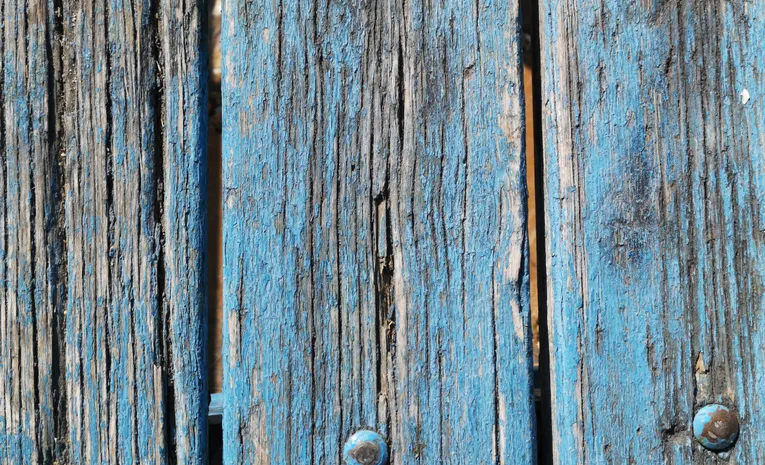
Old paint and varnish can be removed using a chemical paint stripper, heat gun, or mechanical sanding, with the right method depending on the surface, the number of layers to remove, and whether the old paint might contain lead, which requires extra precautions on properties built before 1960.
Chemical Paint and Varnish Strippers
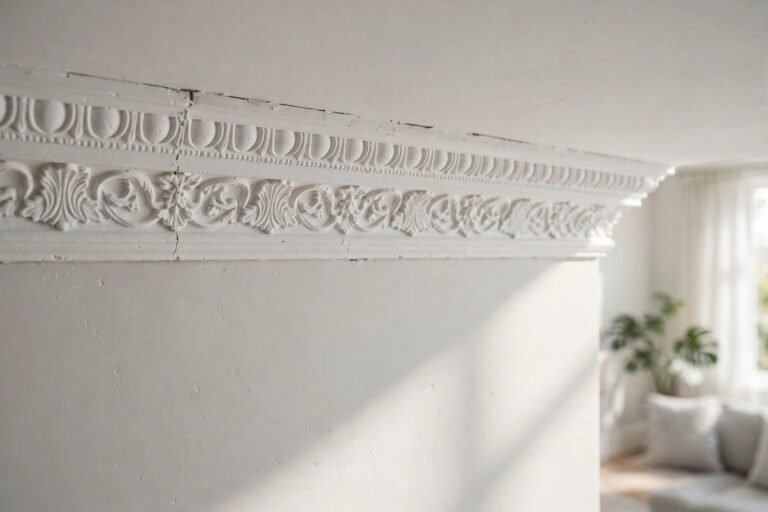
Chemical strippers soften old paint or varnish so it can be scraped away, and remain one of the most effective methods for detailed surfaces like mouldings or panelled doors where sanding would be slow and heat guns risk scorching.
- Apply a generous, even layer of stripper following the product’s specific instructions
- Allow the recommended dwell time for the stripper to fully soften the finish
- Scrape away the softened paint or varnish with a suitable scraper, working in the direction of the wood grain
- Clean the surface with the recommended neutraliser or white spirit before repainting or refinishing
Heat Guns for Paint Removal
A heat gun softens paint through heat rather than chemicals, allowing it to be scraped away as it bubbles. This method works well on flat surfaces and can be faster than chemical stripping for large areas, but requires care to avoid scorching the underlying wood and carries a fire risk if used carelessly near flammable materials.
Sanding and Mechanical Paint Removal
Mechanical sanding, using a hand sander or power sander, physically removes old paint layers through abrasion. This works well for flat surfaces without intricate detail, though it generates significant dust and is not recommended on surfaces that may contain lead paint without proper dust control and protective equipment.
Comparison of Paint Removal Methods
| Method | Best For | Speed | Considerations |
|---|---|---|---|
| Chemical stripper | Detailed mouldings, panelled doors | Moderate | Fumes, needs ventilation, some products require neutralising |
| Heat gun | Flat surfaces, thick paint layers | Fast | Fire and scorch risk, needs a steady hand |
| Sanding | Flat wood or metal surfaces | Slow to moderate | Significant dust, lead paint risk on older properties |
Which Type of Paint Stripper Should You Use?
Not all chemical strippers work the same way. The right type depends on how many layers you are removing and how detailed the surface is. There are three main types sold in the UK.
| Stripper type | How it works | Typical dwell time | Best for |
|---|---|---|---|
| Liquid or gel stripper | Brushed on, softens paint for scraping | 20 to 60 minutes | One to three layers on flat wood or metal; quick jobs |
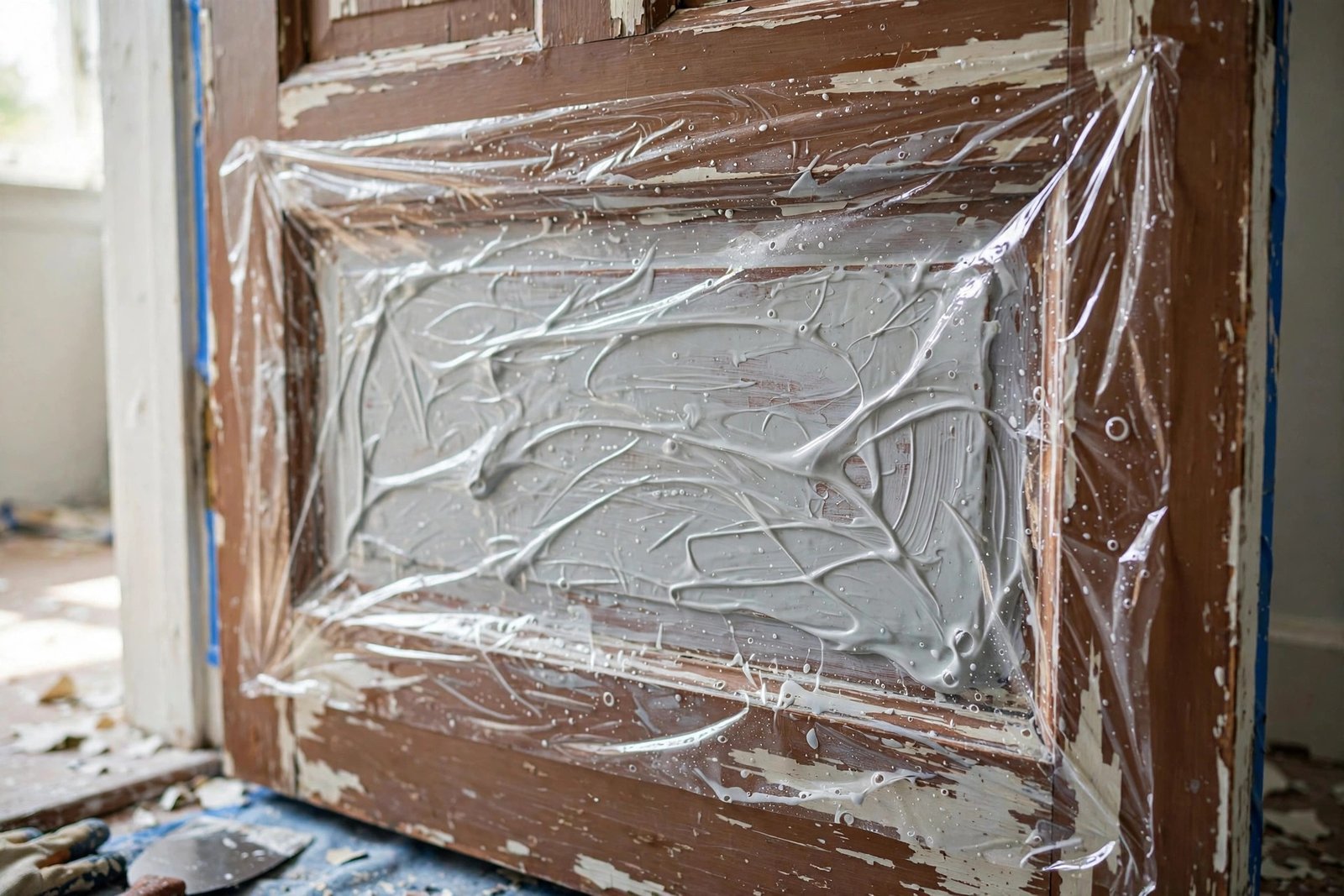
| Paste or poultice stripper | Applied thick, covered with film, lifts multiple layers in one go | 6 to 24 hours | Doors and mouldings with five or more coats; intricate detail |
| Water-based eco stripper | Low odour, solvent-light formula, no harsh fumes | 30 minutes to several hours | Indoor work, occupied homes, and safer use around suspected lead paint |
Paste strippers (sold as poultice systems) are the option most guides skip. You trowel the paste on thick, cover it with cling film or the supplied laminated paper to stop it drying out, and leave it overnight. Reviews from restorers show a single application can lift decades of gloss from a Victorian door in one pass, where liquid strippers would need three or four rounds. The trade-off is time and mess: it is a slow, gooey process and you will generate a fair amount of paste waste to dispose of at your local recycling centre.
Water-based strippers suit indoor work where fumes are a concern. They create no dust (unlike sanding), which makes them a safer choice where lead paint is suspected, though you should still wear gloves and goggles and confirm lead with a test kit first. They are gentler on the wood grain than aggressive solvent strippers, which matters on furniture you plan to wax or oil rather than repaint.
As a rule of thumb: one or two layers on a flat surface, use a liquid or gel. Thick historic build-up or detailed mouldings, use a paste poultice. Working indoors around family or pets, or dealing with possible lead paint, lean towards a water-based formula and always follow the manufacturer’s dwell times rather than guessing.
Removing Paint From Metal
Paint removal from metal surfaces, such as radiators, railings, or metal furniture, typically uses either a chemical stripper formulated for metal or a wire brush attachment on a power tool for mechanical removal, followed by treating any exposed rust before repainting.
Lead Paint: What You Need to Know
Properties built before 1960 in the UK may have layers of lead based paint beneath more recent coats. If you suspect lead paint may be present, avoid dry sanding or heat gun use, both of which can release harmful lead dust or fumes. A wet scraping method combined with a suitable chemical stripper, along with proper protective equipment and careful disposal of waste, is the safer approach in these situations.
Removing Varnish From Wood Furniture
Old varnish on furniture can generally be removed with a dedicated varnish remover or a chemical paint stripper suitable for wood, applied and scraped away in the same way as old paint. Once stripped back, see our best paint for garden furniture guide or furniture polish guide for refinishing options. Fine steel wool can help work the stripper into detailed carving or moulding that a scraper cannot easily reach.
Preparing the Surface After Paint or Varnish Removal
- Clean the stripped surface thoroughly to remove any residual stripper or dust
- Sand lightly to smooth the surface and key it for the next finish
- Fill any damage revealed once the old paint layers are removed
- Apply an appropriate primer suited to the surface material before repainting or refinishing
Frequently Asked Questions
What is the safest way to remove old paint from wood?
A chemical stripper suited to wood, used with proper ventilation and following the manufacturer’s safety guidance, is generally considered a safer, more controlled method than a heat gun or sanding, particularly for detailed surfaces.
How do you know if old paint contains lead?
Lead paint testing kits are widely available and give a straightforward indication, and as a general rule any paint applied before 1960 on a UK property should be treated as a potential lead risk until confirmed otherwise.
Can you paint over varnish without removing it?
In some cases, sanding the varnish to key the surface and applying a suitable primer allows painting directly over intact, well adhered varnish, though full removal generally gives a more reliable, longer lasting result.
How long does chemical paint stripper take to work?
This varies by product and the number of paint layers, but most strippers need anywhere from 15 minutes to several hours of dwell time, so always check the specific product instructions rather than assuming a standard time.
Is a heat gun safe for removing paint indoors?
Heat guns carry a fire risk and can release fumes from old paint, so good ventilation, care around flammable materials, and never leaving a heat gun unattended are all essential if used indoors.
Paint Stripper FAQs
What is the best paint stripper for wooden doors?
For doors with many layers of old paint, a paste or poultice stripper left overnight under film usually works best, lifting several coats in one application. For one or two layers, a brush-on liquid or gel stripper is faster and less messy.
How long do you leave paste paint stripper on?
Typically 6 to 24 hours, depending on the product and the number of paint layers. Cover it with cling film or laminated paper so it stays active, and check the manufacturer’s guidance for your specific product.
Why cover paint stripper with cling film?
Covering stops the stripper drying out before it has finished working. A dried-out stripper stops softening paint, so the film keeps it wet and active against the surface, especially for long dwell times on thick paint build-up.
Are water-based paint strippers any good?
Yes, for most domestic jobs. They are low odour, create no dust, and are gentler on wood grain than harsh solvent strippers. They may work more slowly on very thick industrial coatings, so match the product strength to the job.
Which paint stripper is safest to use around lead paint?
Water-based strippers are the safer option because they create no airborne dust, unlike sanding or heat guns. Always confirm lead with a test kit first, wear gloves and goggles, and dispose of waste carefully.
Expert Insight
Restoration specialists commonly recommend testing any paint removal method on a small, inconspicuous area first, since different underlying materials and numbers of paint layers can behave quite differently, and a method that works well on one surface may cause unexpected damage on another.
Final Thoughts
Choosing the right paint or varnish removal method depends on the surface, the number of layers, and whether lead paint might be present. Taking the time to test your approach and follow proper safety precautions will give a cleaner result and protect you from unnecessary risk during the process.
Planning a paint removal project? If your property was built before 1960, test for lead before starting, since this single check determines which removal methods are safe to use.
Related Guides
- Skirting Board Paint: The Complete Guide
- Paint or Spray Kitchen Cabinets
- Best Paint for Garden Furniture: Complete Guide
Written by the HometoWorld editorial team, covering home improvement, renovation, and property maintenance across the UK.
About the Author