
What Is a Risk Management Strategy You Could Use to Protect Your Home
Your home is one of your most valuable assets. Protecting it requires more than basic insurance or locking your doors. A comprehensive risk management strategy for homeowners involves identifying potential threats, planning proactive measures, and regularly reviewing protections. Whether you own a single-family home, a rental property, or a shared residence, understanding and applying home risk management strategies can save you time, money, and stress in the long run.
Types of Home Risks and How They Affect You
Every homeowner faces multiple risks. Understanding them is the first step in crafting a risk management strategy to protect your home. These risks can be categorized into:
- Financial Risks
Unexpected repair costs, property damage, or loss of value can have major financial consequences. For rental properties, tenant-related risks such as late payments or property damage also fall under financial exposure. - Physical Risks
Home fires, theft, water damage, or structural failures are common concerns. Physical risks often have immediate consequences and require mitigation through maintenance and security. - Environmental and Climate Risks
Natural disasters such as floods, wildfires, hurricanes, and earthquakes can cause extensive damage. Climate change has increased the frequency and severity of these hazards, making proactive mitigation strategies essential. - Operational or Behavioral Risks
Negligence, unsafe habits, or lack of emergency planning can escalate the impact of other risks. Examples include leaving appliances on, failing to maintain fire alarms, or not having an evacuation plan.
Comprehensive Risk Management Strategies
A risk management strategy for homeowners is not one-size-fits-all. It typically combines four key approaches:
- Risk Avoidance
Avoid high-risk situations whenever possible. For example, installing fire-resistant roofing or avoiding locations prone to flooding. - Risk Reduction
Implement measures to minimize the impact of unavoidable risks. Regular maintenance, smart home devices, and structural upgrades all reduce potential damage. - Risk Transfer
Insurance is the most common method to transfer financial risk. This includes homeowner’s insurance, flood insurance, earthquake coverage, or liability policies. - Risk Retention
Accepting some risk is inevitable, such as minor wear and tear. Maintaining an emergency fund allows you to cover smaller incidents without financial stress.
By combining these strategies, homeowners can develop a holistic risk management strategy that addresses both predictable and unexpected threats.
Insurance Planning and Financial Safeguards
Insurance is foundational to home risk management strategies. Key considerations include:
- Homeowner’s Insurance Types: HO-1 to HO-5 policies vary in coverage and protection levels. Ensure your policy covers major risks, including fire, theft, and property damage.
- Supplemental Coverage: Depending on your location, additional policies like flood or earthquake insurance may be necessary.
- Emergency Funds: A dedicated home emergency fund allows you to cover unexpected repairs without relying solely on insurance.
- Cost-Benefit Evaluation: Assess whether mitigation investments, such as reinforced doors or storm shutters, provide better long-term value than paying higher premiums.
Smart Security and Physical Protection
Physical protection is just as important as financial safeguards. Consider integrating:
- Security Systems: Cameras, motion detectors, smart locks, and alarms help deter theft and provide remote monitoring — see our home security systems guide and CCTV cameras buying guide for current UK options.
- Structural Upgrades: Reinforced doors, stormproof windows, and fire-resistant materials reduce the impact of disasters.
- Safe Rooms and Shelters: A small reinforced area can provide protection during tornadoes, hurricanes, or intrusions.
- Neighborhood and Community Involvement: Programs like neighborhood watch or shared emergency resources can enhance overall safety.
Incorporating smart home technology and proactive maintenance allows you to create a safer, more resilient living environment.
Behavioral and Operational Strategies
Even the best technology and insurance are limited without safe habits:
- Safe Home Practices: Turn off appliances when not in use, store flammable materials properly, and consistently lock doors and windows.
- Emergency Planning: Create evacuation routes, emergency kits, and family communication plans.
- Tenant Management for Rental Properties: Screen tenants carefully, enforce lease rules, and document property conditions to reduce risk exposure.
Climate and Environmental Preparedness
With climate change increasing natural hazards, homeowners must adopt environmentally-focused strategies:
- Flood Risk: Install sump pumps, elevate electrical systems, and consider landscaping that diverts water away from the home.
- Wildfire Risk: Create defensible space around the property, use fire-resistant materials, and maintain vegetation.
- Hurricane or Storm Risk: Storm shutters, reinforced garage doors, and roof anchors help mitigate damage.
- Long-Term Adaptation: Consider eco-friendly measures such as green roofs or fire-resistant landscaping, which also add property value.
Legal and Documentation Safeguards
Protecting your home extends beyond physical and financial measures:
- Title Insurance: Protects against ownership disputes or liens.
- Document Security: Keep deeds, insurance policies, and financial records safe and accessible.
- Estate Considerations: Trusts or wills can ensure smooth property transfer and reduce legal complications.
- Regulatory Compliance: Ensure renovations or upgrades meet local building codes to avoid fines or insurance disputes.
Advanced Technology Integration
Modern risk management leverages technology:
- AI and IoT Devices: Smart sensors detect water leaks, temperature anomalies, or unauthorized access.
- Mobile Apps: Manage security systems, track energy usage, and monitor emergency alerts remotely.
- Automated Fire Suppression Systems: Early detection and suppression can prevent catastrophic losses.
- Data-Driven Risk Assessment: Use monitoring tools to evaluate ongoing risk and adjust your strategy as needed.
Cost-Benefit and Prioritization
Not all protective measures have equal impact:
- Evaluate ROI: Compare mitigation costs versus potential savings from avoided damage.
- Prioritize High-Impact Measures: Focus first on risks with high probability and high impact, like fire or flooding in your area.
- Budgeting: Allocate funds for short-term needs (minor repairs) and long-term strategies (structural upgrades, emergency fund growth).
Scenario-Based Case Studies
Understanding how strategies work in real situations makes planning easier:
- Flood-Prone Area: Homeowners invested in raised electrical outlets, sump pumps, and flood insurance to prevent costly water damage.
- Hurricane Zone: Reinforced windows, storm shutters, and emergency evacuation planning minimized losses.
- Wildfire Region: Defensible space landscaping, fire-resistant building materials, and neighborhood collaboration reduced fire risk.
These examples show how combining insurance, structural measures, technology, and operational strategies works best.

Monitoring, Review, and Future Trends
A risk management strategy is not static:
- Regular Review: Reassess risks annually or after major events. Update insurance, security systems, and maintenance schedules.
- Emerging Technology: AI-based monitoring and smart home integration will enhance real-time risk mitigation.
- Climate Adaptation: Expect increased frequency of extreme weather events, requiring proactive and flexible strategies.
Conclusion and Actionable Checklist
Protecting your home requires a multi-layered approach. A strong risk management strategy combines insurance, physical security, safe habits, environmental preparedness, legal safeguards, and technology. Here’s a simple checklist:
- Conduct a full home risk assessment.
- Ensure adequate insurance coverage and emergency funds.
- Upgrade structural and security features.
- Practice safe habits and emergency drills.
- Incorporate smart technology for real-time monitoring.
- Review and update strategies annually.
- Adapt to climate and environmental risks proactively.
By taking these steps, homeowners can significantly reduce potential losses, safeguard their property, and gain peace of mind.
Protecting Your UK Home: Insurance, Flood Risk and British Standards
The strategies above work anywhere, but protecting a home in Britain involves specific insurance products, flood schemes and standards that US-style advice does not cover. The sections below translate home protection into UK terms.
Start with insurance. In the UK you need two types: buildings insurance, which covers the structure, roof, walls and permanent fixtures, and contents insurance, which covers your belongings. Mortgage lenders normally require buildings insurance, while contents cover is optional but strongly advised. Most combined UK policies include flood, storm, fire, theft and escape-of-water cover as standard, which is broader than many American homeowner policies.
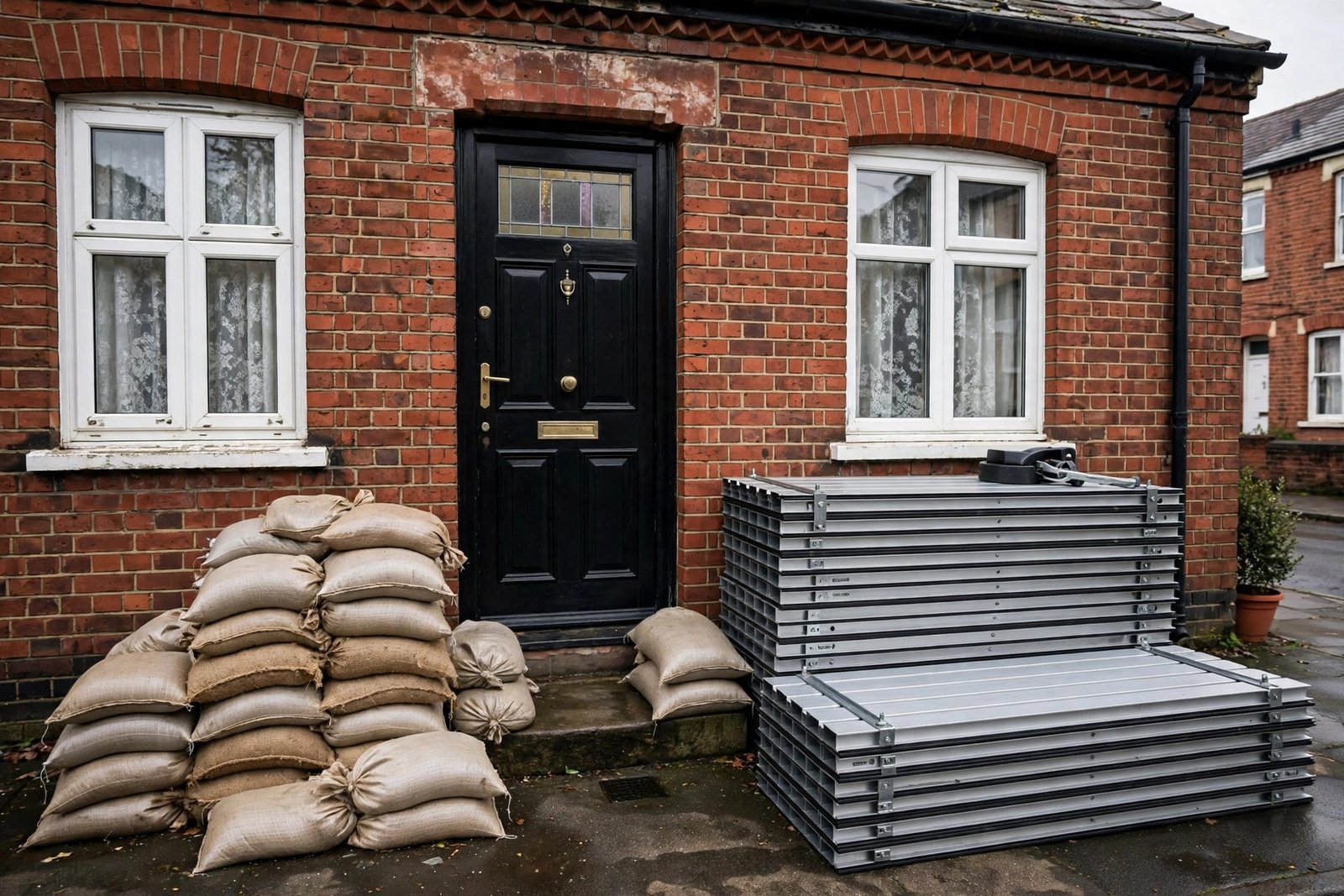
Flooding is the risk most UK homeowners underestimate. Around one in six properties in England faces some flood risk, and winter storms are becoming more severe. Check your property free on the government’s flood risk service, sign up for Environment Agency flood warnings, and if you are in a high-risk area, know that the Flood Re scheme (a joint government and insurer initiative) keeps flood cover affordable by letting insurers pass the flood element of high-risk policies to a central fund. Some insurers also offer Build Back Better, which can fund up to £10,000 of resilient repairs beyond standard reinstatement after a flood.
The table below summarises the practical protections worth putting in place.
| Protection measure | What it does | Typical UK cost |
|---|---|---|
| Buildings and contents insurance | Covers structure and belongings against fire, flood, storm, theft and water damage | £150 to £400 per year combined |
| Flood barriers and air brick covers | Removable defences that keep surface water out of doors, vents and air bricks | £30 to £200 |
| BS 3621 mortice locks | Five-lever locks meeting the British Standard many insurers require on external doors | £100 to £200 fitted per door |
| Smoke and heat alarms | Early warning of fire; a legal requirement in rented homes in England | £15 to £40 each |
| Home emergency cover | 24-hour callout for burst pipes, boiler breakdowns and lockouts | £50 to £150 per year as an add-on |
| Flood kit | Torch, batteries, insurance policy details, phone charger and waterproof document bag kept upstairs | Under £50 to assemble |
Two habits cost nothing and prevent the most common claims. First, photograph your valuables and store the images somewhere off-site, such as cloud storage, so you can evidence a claim. Second, before winter, clear gutters, check roof tiles and secure anything in the garden that a named storm could turn into a projectile. Insurers can reduce or refuse payouts where damage follows clear neglect, so basic maintenance is part of your protection, not just your to-do list.
Frequently Asked Questions
What type of home insurance do I need in the UK?
You need buildings insurance for the structure itself, which mortgage lenders require, and contents insurance for your belongings. Buying both from one insurer as a combined policy is usually cheaper and avoids gaps between the two covers.
Does UK home insurance cover flooding?
Most standard UK buildings and contents policies include flood cover. If your home is in a high-risk area, the Flood Re scheme helps keep that cover affordable by letting insurers pass the flood risk to a central fund.
How do I check if my home is at flood risk?
Use the government’s free flood risk service to check your property’s long-term flood risk, and sign up for Environment Agency flood warnings for your area. Estate agents and local councils can also provide flood history for a property.
Do UK insurers require specific door locks?
Many UK insurers require external doors to have locks meeting British Standard BS 3621, typically a five-lever mortice deadlock. Fitting non-compliant locks can invalidate a theft claim, so check your policy wording.
What is home emergency cover?
An optional add-on to home insurance that provides a 24-hour helpline and emergency callout for problems like burst pipes, boiler breakdowns, blocked drains and lost keys. It typically costs £50 to £150 per year.
What should be in a UK flood kit?
A torch and batteries, your insurance policy details, a mobile phone charger, rubber gloves, bottled water, a first aid kit and waterproof bags for documents. Keep the kit upstairs so it stays dry if the ground floor floods.
Related Guides
About the Author