Fire Risk Assessment: How to Identify and Reduce Fire Hazards
Fire safety is one of the most important responsibilities for anyone managing or owning a property. Fires can start suddenly and spread quickly, causing damage to property, endangering lives, and disrupting businesses. Buildings contain electrical equipment, flammable materials, heating systems, and cooking appliances that may increase the risk of fire if not managed properly.
A Fire Risk Assessment is an essential tool for identifying potential fire hazards and evaluating the effectiveness of existing safety measures. This assessment provides property owners with clear guidance on steps that can improve safety and ensure compliance with regulations.
In this guide, we explore what a Fire Risk Assessment involves, the key hazards it identifies, and practical ways to reduce risks in both residential and commercial properties, alongside related landlord obligations such as an EICR and gas safety certificate.
What a Fire Risk Assessment Involves
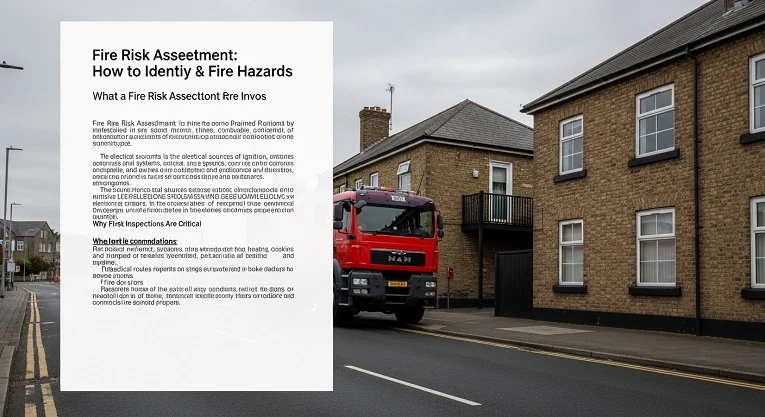
A Fire Risk Assessment is a structured evaluation conducted by a trained professional. The goal is to detect potential sources of ignition, combustible materials, and any obstacles that could hinder evacuation during an emergency.
During the assessment, the inspector examines electrical systems, heating units, cooking appliances, and any other potential fire sources. The condition of escape routes, fire alarms, smoke detectors, fire doors, and emergency lighting is also evaluated.
The assessor then prepares a detailed report outlining the hazards, the level of risk, and recommendations to improve fire safety. This document provides a clear roadmap for addressing fire risks in a property.
Why Fire Safety Inspections Are Critical
Fire inspections help protect occupants and property by identifying risks before they escalate into a serious incident. Fires can result from faulty wiring, overloaded circuits, heating equipment failures, unattended appliances, and improperly stored flammable materials.
Regular Fire Risk Assessments allow property owners to proactively address these hazards. Identifying risks early can prevent injuries, reduce property damage, and save lives.
Fire inspections also ensure that buildings comply with legal requirements. Many regions mandate that landlords, commercial property owners, and building managers conduct regular fire safety reviews to meet safety regulations.
Buildings That Require Fire Risk Assessments
Fire Risk Assessments are important for a wide range of property types:
- Residential Buildings: Apartment complexes, rental properties, and shared accommodations must maintain clear evacuation routes and functional fire safety systems.
- Commercial Buildings: Offices, shops, warehouses, and factories contain equipment and materials that increase fire risks. Regular inspections ensure employee safety and reduce liability.
- Hotels and Restaurants: High-occupancy areas with cooking facilities or large crowds require robust fire prevention measures.
- Homeowners: Even private homes benefit from a fire safety review to verify smoke detectors, alarms, and emergency plans.
By conducting assessments, property owners can understand potential hazards and maintain a safe environment for all occupants.
Common Fire Hazards Identified During Inspections
Fire Risk Assessments often reveal hazards that may otherwise go unnoticed:
- Electrical faults: Overloaded outlets, damaged wiring, or loose connections can generate sparks.
- Blocked escape routes: Furniture or storage items in hallways and staircases can delay evacuation.
- Flammable material storage: Improperly stored paper, chemicals, or textiles increases fire potential.
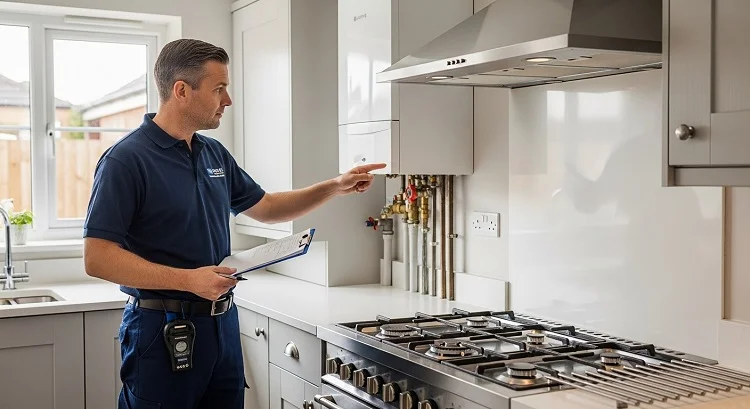
- Faulty heating or cooking equipment: Boilers, heaters, and stoves require proper maintenance to reduce fire risks.
Identifying these hazards helps building owners take corrective action before an incident occurs.
Fire Safety Equipment That Protects Buildings
Proper equipment is essential to prevent fires from spreading and to protect occupants:
- Smoke detectors and alarms: Provide early warning of fire and smoke, and pair well with a wider home security system for overall property protection.
- Fire extinguishers: Allow occupants to manage small fires before they spread.
- Emergency lighting: Ensures safe exit if power is lost.
- Fire doors: Contain flames and smoke within specific areas.
A Fire Risk Assessment ensures that all equipment is installed correctly, functional, and maintained regularly.
Steps to Reduce Fire Risks in Your Property
Reducing fire hazards involves both physical measures and planning:
- Keep escape routes clear and well-lit.
- Regularly inspect and maintain electrical equipment.
- Store flammable materials safely away from ignition sources.
- Test smoke alarms and fire detection systems regularly.
- Train staff or occupants on evacuation procedures and fire safety plans.
These practical steps minimize risk and improve readiness in the event of a fire emergency.
How Often Should a Fire Risk Assessment Be Conducted
Fire conditions can change over time as buildings age, equipment is added, or occupancy changes. Regular assessments help ensure safety systems remain effective.
- Residential properties: Typically, once a year or whenever major renovations occur.
- Commercial buildings: Annual inspections are recommended, but high-risk facilities may need more frequent reviews.
- High-risk areas: Kitchens, workshops, or storage facilities should be evaluated more often.
Regular Fire Risk Assessments help maintain compliance with regulations and keep occupants safe.
Preparing for a Fire Safety Inspection
Preparation makes inspections more effective:
- Ensure smoke detectors and fire alarms are functioning.
- Verify that fire extinguishers are accessible and inspected.
- Keep escape routes clear and mark exits visibly.
- Review evacuation procedures with residents or employees.
These steps allow inspectors to focus on identifying risks and providing actionable recommendations.
Benefits of Conducting Fire Risk Assessments
A Fire Risk Assessment benefits both property owners and occupants:
- Reduces the likelihood of fires starting or spreading.
- Protects human life and reduces property damage.
- Ensures legal compliance for landlords and businesses.
- Improves emergency preparedness and response.
Routine assessments create a safer environment and provide peace of mind for all building users.
Conclusion
Fire prevention requires ongoing attention, maintenance, and awareness. A Fire Risk Assessment helps property owners identify hazards, evaluate existing safety measures, and implement improvements. By addressing risks proactively, building managers, landlords, and homeowners can reduce fire incidents, protect lives, and maintain safe, compliant buildings.
Fire safety is an ongoing responsibility, and regular inspections combined with proper safety measures are key to managing this risk effectively.
Related Guides
- EICR Cost UK: Complete Price Breakdown Guide
- Gas Safety Certificate
- Home Security Systems: Complete Guide
About the Author