New Boiler Cost UK (2026): Replacement Prices by Type
Quick Answer: How Much Does a New Boiler Cost?
A new boiler in the UK typically costs £2,000 to £3,500 fully installed for a straightforward like-for-like replacement in 2026. The exact figure depends on the type of boiler you choose:
- Combi boiler replacement: around £2,000 to £3,000 for a standard swap, rising to £3,500 for premium models
- System boiler replacement: around £2,500 to £3,500
- Regular (heat-only) boiler replacement: around £2,500 to £4,000, because cylinders, tanks and controls often need work at the same time
- Changing boiler type (a conversion): around £3,000 to £6,000 or more
- Oil boiler replacement: around £2,500 to £5,000, as oil appliances and their installation cost more
One large installer, Heatable, has published its own quote data showing a median price of £2,300 for a standard combi replacement in the first half of 2026, with most straightforward swaps quoted between £2,150 and £3,000. Treat the ranges in this guide as planning figures, not quotes. Your price is set by your home, your existing system and how much adaptation work the new boiler needs on day one.
If the boiler is one part of a bigger project, it helps to place it in the whole budget first. Our guide to home renovation costs in the UK shows where heating sits alongside kitchens, bathrooms and extensions.
New Boiler Cost by Boiler Type
The boiler type you have now, and the type you move to, is the single biggest influence on price. This table separates the three main gas boiler types, plus oil and the low-carbon alternative.
| Boiler type | Typical installed cost (2026) | Best suited to |
|---|---|---|
| Combi (like-for-like swap) | £2,000 to £3,500 | Flats and smaller homes with one bathroom |
| System (like-for-like swap) | £2,500 to £3,500 | Homes keeping a hot water cylinder |
| Regular / heat-only (like-for-like) | £2,500 to £4,000 | Older homes with tanks and a cylinder |
| Oil boiler | £2,500 to £5,000 | Off-grid homes heated by oil |
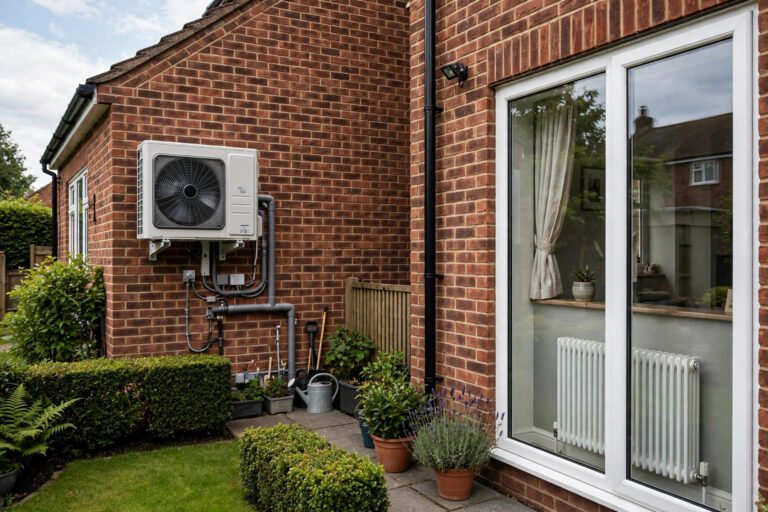
| Air source heat pump (for comparison) | £11,000 to £15,000 before grant | Homes switching away from fossil fuel heating |
The unit itself is only part of that money. A mid-range combi boiler might cost £1,200 to £1,800 to buy, with the rest covering one to two days of labour, the flue, the condensate run, controls, a system cleanse, registration and removal of the old appliance.
What Is Included in an Installed Boiler Price?
Two quotes that look £800 apart often turn out to be pricing different jobs. A complete installed price should include all of the following:
- The boiler unit and its standard flue
- Labour for removal of the old boiler and fitting of the new one
- A system cleanse or flush, and corrosion inhibitor added on refill
- A magnetic filter, which protects the new boiler from sludge in older pipework
- Heating controls that meet the Boiler Plus rules (a programmer, a room thermostat and thermostatic radiator valves, or a smart control)
- The condensate pipe run to a suitable drain
- Building Regulations notification and the commissioning paperwork (the Benchmark form)
- Registration of the boiler warranty with the manufacturer
- Safe disposal of the old boiler
If an item on that list is missing from a cheap quote, it has usually not been forgotten. It has been left out, and it will either appear later as an extra or be skipped, which can affect your warranty. This matters even more during a renovation, when the boiler quote sits next to plastering, flooring and kitchen dates and a half-finished heating job can hold up every trade after it.
Controls deserve a special mention. Upgrading to a smart thermostat at the same time as the boiler is far cheaper than adding one later, because the engineer is already on site and the wiring is already open.
Changing Boiler Type: Conversion Costs
A conversion costs more than a swap because the system around the boiler changes, not just the boiler itself.
| Conversion | Typical installed cost | Extra work involved |
|---|---|---|
| Regular boiler to combi | Around £4,000 | Removing the hot water cylinder and loft tanks, re-routing pipework |
| System boiler to combi | Around £4,000 | Cylinder removal and pipework changes |
| Back boiler to combi | £3,500 to £5,000 | Fireplace and flue work on top of the conversion |
| Combi to system | £3,000 to £6,000 | New cylinder installation and controls |
Before you pay conversion money, be sure the new type suits your home. A combi heats water on demand and works well where hot water use is modest and mains pressure is decent. A system boiler stores hot water in a cylinder, so two showers can run at once without the flow dropping. Choosing the wrong type is a more expensive mistake than any single quote difference, and it cannot be fixed cheaply afterwards.
How Much Does It Cost to Move a Boiler?
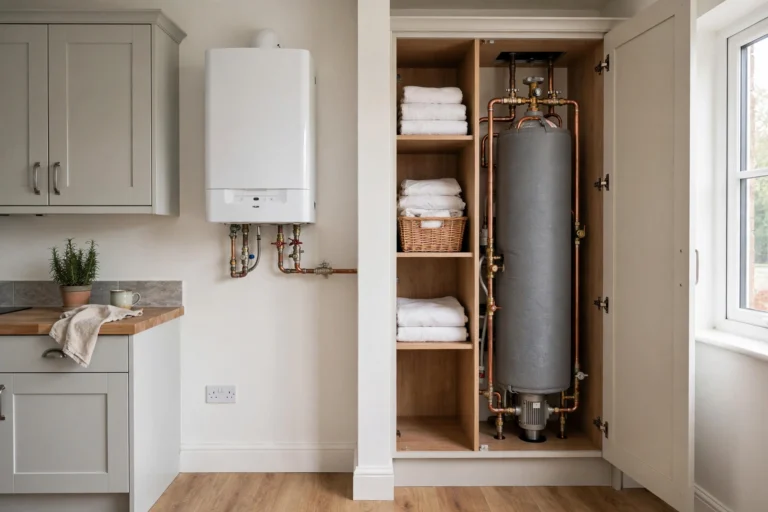
Relocating a boiler, for example from a kitchen to an airing cupboard, a loft or a garage during a renovation, usually adds £500 to £1,500 to a replacement price. The extra cost is the new flue route, longer pipe runs for gas, water and condensate, and the making good afterwards. A long or awkward flue run can push the figure higher, and a loft move may also need a fixed ladder, boarding and a light to meet safe access expectations for servicing. Moving a boiler rarely saves money on its own. It makes sense when it frees valuable kitchen space or is part of a layout change you are already paying for.
What Pushes a Boiler Quote Up or Down?
- Boiler output (kW). Bigger homes need bigger boilers, and bigger boilers cost more. Oversizing wastes money twice, at purchase and in less efficient running, so the size should be calculated from your radiators and hot water demand, not guessed.
- Brand and warranty. Premium brands cost more but commonly offer warranties of up to 10 years when fitted by an accredited installer and serviced annually. A budget boiler with a short warranty can be the dearer choice over ten years.
- Flue position. A flue that needs scaffolding, a long extension or a new hole through a roof costs more than a simple swap through the same opening.
- Pipework condition. Old, sludged or oddly sized pipework may need a power flush, new sections or extra filtration before an installer will fit a new boiler to it.
- Controls. Smart controls and full thermostatic radiator valves add cost now and save argument with the Boiler Plus rules later.
- Location. Labour rates in London and the South East sit above the national pattern, as they do for most trades.
- Timing. A planned replacement in summer is easier to book and sometimes keener priced than an emergency replacement in January, when every installer is busy and you have no heating while you decide.
Boiler Brands and Price Bands
Installers tend to quote in three bands, and the same banding appeared across the price guides checked for this article:
- Budget (unit roughly £600 to £1,200): Ideal, Baxi and similar value ranges. Sensible boilers, shorter standard warranties.
- Mid-range (unit roughly £1,200 to £1,800): the most common choice in UK homes, balancing price, parts availability and warranty length.
- Premium (unit roughly £1,800 to £2,500): Worcester Bosch, Vaillant and Viessmann sit in or near this band, with the longest warranties when fitted by approved installers.
Brand matters less than fit and installation quality. A mid-range boiler, correctly sized and properly installed on a clean system, will usually outlast a premium boiler thrown onto dirty pipework. Most installers are accredited with one or two brands, which is also where their best warranty terms come from, so ask which brands your installer can offer the longest cover on.
Will a New Boiler Cut Your Energy Bills?
A modern condensing boiler is more efficient than a boiler that is 10 to 15 years old, especially if the old one is a non-condensing model. The saving depends on how inefficient the old boiler was, how you heat your home and what you pay for gas, so treat any exact savings figure with caution. The honest version is this: the worse your current boiler, the more you stand to save, and the controls you fit alongside it often make as much difference as the boiler itself.
A new boiler can also lift your home’s energy rating, which matters if you plan to sell or let the property. Our EPC rating guide explains how heating affects the score and what the rating means in practice.
Grants and Cheaper Routes to a New Heating System
- ECO4. If your household receives qualifying benefits and your home has a poor EPC rating, you may be able to get a boiler or other heating upgrade fully funded under the ECO4 scheme. It is always worth checking eligibility before paying privately. Our ECO4 grant guide explains who qualifies and how to apply.
- Boiler Upgrade Scheme. This scheme does not pay for a gas or oil boiler. It pays £7,500 towards an air source or ground source heat pump in England and Wales, rising to £9,000 for off-grid homes replacing oil or LPG heating until March 2027. If your boiler is at the end of its life anyway, it is the right moment to at least price a heat pump with the grant applied, because the gap between a heat pump and a new boiler is smaller at replacement time than at any other.
- Finance. Many national installers offer monthly finance. Compare the total amount repayable, not the monthly figure, and compare it against at least one local installer’s fixed quote.
Repair or Replace? How to Decide
Replace rather than repair when most of the following are true:
- The boiler is more than 10 to 12 years old
- The repair involves a major part, such as the heat exchanger or the circuit board, on an ageing boiler
- Breakdowns are becoming frequent (two or more in a year is a warning sign)
- Parts are getting hard to source for your model
- You are renovating anyway, and the heating system is being disturbed
Repair makes more sense when the boiler is relatively young, the fault is a known inexpensive part, and the boiler has a good service history. Whichever route you take, keep up with annual servicing. It protects most manufacturer warranties and it keeps the boiler safe. Landlords have separate legal duties here, covered in our guide to the gas safety certificate process.
How Long Does a Boiler Replacement Take?
A like-for-like swap is usually completed in one day, occasionally running into a second. A conversion normally takes two days, and a relocation or a back boiler conversion can take two to three days. Allow extra time if radiators or pipework are being changed as part of the same job. In a renovation, book the boiler work before final finishes. Nobody wants a freshly plastered wall opened up for a flue.
Choosing an Installer and Checking a Quote
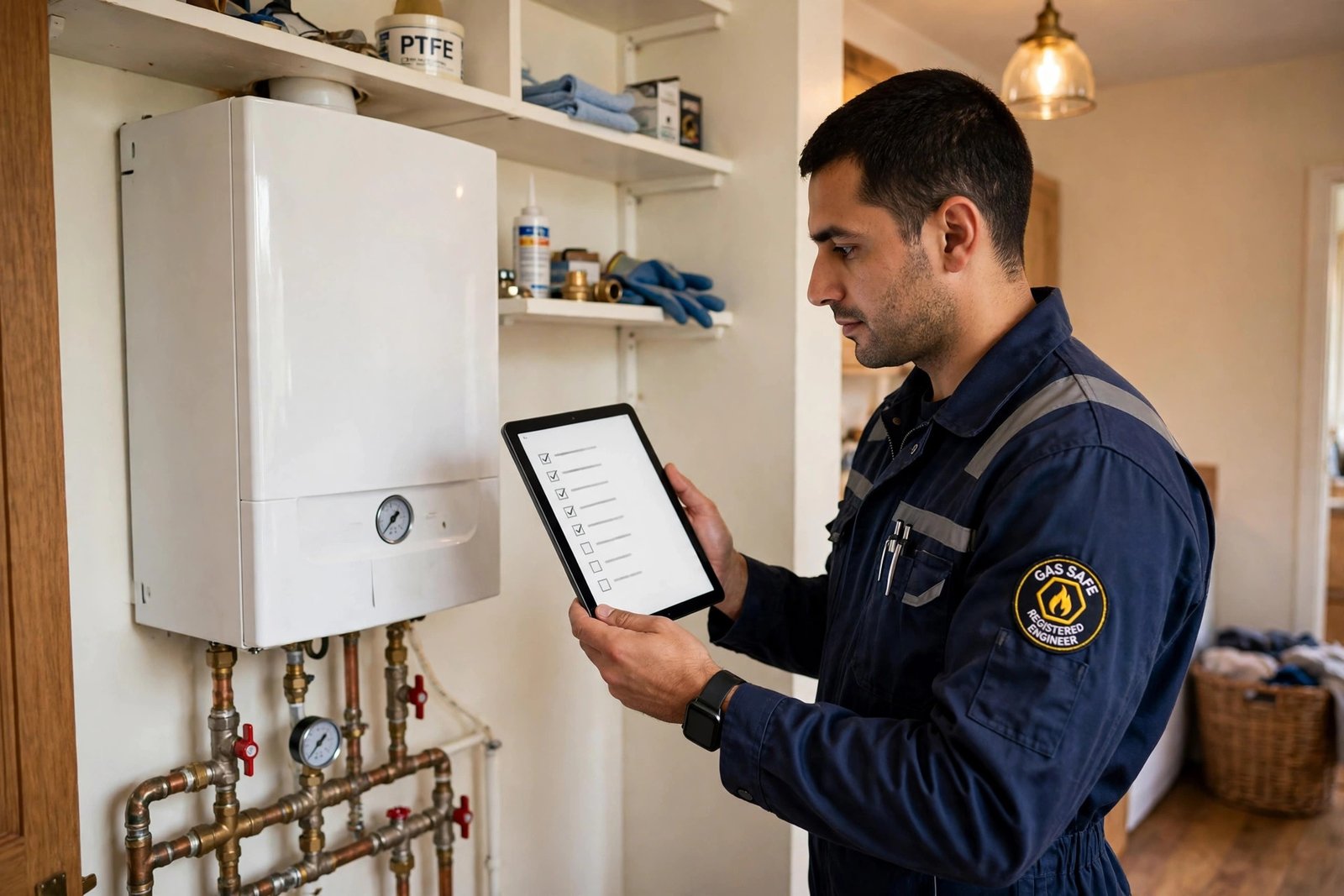
A boiler must be fitted by a Gas Safe registered engineer. For oil, the equivalent scheme is OFTEC. Before you accept a quote, check:
- The engineer’s Gas Safe ID and that the company is registered for domestic boiler work
- That the quote is fixed and itemised, and states the exact boiler model and output
- What the quote includes against the list in this guide (flush, filter, controls, flue, disposal, warranty registration)
- The warranty length, and what you must do to keep it valid (usually an annual service)
- How long the job will take and who makes good afterwards
- That you will receive the Benchmark commissioning form and the Building Regulations compliance certificate
Get at least two, ideally three, itemised quotes. Compare them line by line rather than by the headline figure. The cheapest headline quote is often simply the one with the most missing lines.
New Boiler Cost FAQs
How much does a combi boiler cost fitted in 2026?
A standard combi boiler replacement typically costs £2,000 to £3,000 supplied and fitted, rising to around £3,500 for premium models or more complex installations. Published installer quote data puts the median for a straightforward combi swap at about £2,300.
How much is a boiler service in the UK?
An annual boiler service typically costs around £80 to £120. It is a condition of most manufacturer warranties and the right time to catch small problems before they become breakdowns.
Can I get a free boiler?
Some households can. Under ECO4, eligible households on qualifying benefits, living in homes with low EPC ratings, may receive a funded boiler or heating upgrade. Eligibility is specific, so check the criteria before assuming either way.
How long should a new boiler last?
A well maintained modern boiler should last around 10 to 15 years. Annual servicing, a clean system with inhibitor, and a magnetic filter all help it reach the top of that range.
Do I need a smart thermostat with a new boiler?
Under the Boiler Plus rules, a new installation must include controls that improve efficiency, such as a smart thermostat or other load or weather compensation. Your installer should include compliant controls in the quote rather than offering them as an optional extra.
Is a heat pump cheaper than a new boiler now?
Before grants, no. A heat pump typically costs £11,000 to £15,000 installed against £2,000 to £3,500 for a boiler. After the £7,500 Boiler Upgrade Scheme grant, the gap narrows a great deal, which is why replacement time is the right time to compare the two properly.
Can I replace my own boiler?
No. Gas boiler installation must be carried out by a Gas Safe registered engineer, and the installation must be notified under Building Regulations. This is not a DIY job at any level of confidence.
About the Author