Ensuring gas safety in residential and commercial properties is a responsibility that cannot be overlooked. Faulty gas appliances, leaks, and improper installations can lead to fires, explosions, or carbon monoxide poisoning. For property owners and landlords, obtaining a Gas Safety Certificate is not just a legal requirement but also a critical safety measure.
A Gas Safety Certificate is issued by a qualified gas engineer after inspecting all gas appliances and systems in a property. It confirms that the equipment is safe to use and compliant with legal standards, alongside other landlord obligations such as an EICR. This article provides a detailed, step-by-step guide for property owners to obtain and maintain a Gas Safety Certificate.
Step 1: Identify Properties with Gas Appliances
The first step is to determine which properties or units require a Gas Safety Certificate. Any property with gas appliances, including boilers, cookers, heaters, and pipework, must be inspected. This applies to:
- Rental properties
- Residential homes
- Commercial spaces using gas equipment
Identifying all gas appliances ensures a thorough inspection and compliance with regulations.
Step 2: Hire a Registered Gas Engineer
Only a Gas Safe registered engineer can legally issue a Gas Safety Certificate. Property owners should verify the engineer’s credentials and confirm their registration. Hiring a certified professional ensures the inspection is valid and recognized by law.
Certified engineers are trained to detect issues such as:
- Gas leaks
- Faulty pipe connections
- Blocked flues and ventilation problems
- Malfunctioning appliances
Step 3: Schedule the Gas Safety Inspection
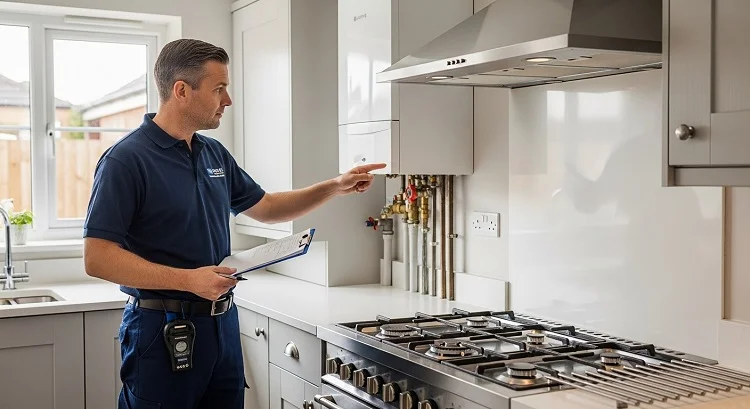
Arrange a convenient time for the engineer to inspect all gas appliances and systems. The inspection usually involves:
- Testing each appliance for safe operation
- Checking pipework and fittings for leaks or damage
- Ensuring flues and vents are clear and properly installed
- Verifying carbon monoxide detectors are functional
Proper scheduling helps ensure the inspection is comprehensive.
Step 4: Conduct Safety Checks
During the inspection, the engineer performs several safety checks:
- Visual inspection: Looking for obvious damage or wear
- Gas leak detection: Using specialized equipment to identify leaks
- Flue and ventilation inspection: Ensuring safe discharge of gases
- Appliance testing: Verifying that each appliance operates correctly and safely
Any issues identified will be recorded in the inspection report.
Step 5: Receive the Gas Safety Certificate
If all appliances and systems meet safety standards, the engineer issues the Gas Safety Certificate. The certificate includes:
- Details of each inspected appliance
- Engineer’s registration number
- Date of inspection
- Notes on any defects or repairs
- Confirmation that the property meets legal safety standards
Property owners should provide a copy of the certificate to tenants and keep the original for records.
Step 6: Address Identified Issues
If the inspection identifies defects or hazards, these must be repaired promptly. Common issues include:
- Gas leaks or damaged pipework
- Blocked flues
- Faulty or outdated appliances
- Poor ventilation or missing carbon monoxide detectors
Repairs must be completed by a registered engineer to ensure the certificate remains valid and the property is safe.
Step 7: Maintain Ongoing Compliance
Gas safety is an ongoing responsibility. Property owners should:
- Schedule annual inspections for all rental properties
- Keep a record of all certificates and inspections
- Educate tenants on safe use of gas appliances
- Test carbon monoxide detectors regularly
Ongoing compliance reduces the risk of accidents and ensures legal obligations are met.
Common Mistakes Property Owners Make
Some landlords and property managers fail to maintain gas safety because of:
- Delaying annual inspections
- Using unregistered or uncertified engineers
- Neglecting minor appliance faults
- Failing to provide tenants with copies of the certificate
Avoiding these mistakes ensures tenants are safe and compliance is maintained.
Benefits of Following the Gas Safety Certificate Process
Obtaining and maintaining a Gas Safety Certificate provides several benefits:
- Confirms appliances are safe and functional
- Protects tenants from gas-related hazards
- Demonstrates legal compliance for landlords
- Reduces liability in case of accidents
- Maintains property insurance coverage
Prioritizing gas safety through proper inspections safeguards both occupants and property owners.
Tips for Smooth Gas Safety Inspections
- Keep appliances accessible for inspection
- Ensure flues and vents are unobstructed
- Maintain a log of previous inspections and certificates
- Schedule inspections in advance to avoid delays
- Communicate with tenants about the inspection process
These tips make inspections more efficient and ensure all safety checks are completed.
Conclusion
A Gas Safety Certificate is an essential requirement for property owners and landlords. By following a clear, step-by-step process, property owners can ensure all gas appliances are safe, legal requirements are met, and tenants are protected. Hiring certified engineers, addressing defects promptly, and maintaining records are critical for ongoing gas safety.
Proactive management of gas safety ensures peace of mind, reduces risk, and demonstrates responsible property ownership.
Related Guides
About the Author