How Much Does Shower Pump Installation Cost?
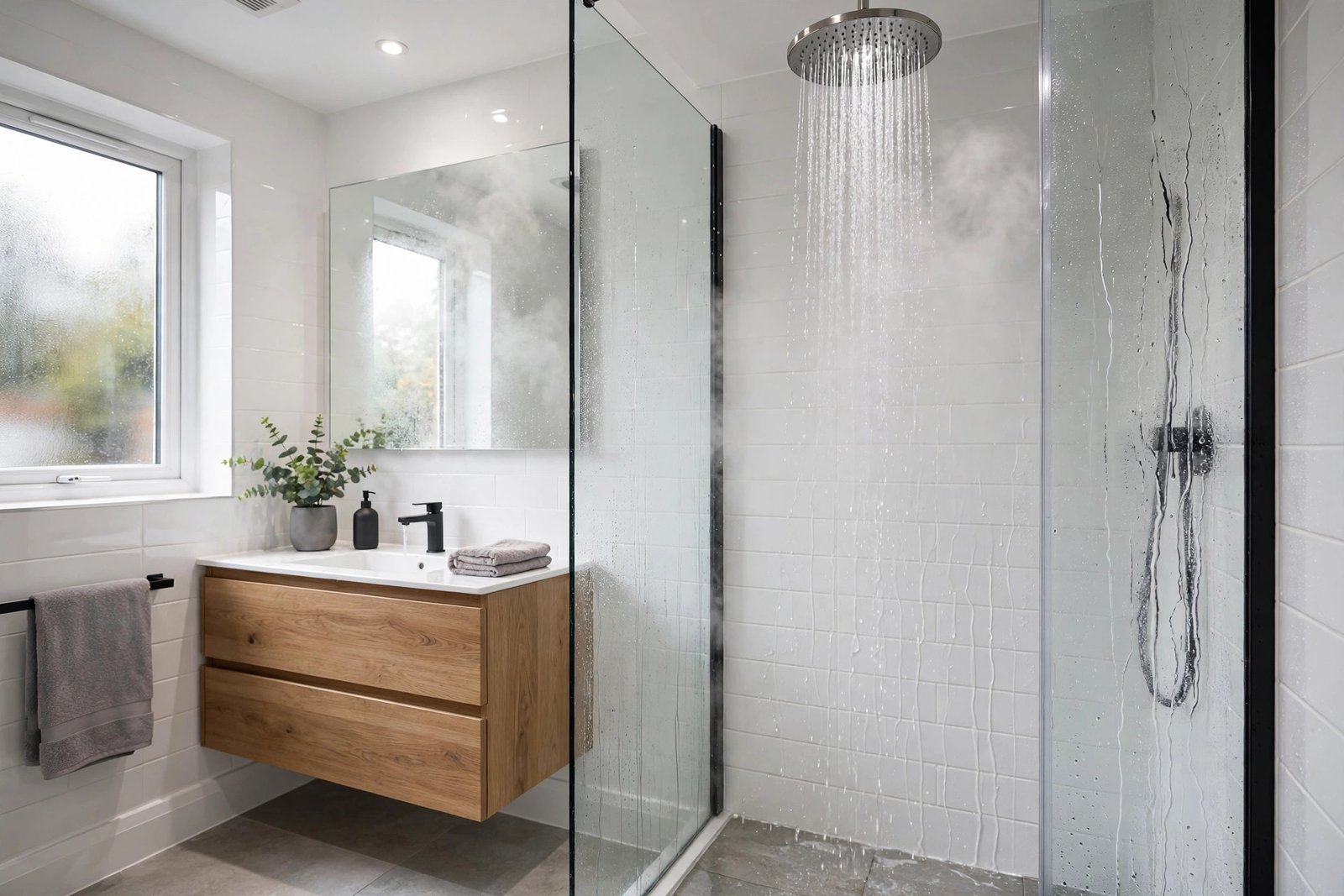
Shower pump installation typically costs £250 to £500 supplied and fitted in the UK. The pump unit itself costs £120 to £300 depending on type and brand, and a plumber charges £100 to £200 for fitting. A straightforward like-for-like replacement sits at the lower end; a first-time install with new pipework sits at the higher end.
| Job type | Typical total |
|---|---|
| Pump unit only (supply) | £120 to £300 |
| Labour: like-for-like replacement (half day) | £100 to £150 |
| Labour: first-time install (full day) | £150 to £200 |
| Supplied and fitted: replacement | £250 to £400 |
| Supplied and fitted: new install | £350 to £500 |
Shower Pump Prices by Type and Brand
| Pump type | Typical unit price | Best for |
|---|---|---|
| Single impeller (1.5 bar) | £120 to £180 | Boosting hot water only to one shower |
| Twin impeller (1.5 to 2 bar) | £160 to £250 | Hot and cold to a shower or whole bathroom |
| Twin impeller (3 bar+) | £220 to £300 | Multiple outlets, large bathrooms |
Established UK brands (Stuart Turner, Salamander, Grundfos) cost more than budget imports but offer longer guarantees and quieter running. Do not oversize: a bigger bar rating is not automatically better, and excessive pressure can damage mixer showers and flexible hoses.
Will a Shower Pump Work in Your Home? The System Check
Before spending anything, confirm your system is compatible. Shower pumps only work with gravity-fed systems (a cold water tank in the loft feeding a hot water cylinder).
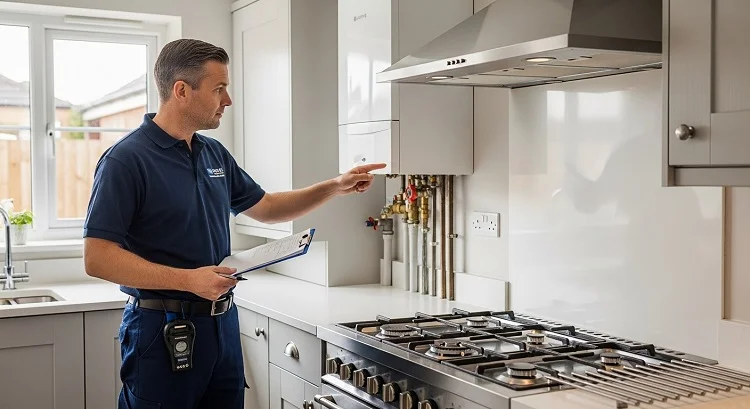
- Combi boiler? No pump needed, and none can be fitted. Combi boilers deliver mains-pressure hot water already; a pump cannot be added and would be illegal on the mains side.
- Unvented (pressurised) cylinder? No pump needed. These already run at mains pressure.
- Gravity-fed with tank and cylinder? Yes. This is the classic pump candidate.
The 600mm rule: positive vs negative head
Measure from the bottom of your cold water tank to the shower head. If the drop is 600mm or more, you need a positive head pump (cheaper, more common). If less than 600mm, you need a negative head (universal) pump, which costs more. Getting this wrong is the most common buying mistake.
Single vs Twin Impeller: Which Do You Need?
Twin impeller pumps boost hot and cold together and suit most mixer showers: balanced pressure is what gives a good shower. Single impeller pumps boost one supply only, useful where only the hot is weak (for example, an electric shower fed cold from the mains with a weak hot feed). When in doubt, twin is the safer choice for mixer showers.
Installation: DIY or Plumber? (Part P)
The plumbing side is manageable for competent DIYers, but shower pumps need a fused electrical spur, which falls under Part P of the Building Regulations in England and Wales. In practice, most homeowners use a plumber or electrician for the whole job. Expect the pump sited in the airing cupboard near the cylinder, with anti-vibration feet to limit noise transmission.
Noise: What to Expect
All shower pumps make some noise. Budget pumps are noticeably louder; premium models (Stuart Turner Monsoon range, for example) are engineered for quiet running. Site the pump on a concrete base or anti-vibration mat, never directly on floorboards above a bedroom, and flexible hoses cut vibration transfer dramatically.
Is Your Quote Fair? Checklist
- Is the unit price itemised separately from labour?
- Has the installer confirmed positive vs negative head for your setup?
- Does the quote include the fused spur / electrical work?
- Is pipework modification included (first installs often need new feeds)?
- What guarantee comes with the pump (2 to 5 years typical) and the labour?
- Be wary of quotes far below £250 supplied and fitted: corners are being cut somewhere.
Shower Pump FAQs
How much does it cost to fit a shower pump in the UK?
Typically £250 to £500 supplied and fitted: £120 to £300 for the pump plus £100 to £200 labour. Replacements cost less than first-time installs.
Can you fit a shower pump with a combi boiler?
No. Combi boilers already deliver mains-pressure hot water, so a pump serves no purpose and cannot legally be connected to boost mains pressure directly.
What is the difference between positive and negative head pumps?
Positive head pumps need at least 600mm of vertical drop from the cold tank to the shower head. Negative (universal) head pumps work with less drop but cost more.
Single or twin impeller shower pump?
Twin for most mixer showers (balanced hot and cold pressure). Single where only one supply needs boosting.
How long do shower pumps last?
Typically 5 to 10 years. Quality brands last longer; running a pump dry or against closed valves shortens its life sharply.
Are shower pumps noisy?
Budget models can be intrusive. Premium pumps on anti-vibration mountings with flexible hoses are far quieter. Never site one above a bedroom without isolation.
Can I install a shower pump myself?
The plumbing is DIY-able, but the fused spur is notifiable electrical work under Part P. Most homeowners use a professional for the complete job.
Why is my shower pump not working?
Common causes: airlocks after the system was drained, a failed flow switch, or the pump running dry. Bleed the system and check the isolating valves before assuming the pump has failed.
About the Author