Secondary Glazing vs Double Glazing: The Master Comparison
| Secondary glazing | Double glazing (replacement) | |
|---|---|---|
| Typical cost per window | £300 to £800 installed; DIY kits from £150 | £500 to £1,200 installed |
| U-value (heat loss) | Around 2.7 W/m²K | Around 1.4 W/m²K |
| Noise reduction | 45 to 50 dB (acoustic glass) | 30 to 35 dB typical |
| Planning permission | Rarely needed; ideal for listed buildings | Often restricted in conservation areas |
| Installation disruption | Minimal; fitted inside existing frames | Full window replacement |
| Lifespan | 20+ years | 20 to 25 years (sealed units can fail) |
The short answer: double glazing insulates better against heat loss; secondary glazing often wins on noise and is far cheaper and simpler where replacing windows is restricted. Many UK homeowners in period properties choose secondary glazing because it is the only practical option.
Cost Comparison in Detail
Secondary glazing costs
Professionally installed secondary glazing typically costs £300 to £800 per window, depending on size, glass type and frame finish. DIY kits start around £150 per window for straightforward sizes. Acoustic laminated glass sits at the top of the range but transforms noise performance.
Double glazing costs
Full replacement double glazing typically costs £500 to £1,200 per window installed, with bay windows and large openings costing more. Timber frames and heritage-style units push prices higher. Unlike secondary glazing, you are paying for complete new frames as well as glass. See our complete guide to double glazing costs for a full breakdown.
Whole-house perspective
For a typical 3-bed semi with 8 to 10 windows, secondary glazing might total £2,500 to £6,000, while full double glazing replacement runs £4,500 to £10,000+. The gap narrows if your existing frames are rotten and need replacing anyway.
Noise Reduction: The dB Truth
Manufacturers love percentages (“80% quieter!”), which mean little without context. In decibels, the picture is clearer:
| Setup | Typical noise reduction |
|---|---|
| Single glazing alone | Baseline (around 25 dB) |
| Standard double glazing | 30 to 35 dB |
| Secondary glazing (standard glass) | 40 to 45 dB |
| Secondary glazing (acoustic laminate) | 45 to 50 dB+ |
The larger air gap in secondary glazing (typically 100mm+) is why it outperforms double glazing on noise: the wide cavity disrupts sound waves more effectively than the narrow 16 to 20mm gap in sealed double-glazed units. For homes near roads, railways or flight paths, acoustic secondary glazing is the best-performing option short of specialist triple systems.
Thermal Performance: U-Values Explained
Lower U-values mean less heat escaping. Single glazing sits around 5.0 W/m²K (terrible). Secondary glazing brings that to roughly 2.7, while modern double glazing achieves around 1.4. Double glazing clearly wins on warmth, which matters for energy bills: the Energy Saving Trust suggests a typical semi could save around £85 a year upgrading single glazing, with secondary glazing capturing a good share of that saving at lower cost.
Triple Glazing: Where Does It Fit?
Triple glazing (U-value around 0.8) is the step beyond double, but it is rarely the right answer in the UK. It costs 20–40% more than double glazing, the frames must be deeper and stronger to carry the extra weight, and the energy saving over good double glazing is modest in our climate. It makes sense in exposed locations (Scottish Highlands, coastal properties) or for Passivhaus-level new builds. For most retrofit projects, the money is better spent on double glazing plus draught-proofing elsewhere.
Planning, Listed Buildings and Conservation Areas
This is where secondary glazing often becomes the only choice. It is fitted inside the existing window reveal, so it rarely needs planning permission and is widely accepted for listed buildings (with listed building consent advice sought) and conservation areas where uPVC replacements would be refused. If you live in a period property, check with your local conservation officer before assuming replacement is even possible.
DIY vs Professional Installation
DIY secondary glazing kits (£150 to £200 per window) are genuinely viable for confident DIYers: magnetic and compression-fit systems need only basic tools, are removable for cleaning, and suit renters. Professional installation (£300 to £800) buys precise measuring, better seals, acoustic glass options and a guarantee. Double glazing is not a DIY job: it needs FENSA-registered installation for building regulations compliance.
Condensation: The Honest Caveat
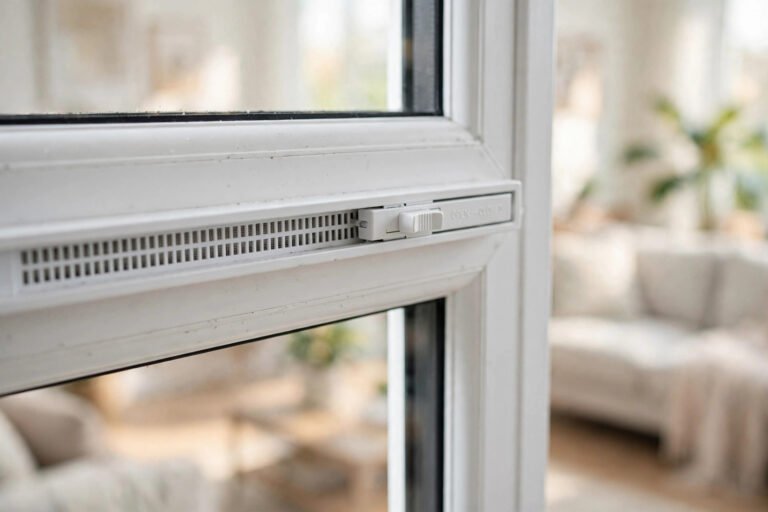
Secondary glazing can trap moist air between the panes, causing condensation on the original window. Prevent it with good seals, ventilation (trickle vents help), and by keeping the cavity accessible for wiping. Well-fitted modern systems with compression seals largely solve this; cheap magnetic kits are more prone to it.
Which Should You Choose?
- Choose secondary glazing if: you live in a listed or period property; noise is your main complaint; budget is tight; you rent; you want minimal disruption.
- Choose double glazing if: your frames are rotten or failing; maximum heat retention is the priority; you are renovating anyway; planning allows it.
- Consider both: some homeowners fit secondary glazing over existing double glazing in the noisiest rooms (bedrooms facing roads) for near-silent results.
Secondary Glazing on Sash Windows: The Period-Property Special
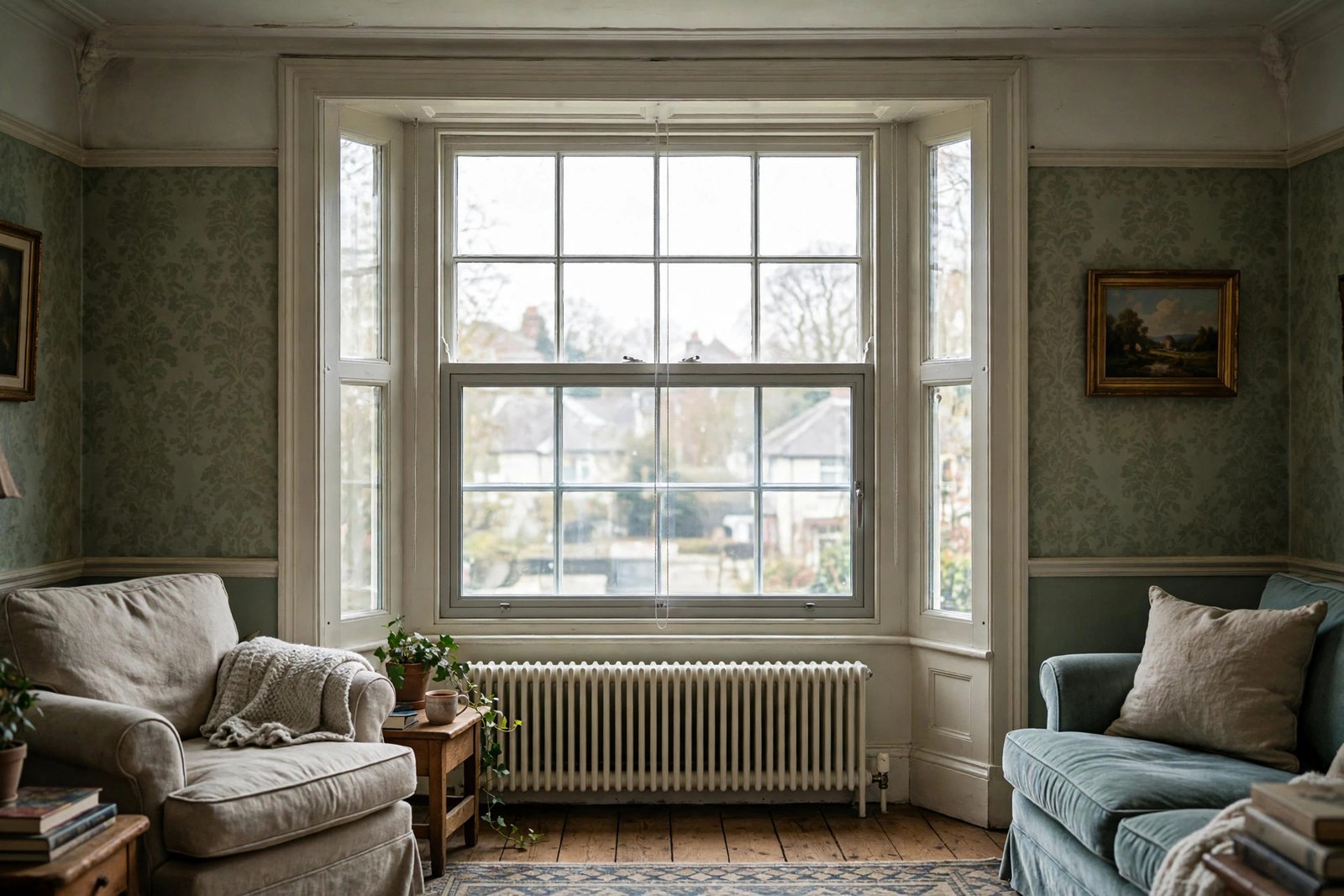
Sash windows are where secondary glazing earns its reputation. Replacing original Victorian or Edwardian sashes with modern units destroys character (and is often refused in conservation areas), while secondary glazing preserves the originals and fixes their two big weaknesses: rattles and draughts. Purpose-made sash secondary systems use slimline frames that follow the sash profile, with brush seals that silence the rattle without stopping the sashes from sliding.
Cost runs £400 to £900 per sash window professionally fitted, the upper end of the secondary range, reflecting the bespoke measuring. If your sashes are also draughty, combine secondary glazing with professional draught-proofing of the original boxes: the pair together can halve a room’s heat loss for less than half the cost of replacement windows. Ask installers to show you a finished sash job locally before committing. The quality of the brush sealing is what separates a silent window from a slightly-less-rattly one. Most specialists offer free surveys for sash work. Take two quotes, because measuring approaches (and therefore prices) vary more than you would expect.
Grants and Funding: What Help Exists?
There is no general UK grant for double glazing in 2026, and secondary glazing has never been grant-funded. The main exception is the ECO4 scheme, which can fund energy-efficiency measures (including glazing in some cases) for low-income households on certain benefits. Eligibility is narrow and assessed by energy suppliers, not applied for directly. The Energy Saving Trust maintains current guidance on what funding exists. Be wary of cold callers offering “free windows” under government schemes: legitimate ECO work never starts with a doorstep pitch.
Measuring and Ordering: Getting It Right First Time
Whether DIY or professional, measurement is where glazing jobs succeed or fail:
- Measure the reveal (the structural opening), not the old frame, in three places for both width and height. Use the smallest.
- Note the depth available: secondary glazing needs 60–100mm of reveal depth depending on the system.
- Photograph every window and mark opening direction; a surprising number of disputes start with “I thought it opened the other way.”
- For listed buildings, agree the specification with the conservation officer before ordering. Bespoke acoustic units are non-returnable.
Regional Price Differences
Window fitting follows the familiar curve: London and the South East 15–25% above national figures, the Midlands around average, the North, Scotland and Wales 10–15% below. On a £6,000 whole-house secondary glazing job, expect roughly £4,800 in the North East versus £7,200+ in London. DIY kits, being mail-order, cost the same everywhere, one reason they appeal outside the South East.
How We Researched These Prices
Figures in this guide were compiled in October 2026 from UK trade pricing guides, glazing installer quote data and manufacturer price lists, then cross-checked across multiple sources for consistency. Prices are guides for budgeting, not quotes. Always get itemised written quotes from at least three local installers before committing. Last reviewed: October 2026.
Secondary vs Double Glazing FAQs
Is secondary glazing cheaper than double glazing?
Yes, significantly. Secondary glazing costs £300 to £800 per window installed versus £500 to £1,200 for replacement double glazing, and DIY kits start around £150.
Is secondary glazing as good as double glazing?
It depends what you mean. For noise reduction, secondary glazing is usually better. For heat retention, double glazing wins (U-value around 1.4 vs 2.7).
Does secondary glazing reduce noise?
Dramatically. Acoustic secondary glazing achieves 45 to 50 dB reduction, outperforming standard double glazing at 30 to 35 dB, thanks to the wider air gap.
Do I need planning permission for secondary glazing?
Rarely. Because it fits inside the existing reveal without altering the external appearance, it is widely accepted even in conservation areas and listed buildings (seek advice for listed status).
Can you open windows with secondary glazing?
Yes. Hinged, sliding and lift-out panels all allow access to the original window for ventilation and cleaning.
Does secondary glazing cause condensation?
It can trap moisture between panes. Good compression seals, trickle vents and occasional wiping of the cavity prevent problems.
How long does secondary glazing last?
20+ years. With no sealed unit to fail (unlike double glazing), there is little to go wrong beyond seals and hinges.
Can I install secondary glazing myself?
Yes, magnetic and compression-fit DIY kits suit confident DIYers at £150 to £200 per window. Complex shapes and acoustic glass are better left to professionals.
Is secondary glazing worth it for heat loss?
It roughly halves heat loss versus single glazing (U-value from 5.0 to around 2.7). It will not match modern double glazing, but the saving per pound spent is strong.
Will secondary glazing add value to my house?
In period properties where buyers value original windows plus comfort, yes. Estate agents report it as a genuine selling point in noisy or conservation areas.
About the Author