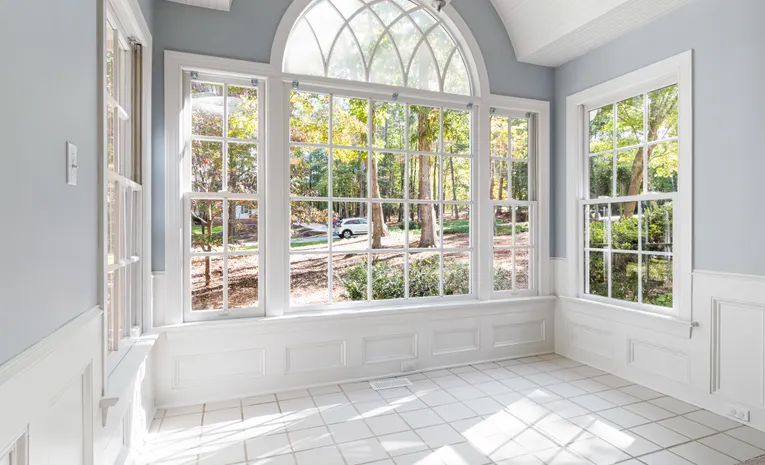
Quick Answer: What Is a Window Board and Do You Need One?
A window board, also called a window sill board internally, is the horizontal shelf like surface fitted along the inside base of a window opening, both finishing the reveal neatly and providing a practical shelf. Most UK windows have an internal window board fitted in MDF, timber, or uPVC, chosen based on budget, moisture exposure, and whether it needs to match existing woodwork.
Types of Window Board Material
MDF Window Boards
MDF window boards are the most common and cost effective option, available pre-primed ready for painting, and suitable for most rooms without significant moisture exposure.
- Cost: £15 to £40 per board depending on length and profile
- Best for: Bedrooms, living rooms, hallways
- Avoid in: Bathrooms and other consistently high moisture rooms, where MDF can swell if not properly sealed
Timber Window Boards
Solid timber window boards offer a more premium, authentic finish, particularly suited to period properties, and can be stained or oiled rather than painted if a natural wood appearance is preferred.
- Cost: £30 to £80 per board depending on wood species and length
- Best for: Period properties, rooms with visible natural woodwork
UPVC Window Sills and Boards
UPVC window boards are fully moisture resistant, making them the practical choice for bathrooms, kitchens, and other high humidity rooms where MDF or timber would be more vulnerable to damage over time.
- Cost: £20 to £50 per board depending on length
- Best for: Bathrooms, kitchens, conservatories
Window Board Profiles Explained
Window boards come in various profile shapes, with bullnose window board, featuring a rounded front edge, being one of the most popular styles for its softer, more traditional appearance compared to a plain square edge board. Ogee and other decorative profiles are also available for period properties wanting a more ornate finish.
How to Measure and Fit a Window Board
- Measure the full width of the window reveal, including any return into the wall depth on either side
- Measure the depth needed, typically extending slightly beyond the wall face for a natural overhang
- Cut the board to length, mitring the corners where the board meets a window reveal return
- Fix the board using a suitable adhesive, screws, or a combination of both depending on the substrate
- Fill any gaps at the wall junction and finish with sealant along the join for a neat, weatherproof finish
Window Board Comparison Table
| Material | Cost | Moisture Resistance | Best Rooms |
|---|---|---|---|
| MDF | £15 to £40 | Low, needs sealing | Bedrooms, living rooms |
| Timber | £30 to £80 | Moderate, needs finishing | Period properties |
| uPVC | £20 to £50 | Excellent | Bathrooms, kitchens |
Replacing an Old or Damaged Window Board
Signs a window board needs replacing include visible swelling or crumbling in MDF boards exposed to moisture, cracking in timber boards, or discolouration that will not clean away. Replacement generally involves removing the old board carefully to avoid damaging the surrounding wall or window frame, then fitting and finishing a new board following the same measuring process as a new installation.
Protecting Window Boards From Condensation Damage
Condensation is the biggest enemy of internal window boards in UK homes. When warm, moist indoor air meets the cold surface of a window, water droplets form and run down onto the board below. Left sitting there day after day through winter, this water swells MDF boards, lifts paint, and encourages the black mould that appears as spots along the back edge where the board meets the frame.
The table below shows the most effective ways to protect window boards, from daily habits to material choices.
| Protection method | What it does | Cost |
|---|---|---|
| Wipe boards each morning | Removes pooled water before it soaks in | Free |
| Keep trickle vents open | Lets moist air escape instead of condensing | Free |
| Use extractor fans in kitchens and bathrooms | Removes steam at source before it reaches windows | £100 to £250 fitted |
| Seal MDF edges and joints | Stops water reaching the absorbent core | Under £10 for sealant |
| Switch to uPVC boards in wet rooms | Removes the moisture problem entirely | £20 to £50 per board |
The single most effective habit is also the simplest: wipe down windows and boards every morning during cold weather, and wring the cloth out rather than drying it on a radiator, which just puts the moisture back into the room air. Condensation channels or sponge strips fitted along the bottom of the window frame can also catch runoff before it reaches the board.
If black mould has already appeared, treat it with a fungicidal wash rather than plain bleach, wearing gloves and a mask, then address the moisture cause so it does not return. Where an MDF board has swollen or crumbled, replacement is usually better than repair: fit the new board with all cut edges sealed, and consider uPVC for any room where condensation is a regular winter problem.

External Window Sills vs Internal Window Boards
It is worth distinguishing between the external window sill, typically stone, concrete, or uPVC, designed to direct rainwater away from the wall below, and the internal window board covered in this guide, which serves a primarily aesthetic and practical shelf function inside the room. See our types of windows guide for how sill design varies by style. Both are important but serve quite different purposes and are usually addressed separately.
Frequently Asked Questions
What is the difference between a window sill and a window board?
In UK usage, window sill often refers to the external, weather facing ledge, while window board refers to the internal finishing piece, though the terms are sometimes used interchangeably, particularly for the internal surface.
Can you paint a uPVC window board?
Yes, with a suitable primer designed for plastic surfaces, uPVC window boards can be painted, though many are supplied in white or a woodgrain finish that does not require painting.
How do you fit a window board around a corner?
Corner joins are typically mitred at a 45 degree angle where two sections of board meet, requiring accurate measuring and cutting for a neat, tight fitting joint.
Do all windows need a window board?
Not strictly, some contemporary window installations finish the reveal flush without a distinct board, but most UK homes include one both for a finished appearance and the practical shelf space it provides.
What is a bullnose window board?
A bullnose window board has a rounded front edge rather than a sharp square edge, giving a softer, more traditional appearance that remains one of the most popular profile choices in UK homes.
Why is there water pooling on my window sills every morning?
This is condensation. Warm, moist indoor air hits the cold window glass overnight, water droplets form and run down onto the board below. It is most common in winter, in bedrooms, and in homes where trickle vents are kept closed.
Can condensation damage a window board?
Yes. Standing water swells MDF boards, lifts paint finishes and encourages black mould along the joints. Timber boards can also suffer over time. uPVC boards are unaffected by moisture, which is why they are recommended for rooms with regular condensation.
How do I remove black mould from a window board?
Wipe the area with a fungicidal wash following the manufacturer’s instructions, wearing gloves and a mask, and dispose of cloths immediately. Then fix the moisture cause, such as closed trickle vents or missing extraction, or the mould will return.
Should I replace a swollen MDF window board or repair it?
Replace it. Once MDF has swollen, it never returns to its original shape and the damaged core keeps absorbing moisture. Fit the new board with sealed edges, and consider uPVC if the room regularly suffers condensation.
Do trickle vents really help with condensation on sills?
Yes. Trickle vents provide constant background ventilation that lets moist air escape, reducing the amount of water condensing on cold glass overnight. Keeping them open through winter noticeably reduces morning pooling on window boards.
Expert Insight
Joiners commonly recommend uPVC window boards for any room with regular condensation, such as bathrooms or poorly ventilated bedrooms, since even well sealed MDF can eventually suffer swelling from repeated moisture exposure that a uPVC board simply will not experience.
Final Thoughts
Choosing the right window board material for each room’s moisture level, alongside a profile that suits your property’s style, will give a durable, good looking finish to any window installation. MDF remains the practical default for dry rooms, while uPVC is worth the switch wherever consistent moisture is a factor.
Replacing or fitting new window boards? Measure twice and account for the full reveal depth including any wall return, since an undersized board is one of the most common and frustrating fitting mistakes.
Related Guides
- Types of Windows: A Complete Guide
- Double Glazing Cost UK: Complete Guide
- Standard Door Sizes UK: Complete Guide
Written by the HometoWorld editorial team, covering home improvement, renovation, and property maintenance across the UK.
About the Author