
Quick Answer: What Is the Correct Order for a Home Renovation?
A home renovation should generally follow this order: planning and design, structural work and demolition, first fix plumbing and electrics, plastering, second fix plumbing and electrics, flooring, then decorating and final fittings. Following this sequence prevents costly rework, such as flooring damage from later trades or plaster being disturbed by newly routed cables.
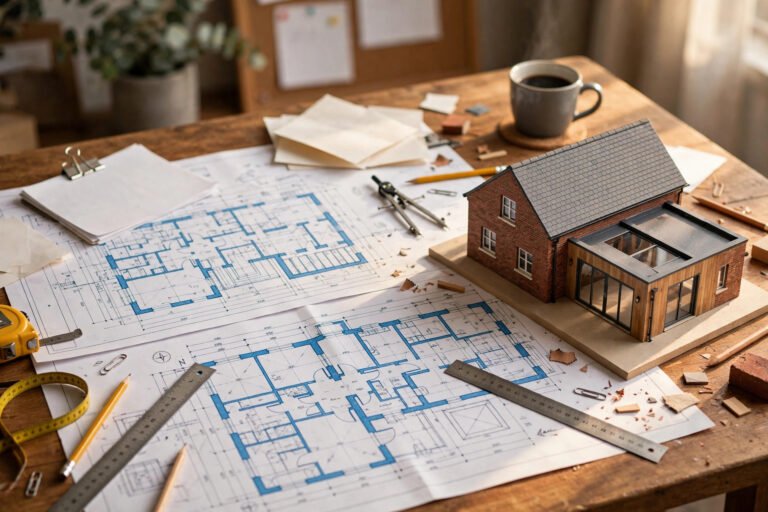
Stage 1: Planning and Preparation
- Confirm your budget and get itemised quotes from tradespeople or a main contractor
- Apply for any necessary planning permission or Building Regulations approval
- Order long lead time items early, such as kitchen units, windows, or bespoke joinery
- Arrange storage for furniture and belongings if rooms need to be cleared
- Set a realistic timeline with built-in contingency for delays
Stage 2: Structural Work and Demolition
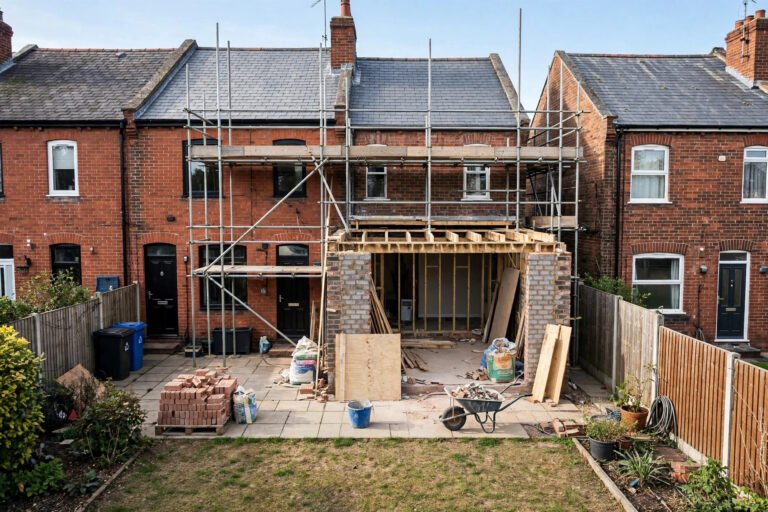
Any structural changes, such as removing walls, forming new openings, or major layout alterations, should happen first, since everything that follows depends on the final structural shape of the space. This stage also covers stripping out old kitchens, bathrooms, or fittings being replaced.
Stage 3: First Fix Plumbing and Electrics
First fix work involves running pipework and cabling to their final positions before walls are plastered over. This includes rough plumbing for new bathroom or kitchen locations and electrical cabling for sockets, lighting, and any new circuits.
Stage 4: Plastering
Once first fix work is complete and any structural alterations are finished, plastering can begin. Fresh plaster needs adequate drying time, typically four to six weeks, before it can be painted, which is worth building into your overall timeline from the start.
Stage 5: Second Fix Plumbing and Electrics
Second fix involves installing the visible fittings: sockets, switches, light fixtures, taps, and sanitaryware. This happens after plastering and before final flooring and decorating, since second fix components need a finished wall surface to mount to.
Stage 6: Flooring
Flooring is generally fitted after the majority of dusty, messy work is complete, but before final decorating touches like painting skirting boards, since flooring installation can still create some dust and debris that would mark freshly painted surfaces.
Stage 7: Decorating and Final Fittings
The final stage covers painting, wallpapering, fitting skirting boards and architrave, and installing any remaining fixtures such as curtain poles, shelving, or artwork. This is also when any final snagging issues from earlier trades should be identified and resolved.
Home Renovation Checklist by Stage
| Stage | Key Tasks | Typical Duration |
|---|---|---|
| Planning | Budget, permissions, ordering materials | 4 to 12 weeks |
| Structural work | Demolition, wall removal, new openings | 1 to 3 weeks |
| First fix | Pipework and cabling installation | 1 to 2 weeks |
| Plastering | Skimming and drying time | 1 week work, 4 to 6 weeks drying |
| Second fix | Sockets, taps, sanitaryware | 1 to 2 weeks |
| Flooring | Installation across renovated rooms | 3 days to 1 week |
| Decorating | Painting, skirting, final fittings | 1 to 2 weeks |
Common Home Renovation Sequencing Mistakes
- Fitting flooring before dusty structural or plastering work is complete, requiring costly protection or replacement
- Painting before plaster has fully dried, leading to bubbling or cracking
- Ordering bespoke items like kitchen units without confirming final structural dimensions first
- Skipping a proper snagging check before considering the project finished, leaving small defects unresolved
Building Regulations Checkpoints
Certain stages of a renovation require Building Control sign off, particularly structural work, electrical work in kitchens and bathrooms, and any changes affecting fire safety or insulation. Confirming which checkpoints apply to your specific project during the planning stage avoids delays later when work is already underway.
Living in Your House During a Renovation: Making It Bearable
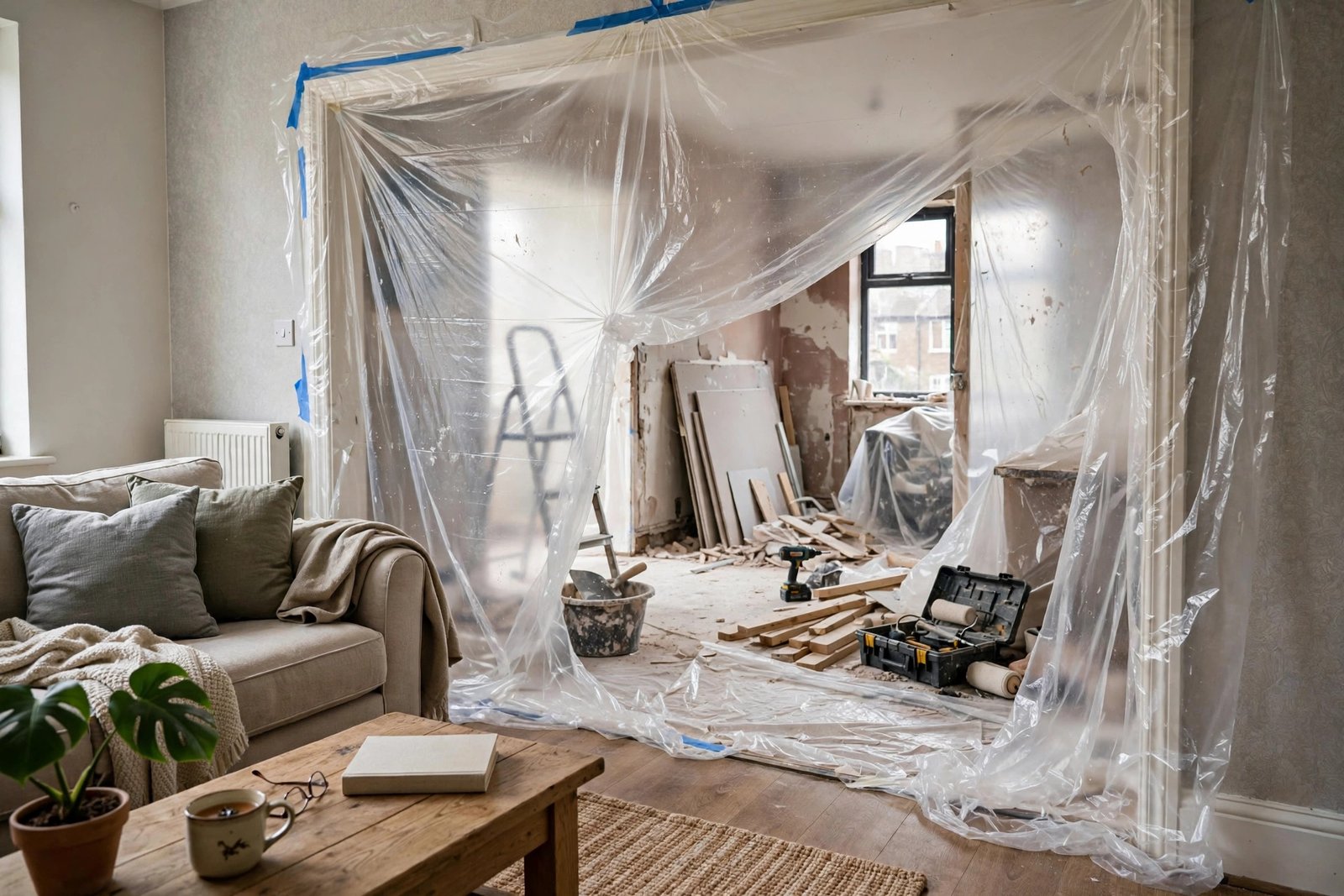
Most UK homeowners renovate while living in the property, and it is entirely manageable with the right preparation. The difference between a miserable few months and a merely inconvenient one usually comes down to dust control, a functioning temporary kitchen and bathroom, and clear ground rules with your builders.
The table below covers the essentials worth sorting before work starts.
| Challenge | Practical solution |
|---|---|
| Dust spreading everywhere | Seal work zones with plastic sheeting and zip doors; vacuum daily with a HEPA filter vacuum |
| No working kitchen | Set up a temporary kitchen with a kettle, microwave, toaster and mini fridge in another room |
| Bathroom out of action | Schedule bathroom works in phases so one facility always works; agree downtime dates in advance |
| Noise and early starts | Agree working hours in writing before the project begins, typically 8am to 5pm on weekdays |
| Belongings getting damaged | Pack ornaments, books and soft furnishings into labelled boxes; photograph rooms before work starts |
| Children and pets at risk | Keep them away from work zones with closed doors or safety gates, especially during demolition |
Dust is the complaint that surprises people most. Renovation dust is extremely fine, travels through tiny gaps, and settles on everything. Beyond sheeting and daily vacuuming, an air purifier in your living zone makes a noticeable difference to air quality, which matters for anyone with asthma or allergies. Keep bedroom doors closed at all times and change bedding more often than usual during dusty stages.
Communication keeps the arrangement working. Agree which entrance trades will use, where they can park, which rooms are off limits, and who to contact with questions. A brief weekly check in covering progress and the coming week’s noisy or disruptive work lets you plan meals, laundry and working from home around it. If relations are good, small courtesies like tea and clear access go a long way toward a considerate job.
Frequently Asked Questions
What is the first step in a home renovation?
Planning and budgeting come first, including getting quotes, confirming any necessary permissions, and ordering long lead time materials before any physical work begins.
Why does plastering need to dry before painting?
Fresh plaster contains significant moisture that needs time to evaporate. Painting too soon can trap this moisture, causing the paint to bubble or crack as it tries to escape later.
Should flooring go in before or after painting?
Flooring is generally fitted after major dusty work but before the final decorating pass, since final paint touches, particularly on skirting boards, are best done once flooring is in place and protected.
How long does a typical home renovation take from start to finish?
A full room renovation typically takes four to eight weeks including planning, while a whole house renovation can take three to six months depending on scope and any structural work involved.
Can renovation stages overlap to save time?
Some stages can overlap with careful project management, such as ordering materials during the structural work stage, but core sequential stages like plastering before second fix generally cannot be skipped without risking rework.
Is it safe to live in a house during a major renovation?
Yes, when the project is properly managed. A reputable builder keeps construction zones separated from living areas, stores hazardous materials safely, and secures the site at the end of each day. Children and pets should be kept away from active work zones throughout.
How do I keep dust out of my living areas during a renovation?
Seal work zones with plastic sheeting and zip doors, vacuum daily with a HEPA filter vacuum, and keep internal doors to living areas closed. An air purifier in your main living space noticeably improves air quality during dusty stages like demolition and plastering.
What should I do about cooking when the kitchen is being renovated?
Set up a temporary kitchen in another room with a kettle, microwave, toaster and mini fridge before the old kitchen is ripped out. Plan for simple meals, use disposable plates to cut washing up, and agree the kitchen downtime dates with your builder in advance.
Can I stay if the bathroom is being replaced?
It depends on the schedule. If you have a second bathroom, phase the work so one always functions. With only one bathroom, agree exact downtime dates with your builder beforehand and arrange temporary alternatives, since even a well run bathroom refit leaves you without facilities for several days.
What working hours should I agree with my builders?
Agree hours in writing before work starts. A typical UK pattern is 8am to 5pm on weekdays, with no weekend work unless agreed. Also confirm which entrance trades will use, parking arrangements and which rooms are off limits, since clear boundaries prevent most day to day friction.
Expert Insight
Renovation project managers consistently identify rushed plastering drying time as one of the most common causes of costly rework, since painting too soon frequently means stripping back and redoing the final decorating stage entirely.
Final Thoughts
Following the correct sequence for a home renovation, from planning through to final decorating, prevents the majority of costly rework and delays. Building realistic time allowances into each stage, particularly plaster drying time, keeps the whole project running smoothly.
Starting a renovation? Write out your own stage-by-stage checklist before work begins, and share it with every tradesperson involved, so everyone is working to the same sequence and timeline.
Related Guides
- Home Renovation Costs UK: Complete Guide
- Storage Containers for Home Renovation
- Do You Need a Home Renovation Project Manager?
Written by the HometoWorld editorial team, covering home improvement, renovation, and property maintenance across the UK.
About the Author