Quick Answer: Are Resin Driveways Worth the Cost?
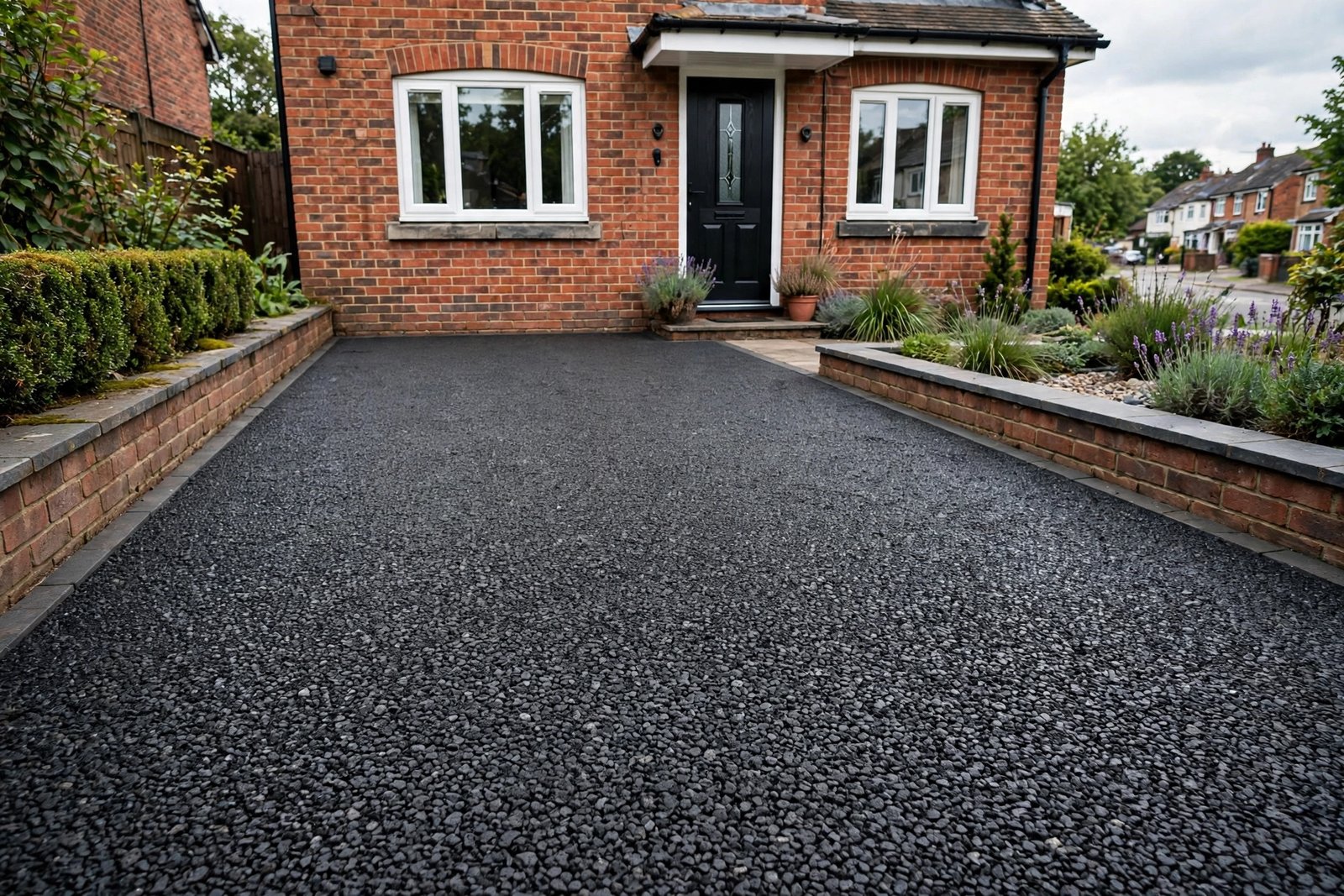
Resin bound driveways cost £60 to £100 per square metre installed, more than gravel or tarmac but less than natural stone, offering a smooth, low maintenance, permeable surface available in numerous colours and finishes. They are generally worth the investment for homeowners prioritising kerb appeal, drainage compliance, and minimal ongoing maintenance over the lowest possible upfront cost.
Resin Bound vs Resin Bonded: What Is the Difference?
| Feature | Resin Bound | Resin Bonded |
|---|---|---|
| Application method | Aggregate mixed with resin, then trowelled | Resin applied first, aggregate scattered on top |
| Surface finish | Smooth, permeable | Textured, less permeable, loose stone can dislodge |
| Permeability | Fully permeable, meets SUDS drainage requirements | Limited permeability |
| Durability | Higher, better bonded aggregate | Lower, more prone to stone loss over time |
Resin bound is generally the preferred choice for UK driveways given its superior permeability and durability compared to resin bonded surfacing.
Benefits of a Resin Bound Driveway
- Smooth, seamless finish with no loose stones to scatter or displace
- Fully permeable, helping meet UK drainage regulations without additional soakaway provision in many cases
- Wide range of colours and aggregate blends to suit different property styles
- Resistant to weeds, since the bound surface leaves no gaps for growth
- Low maintenance, generally requiring just occasional cleaning
Resin Driveway Installation Process
- The existing surface is excavated and a suitable sub-base is laid and compacted
- A permeable base layer, often porous tarmac or a specific resin-compatible base, is installed
- Resin and aggregate are mixed and applied evenly across the surface
- The surface is trowelled to an even finish and left to cure, typically over 24 to 48 hours before use
Resin Driveway Cost Breakdown
| Driveway Size | Estimated Cost |
|---|---|
| Small (20 sqm) | £1,200 to £2,000 |
| Medium (40 sqm) | £2,400 to £4,000 |
| Large (60 sqm) | £3,600 to £6,000 |
Cost varies based on ground preparation needs, chosen aggregate blend, and whether the existing surface needs full excavation or can be overlaid.
Choosing a Resin Driveway Colour and Finish
Resin driveways are available in an extensive range of aggregate colours, from natural stone tones like buff, silver, and charcoal through to more distinctive coloured blends. Lighter colours tend to show dirt and tyre marks more visibly than darker or mid-tone options, which is worth considering alongside pure aesthetic preference.
Resin Driveway Maintenance
- Sweep or blow leaves and debris off regularly to prevent staining
- Pressure wash periodically, following the installer’s specific guidance on pressure and technique
- Address oil or fuel spills promptly to avoid staining the resin surface
- Avoid heavy point loads, such as narrow stiletto heels or unsupported jack stands, which can occasionally mark the surface
How Long Do Resin Driveways Last?
A properly installed resin bound driveway typically lasts 15 to 25 years, with UV-stable resins resisting yellowing or fading significantly better than older resin formulations. Installation quality and proper sub-base preparation have a bigger impact on longevity than the resin product itself.
Resin Driveways and Drainage Regulations
Because resin bound surfacing is permeable, it generally satisfies UK SUDS (Sustainable Drainage Systems) requirements without needing additional drainage provision, which is one of the reasons it has grown in popularity for driveway replacement projects where planning permission would otherwise be triggered by non-permeable surfacing.
Common Resin Driveway Problems and How to Avoid Them
Resin bound driveways have an excellent reputation when installed well, but most of the complaints you will read online trace back to poor installation rather than the material itself. Knowing the common problems helps you ask the right questions before choosing an installer.
| Problem | Usual cause | How to avoid it |
|---|---|---|
| Cracking | Inadequate sub-base or ground movement | Insist on a proper excavated sub-base, not a thin overlay on a failing surface |
| Colour fading or yellowing | Non-UV-stable resin | Confirm in writing that a UV-stable resin will be used |
| Oil and tyre stains | Porous surface absorbing spills | Clean spills promptly; ask about sealant options for parking areas |
| Loose stones | Resin bonded (not bound) system, or poor mixing | Choose resin bound, and check the aggregate is fully coated during mixing |
| Weeds at edges | Gaps between resin and edging | Ensure solid edge restraints are installed before the resin is laid |
| Ponding water | Incorrect falls or blocked permeable base | Confirm drainage falls are designed in, even on permeable systems |
Cracking is the issue homeowners fear most, and it is almost always a groundwork failure. Resin is a thin wearing surface, typically 15 to 18mm deep, so it depends entirely on what sits beneath it. Laid over a properly prepared sub-base it flexes slightly with normal ground movement. Laid thinly over a cracked old surface, it simply mirrors those cracks within a year or two.
Colour change is the second common complaint. Cheaper non-UV-stable resins can yellow noticeably within a few summers, particularly in lighter aggregate blends. UV-stable resins cost more but hold their colour far better, and any reputable installer should specify which type is included in the quote as standard.
The practical takeaway is that installer selection matters more than product selection. Ask for addresses of driveways laid at least three years ago, check how the quote specifies sub-base depth and resin type, and be wary of prices far below the typical £60 to £100 per square metre range, since the saving usually comes out of the groundwork you cannot see.
Frequently Asked Questions
Do resin driveways crack?
Properly installed resin driveways with adequate sub-base preparation are generally resistant to cracking, though poor ground preparation or extreme ground movement can occasionally cause surface cracking over time.
Can you lay a resin driveway over an existing surface?
In some cases, resin can be overlaid onto a sound existing concrete or tarmac base, which can reduce cost compared to full excavation, though a professional assessment should confirm the existing surface is suitable.
Do resin driveways get slippery when wet?
Quality resin bound surfaces are generally textured enough to provide good grip even when wet, though checking a specific product’s slip resistance rating is worthwhile if this is a particular concern.
How long does a resin driveway take to cure?
Most resin driveways are safe to walk on within a few hours and ready for light vehicle use within 24 to 48 hours, though full curing to maximum strength can take slightly longer.
Is a resin driveway a good DIY project?
Resin driveway installation is generally not recommended as a DIY project, since achieving a consistent, properly bonded, and level finish requires specific technique and experience that significantly affects the final result’s durability.
Why is my resin driveway cracking?
Cracking is usually caused by inadequate sub-base preparation or ground movement beneath the surface. Resin is only 15 to 18mm deep, so it depends entirely on the base below. A reputable installer should investigate the cause before suggesting a repair.
Do resin driveways fade in sunlight?
Driveways laid with UV-stable resin hold their colour well for many years. Cheaper non-UV-stable resins can yellow within a few summers, especially in lighter blends, so confirm the resin type in writing before work starts.
Can stains be removed from a resin driveway?
Fresh oil and fuel spills can usually be lifted with a degreaser if treated promptly. Old, soaked-in stains are much harder to remove, which is why quick clean-up matters and why some installers recommend a sealant on parking areas.
How do I stop weeds growing on my resin driveway?
A properly laid resin bound surface leaves no gaps for weeds. Growth usually appears only at edges where the resin meets lawn or beds, so solid edge restraints and occasional sweeping of the margins keep it under control.
Is a cheap resin driveway quote a red flag?
Often, yes. Quotes far below the typical £60 to £100 per square metre range usually achieve the saving by thinning the sub-base, skipping edge restraints or using non-UV-stable resin. Ask exactly what is included before comparing on price.
Expert Insight
Driveway installers consistently note that sub-base preparation, not the resin product itself, is the biggest factor determining whether a resin driveway lasts 25 years or develops problems within a few years, reinforcing why choosing an experienced, reputable installer matters more than the specific resin brand.
Final Thoughts
Resin bound driveways offer an attractive combination of appearance, permeability, and low maintenance that justifies the higher cost for many homeowners compared to gravel or tarmac. Choosing an experienced installer who prioritises proper ground preparation is the single biggest factor in getting a driveway that performs well for its full expected lifespan.
Considering a resin driveway? Ask potential installers for examples of their previous work at least a few years old, since this shows how the surface actually performs over time rather than just how it looks immediately after installation.
Related Guides
Written by the HometoWorld editorial team, covering home improvement, renovation, and property maintenance across the UK.
About the Author