
Quick Answer: How Do You Get Rid of Damp in a House?
Getting rid of damp starts with correctly identifying which of the three main types you have, condensation, penetrating damp, or rising damp, since each has a different cause and requires a different fix. Condensation, the most common type in UK homes, is addressed through improved ventilation and reduced moisture production. Penetrating and rising damp typically need the source of water ingress identified and repaired before any redecoration will hold.
The Three Types of Damp Explained
Condensation Damp
Condensation forms when warm, moist air meets a cold surface, most commonly on windows, in bathrooms, and in poorly ventilated corners of a room. It is by far the most common type of damp in UK homes and is usually identified by black mould spots, misted windows, and a musty smell in affected rooms.
Penetrating Damp
Penetrating damp occurs when water enters a property horizontally through a defect in the building fabric, such as a cracked render, a damaged roof, faulty guttering, or gaps around window and door frames. It typically appears as a damp patch that grows in wet weather and shrinks in dry conditions, unlike condensation which persists regardless of external weather.
Rising Damp
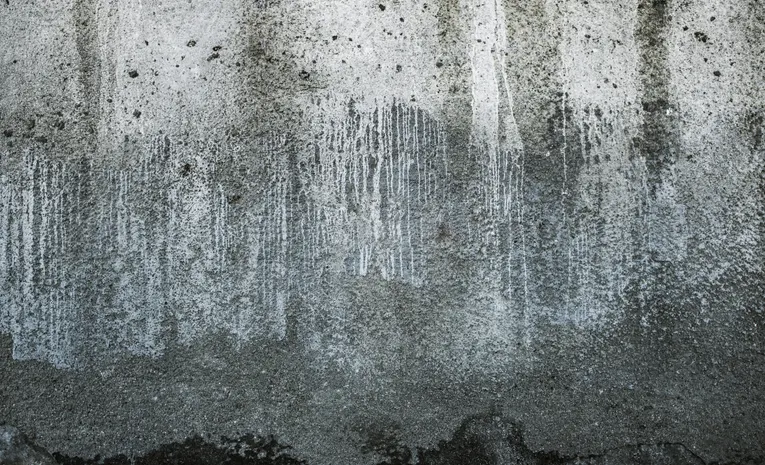
Rising damp is caused by groundwater travelling up through a wall via capillary action, usually because the property’s damp proof course has failed or was never installed. It is the least common of the three types despite being the most talked about, and is generally identified by a tide mark pattern on the lower portion of a wall, rarely rising above one metre.
How to Identify Which Type of Damp You Have
| Sign | Likely Damp Type |
|---|---|
| Black mould around windows, in bathroom corners | Condensation |
| Misted or streaming windows in cold weather | Condensation |
| Damp patch that worsens with rain, near a specific external defect | Penetrating damp |
| Tide mark on lower wall, rarely above one metre | Rising damp |
| Musty smell without an obvious visible source | Could be any type, needs closer inspection |
How to Fix Condensation Damp
- Improve ventilation by opening windows briefly each day, even in winter, to allow moist air to escape
- Use extractor fans in kitchens and bathrooms, and ensure they vent to the outside rather than into a loft space
- Keep a consistent, moderate background heat throughout the home rather than heating rooms intermittently, since large temperature swings encourage condensation on cold surfaces
- Dry washing outdoors or in a well ventilated space rather than on radiators indoors
- Consider a dehumidifier for particularly affected rooms, especially during colder months
How to Fix Penetrating Damp
- Identify the specific point of water ingress, checking guttering, render, roof coverings, and window and door seals near the affected internal area
- Repair the identified defect, whether that is clearing a blocked gutter, repointing brickwork, or resealing a window frame
- Allow the affected wall to dry out fully before redecorating, which can take several weeks depending on the extent of the damp
- Redecorate using a breathable paint suited to the wall type once fully dry
How to Fix Rising Damp
Genuine rising damp is less common than often assumed, and many cases diagnosed as rising damp are actually condensation or penetrating damp with a similar appearance. Where rising damp is genuinely confirmed, treatment typically involves installing or repairing a damp proof course, either a physical membrane or a chemical injection system, followed by replastering the affected area with a suitable render once the wall has dried out. Given the cost and disruption involved, it is worth getting a second opinion from an independent surveyor rather than relying solely on a damp proofing company’s own assessment, since some have a commercial incentive to diagnose rising damp.
Preventing Damp From Returning
- Maintain consistent ventilation habits year round, not just when damp is visibly present
- Check and clear guttering at least twice a year, alongside a periodic roof clean, to prevent penetrating damp from blocked or overflowing gutters
- Inspect external render and pointing periodically, repairing small cracks before they let in significant water
- Avoid blocking air bricks or vents, which are often installed specifically to manage moisture beneath suspended timber floors
When to Call a Professional
Persistent damp that does not respond to improved ventilation, damp affecting a large area, or any damp accompanied by structural concerns such as cracking should be assessed by an independent, qualified surveyor rather than treated as a straightforward DIY fix. A professional assessment is particularly important before any significant expenditure on damp proofing work, given how often damp is misdiagnosed.
Frequently Asked Questions
What is the most common cause of damp in UK homes?
Condensation is by far the most common cause of damp in UK homes, typically linked to inadequate ventilation combined with everyday moisture producing activities like cooking, showering, and drying laundry indoors.
How can I tell if damp is condensation or rising damp?
Condensation typically appears as surface moisture or mould around windows and in poorly ventilated corners, while rising damp shows as a tide mark low on a wall, generally not rising above about one metre, and is considerably less common than often assumed.
Does a dehumidifier get rid of damp permanently?
A dehumidifier manages the symptoms of condensation damp effectively but does not address the underlying cause, so combining it with improved ventilation and consistent heating gives a more lasting result.
How long does it take for a damp wall to dry out?
This varies significantly with the extent and type of damp, but a wall affected by penetrating damp can take several weeks to dry out fully once the source is fixed, and rising damp treatment may take considerably longer given the greater water content typically involved.
Is black mould dangerous?
Black mould linked to condensation can affect indoor air quality and may cause respiratory irritation for some people, so addressing the underlying ventilation issue promptly, alongside safely cleaning existing mould, is recommended rather than simply painting over it.
Expert Insight
Independent damp surveyors frequently report that rising damp is significantly over-diagnosed compared to its actual prevalence, with many cases that present as rising damp turning out to be condensation or penetrating damp once properly investigated, underlining the value of an independent assessment before committing to expensive damp proofing work.
Final Thoughts
Correctly identifying which type of damp you are dealing with is the essential first step, since condensation, penetrating damp, and rising damp each need a genuinely different fix. Addressing the root cause, whether that is ventilation habits or a specific building defect, will give a far more lasting result than simply treating the visible symptoms.
Dealing with damp in your home? Take photos of the affected area over a few weeks to see whether it changes with the weather, since this simple observation often points clearly toward condensation versus penetrating damp before you need to call anyone in.
Written by the HometoWorld editorial team, covering home improvement, renovation, and property maintenance across the UK.
About the Author