Quick Answer: What Causes Damp in Homes and How Do You Fix It?
Damp in UK homes is typically caused by one of three sources: condensation from everyday moisture like cooking and showering, penetrating damp from water entering through walls or roofs, or rising damp from ground moisture drawn up through walls. Identifying the correct type is essential, since treatment approaches differ significantly, and misdiagnosing damp is one of the most common causes of ineffective or unnecessary repair work.
Types of Damp Explained
Condensation
The most common type of damp in UK homes, caused by warm, moist air meeting a cold surface, such as a window or poorly insulated wall, and condensing into visible moisture. Poor ventilation, particularly in bathrooms and kitchens, significantly worsens condensation problems.
Penetrating Damp
Caused by water entering through the building fabric from outside, often due to damaged roofing, blocked gutters, cracked render, or failed pointing. Penetrating damp typically appears as a localised patch, often worse after rain.
Rising Damp
Ground moisture drawn up through walls via capillary action, typically affecting the lower portion of walls, usually up to around a metre high. Rising damp is less common than often assumed, and many cases diagnosed as rising damp are actually condensation or penetrating damp.
How to Identify Which Type of Damp You Have
| Feature | Condensation | Penetrating Damp | Rising Damp |
|---|---|---|---|
| Location | Cold surfaces, poorly ventilated rooms | Localised, often near a specific defect | Lower walls, up to about 1m high |
| Pattern | Widespread, worse in winter | Worse after rain | Consistent, tidemark staining |
| Common cause | Poor ventilation, moisture-heavy activities | Roof, gutter, or render defects | Failed or absent damp proof course |
Fixing Condensation Damp
- Improve ventilation with extractor fans in kitchens and bathrooms, used consistently during and after cooking or showering
- Open trickle vents in windows where fitted, rather than sealing them shut
- Dry washing outdoors or in a well-ventilated space rather than on radiators indoors where possible
- Ensure furniture is not pushed tightly against external walls, allowing air to circulate
- Address any cold spots contributing to condensation through improved insulation
Fixing Penetrating Damp
- Identify and repair the specific defect allowing water entry, such as damaged roofing, blocked gutters, or failed pointing
- Check and clear gutters regularly, since blockages are a common and easily preventable cause of penetrating damp
- Repair any cracked render or brickwork allowing water to track through the wall
- Allow the affected area to dry out fully after the source is fixed before any redecoration
Fixing Rising Damp
Genuine rising damp, confirmed by professional survey rather than assumption, typically requires addressing or installing a damp proof course, either chemical injection or a physical damage proof membrane, alongside replastering the affected area with an appropriate damp-resistant plaster system. Given how often rising damp is misdiagnosed, a proper professional survey before any treatment is strongly recommended.
Signs of Damp to Watch For
- Musty smell, often noticeable before any visible signs appear
- Discoloured or peeling paint and wallpaper
- Black mould spots, particularly in corners, around windows, or on ceilings
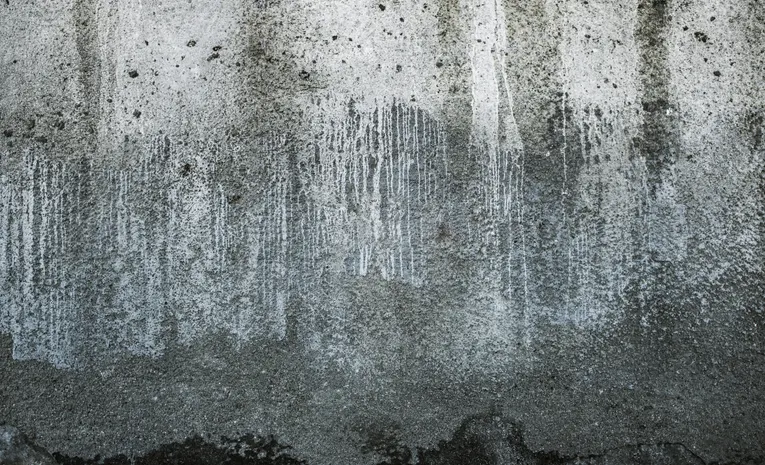
- Visible water staining or tidemarks on walls
- Damp, cold patches that feel different to the surrounding wall surface
Damp and Health
Persistent damp and associated mould growth can contribute to respiratory issues and general poor indoor air quality, making prompt identification and treatment important beyond just protecting the property’s structural condition.
When to Call a Professional Damp Surveyor
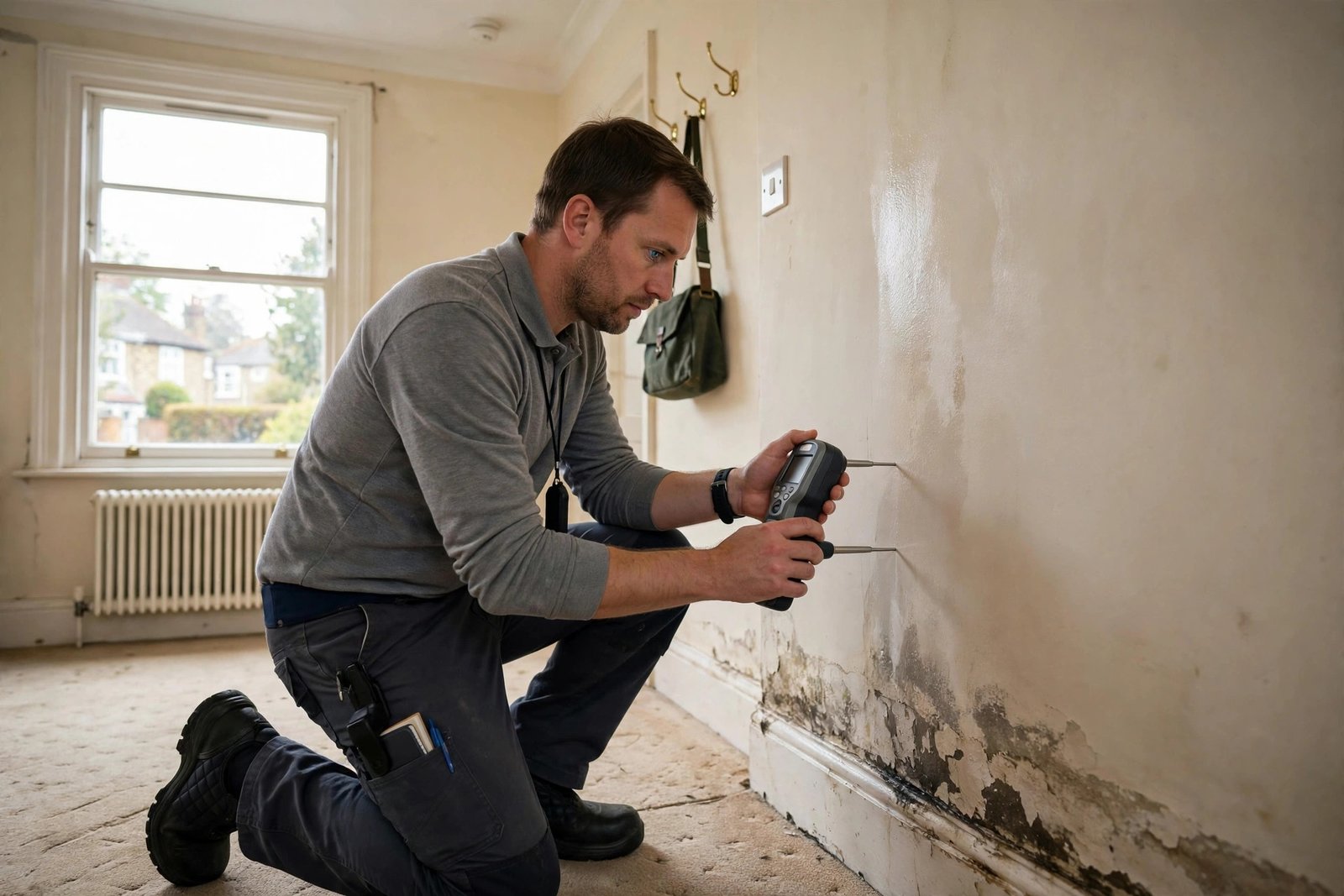
While mild condensation can often be managed through improved ventilation, persistent, worsening, or unclear damp issues warrant a professional survey to accurately diagnose the type and cause before committing to any treatment, since misdiagnosed and incorrectly treated damp wastes money and fails to resolve the underlying problem.
How Much Does Damp Treatment Cost in the UK?
Damp treatment costs in the UK vary enormously because the price depends on the type of damp, not just the size of the patch. Condensation problems can often be sorted for a few hundred pounds with better ventilation, while confirmed rising damp needing a new damp proof course and replastering can run into several thousand. The table below gives typical 2026 UK price ranges so you can sense-check any quote.
| Treatment | Typical UK cost (2026) |
|---|---|
| Independent damp survey | £150 to £300 |
| Condensation fixes (extractor fans, trickle vents, PIV unit) | £150 to £600 |
| Penetrating damp, minor (gutter repair, repointing, sealing) | £300 to £800 |
| Penetrating damp, major (re-rendering, roof repairs) | £1,500 to £5,000 |
| Chemical damp proof course injection | £70 to £100 per linear metre |
| Rising damp treatment, full terraced house (including replastering) | £1,500 to £2,500 |
| Replastering after damp treatment | £35 to £60 per square metre |
Two costs catch homeowners out. First, the damp proof course injection itself is the cheaper part; hacking off salt-contaminated plaster and replastering with a salt-retardant system is usually the bigger share of the bill. Second, many quotes exclude VAT, survey fees, redecoration and making good afterwards, so ask for an itemised quote that states exactly what is included. As a rule, get at least three quotes and be wary of any firm that diagnoses rising damp and quotes for treatment in the same visit without a proper independent survey.
Frequently Asked Questions
How do I know if damp is condensation or something more serious?
Condensation typically appears widespread on cold surfaces and worsens in winter, while penetrating or rising damp tends to be more localised and persistent regardless of ventilation improvements, though a professional assessment gives the clearest answer.
Is rising damp common in UK homes?
Genuine rising damp is less common than often assumed, and many cases initially suspected as rising damp turn out to be condensation or penetrating damp on proper investigation.
Can I treat damp myself?
Condensation-related damp can often be significantly improved through better ventilation and moisture management at home, but penetrating and rising damp usually require identifying and fixing a specific structural cause, which often needs professional input.
Does damp always mean mould will follow?
Persistent damp conditions create an environment where mould is likely to develop, particularly in poorly ventilated areas, so addressing damp promptly helps prevent mould establishing in the first place.
How much does damp treatment cost?
This varies enormously depending on the type and severity, from minimal cost ventilation improvements for condensation through to several thousand pounds for damp proof course installation and replastering for confirmed rising damp.
How much does a damp survey cost in the UK?
An independent damp survey typically costs £150 to £300 in 2026, with London prices running higher. It is worth paying for a survey from someone who does not also sell the treatment, since a surveyor with nothing to gain from the diagnosis is far more likely to identify the true cause.
What is the cheapest way to treat damp?
Condensation is the cheapest damp to treat, usually £150 to £600 for extractor fans, trickle vents or a positive input ventilation unit. Penetrating damp from a blocked gutter can cost under £300 to fix, while confirmed rising damp is rarely cheap because of the replastering involved.
How much does rising damp treatment cost per metre?
Chemical damp proof course injection typically costs £70 to £100 per linear metre, but this figure alone is misleading. The full job including hacking off old plaster and replastering to around a metre high usually brings a terraced house to £1,500 to £2,500 in total.
Does damp treatment include replastering?
Not always, and this is the most common source of quote disputes. Rising damp treatment normally requires removing salt-contaminated plaster and replastering with a salt-retardant system. Check whether your quote includes this, because replastering alone can cost £35 to £60 per square metre.
How long does a wall take to dry after damp treatment?
A treated wall typically takes one month per 25mm of wall thickness to dry out, so a standard 225mm solid wall can take the best part of a year. Do not redecorate until the wall is fully dry, and use a moisture meter to check progress rather than guessing.
Is damp treatment covered by home insurance?
Most UK home insurance policies exclude gradual damp, condensation and rising damp as maintenance issues. Sudden water damage from a burst pipe is usually covered, but long-term damp is not. Check your policy wording before assuming you can claim.
Expert Insight
Damp specialists consistently emphasise that correct diagnosis matters more than the specific treatment method, since applying a rising damp treatment to what is actually condensation, a common misdiagnosis, wastes significant money without resolving the underlying issue at all.
Final Thoughts
Correctly identifying whether damp is condensation, penetrating, or rising is the essential first step before any effective treatment, since each type has a different underlying cause and solution. When in doubt, a professional survey avoids the cost and frustration of treating the wrong problem.
Dealing with damp? Note exactly where and when the damp appears, worse after rain, worse in winter, or consistently present, since this pattern is one of the most useful clues in correctly identifying the type before seeking treatment.
Related Guides
- Gutter Cleaning: Complete Guide
- Cavity Wall Insulation: Complete Guide
- Draught Proofing: Complete Guide
Written by the HometoWorld editorial team, covering home improvement, renovation, and property maintenance across the UK.
About the Author