
Travel is one of the best things you can spend money on. But the moment you lock your front door behind you, your house becomes the thing you worry about. The good news is that most holiday break-ins are crimes of opportunity, and a bit of preparation makes your home a far less attractive target. This guide explains how to keep your home safe while on holiday, with advice tailored to UK houses, locks and insurers.
Why an empty home needs a plan
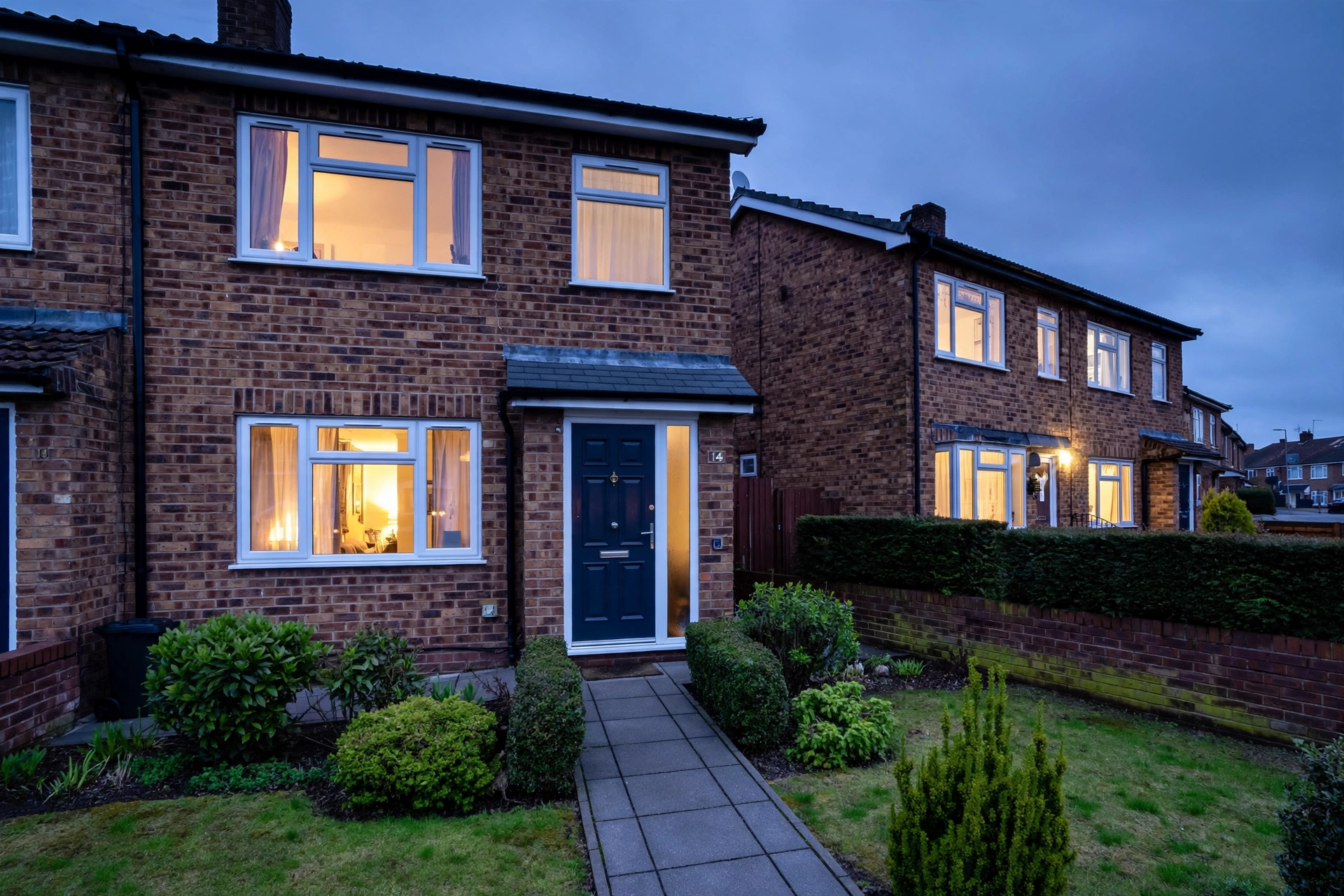
An unoccupied house looks different from an occupied one. Post piles up behind the door, no lights come on at night, the lawn grows, and no car sits on the drive. Police forces across the UK advise getting into an “exit routine” every time you leave, and that matters most before a long trip. A few visible changes tell anyone watching that the house is empty, so the goal is simple: leave everything looking normal and make entry hard.
Lock every entry point to the right standard
Locks are where UK insurance policies are strictest. Many UK home insurers require specific lock standards on external doors, and a non-compliant lock can reduce or invalidate a burglary claim. Before you go away, check what you have fitted.
| Door type | What UK insurers typically expect | How to check |
|---|---|---|
| Timber front or back door | A 5-lever mortice deadlock certified to BS 3621 | Look for the BSI Kitemark and “BS3621” stamped on the lock faceplate with the door open |
| uPVC or composite door | Multipoint locking with a TS007 3-star euro cylinder | Check the cylinder body for the kite mark and TS007 star rating; a plain cylinder with no markings is almost certainly not compliant |
| Patio or French doors | Multipoint locking engaged at every point | Lift the handle and turn the key so all bolts engage, not just the centre one |
| Ground-floor windows | Key-operated window locks | Most modern uPVC windows have them built in; close the window, lock it, and store the key out of sight but accessible to the household |
The standards matter more than the brand name. For timber doors, BS 3621 is the benchmark, and for uPVC and composite doors, a TS007 3-star cylinder resists snapping, picking, bumping and drilling. If any external door fails these checks, a locksmith can upgrade it before you travel. See the Keys4U guide to identifying insurance-approved locks for what compliant locks look like.
Make the house look lived in
Visibility tricks are cheap and effective. Use plug-in timer switches so lamps come on in different rooms at dusk, and set a radio on a timer too. Ask a trusted neighbour to park on your drive, move your curtains after dark, and clear any post that gets through. Cancel regular deliveries such as milk and newspapers, or use Royal Mail Keepsafe to hold your post while you are away. Leave curtains as you normally would during the day: curtains shut all day is a classic sign that nobody is home.
Sort your insurance before you pack
This is the step most people skip. Most standard UK home insurance policies restrict or exclude cover once the property has been unoccupied for 30 to 60 days in a row, depending on the provider. Typical holidays are fine, but longer trips need attention. Tell your insurer if you will be away for an extended period, because failing to notify them can leave you unprotected against the most common empty-home risks, such as escape of water and burglary. Check your policy wording for the exact unoccupancy limit and any conditions, such as regular property inspections. Allianz has a clear explainer on unoccupied property cover.
Prevent water and fire damage while you are away
Water damage is one of the most common home insurance claims, and a leak running for two weeks causes far more harm than one spotted on day one. Before you leave, turn off the water at the stopcock if you are comfortable doing so, and leave the boiler on at a low temperature in winter so pipes do not freeze. Unplug non-essential appliances, test your smoke and carbon monoxide alarms, and make sure your burglar alarm is set with up-to-date contact details so your neighbour or monitoring company can reach you.
Keep your trip off social media until you return
Holiday posts and airport check-ins tell strangers your house is empty. Share photos after you get home, and in the meantime set your accounts so posts are visible to friends only. The Hertfordshire Police leaving-your-home checklist flags this as one of its five key tips for going away.
Your pre-holiday security checklist
| When | Task |
|---|---|
| A week before | Check every external door lock meets BS 3621 or TS007 3-star; book a locksmith if not |
| A week before | Read your home insurance policy for unoccupancy limits and tell your insurer about long trips |
| A week before | Set up Royal Mail Keepsafe or ask a neighbour to collect post and parcels |
| A week before | Buy or test timer switches for lamps and a radio |
| The day before | Cancel milk, newspaper and other regular deliveries |
| The day before | Test smoke alarms and set the burglar alarm; confirm contact details are current |
| The day before | Lock away garden tools, ladders and bins that could help someone climb in |
| As you leave | Lock all doors, windows, side gates, shed and garage; double-lock the front door |
| As you leave | Turn off water at the stopcock and unplug non-essential appliances |
| As you leave | Leave keys with a trusted neighbour, with no name or address attached |
Frequently asked questions
Will my home insurance cover a burglary while I am on holiday?
A normal two-week holiday does not usually affect your cover, as long as you locked the house properly and your locks meet the standards your policy requires. Cover problems usually arise on much longer trips, or when a policy condition such as the locks clause has not been met. Check your policy wording before you go.
How long can I leave my home empty before my insurance is affected?
Most standard UK home insurance policies restrict or exclude cover once a property has been unoccupied for 30 to 60 consecutive days, depending on the insurer. If your trip approaches that limit, tell your insurer and ask about specialist unoccupied property cover.
What locks do UK insurers require on external doors?
Most insurers require a 5-lever mortice deadlock certified to BS 3621 on timber external doors, and a multipoint locking system with a TS007 3-star euro cylinder on uPVC and composite doors. Windows on accessible routes usually need key-operated locks. Requirements vary by policy, so read your own wording.
Should I turn off the water before going on holiday?
Yes, if you know where your stopcock is. Turning off the water at the stopcock prevents a slow leak from running for the whole trip. In winter, keep the boiler on at a low temperature so pipes do not freeze.
Is it safe to post holiday photos on social media while I am away?
It is safer to wait until you return. Real-time posts tell strangers your home is empty. If you do post, keep your account private and visible to friends only.
Can Royal Mail hold my post while I am on holiday?
Yes. Royal Mail Keepsafe holds your mail for up to 66 days while you are away, which stops post piling up behind the door and signalling that the house is empty.
Do I need a smart security camera to keep my home safe?
No. Good locks, timer switches, a set burglar alarm and a neighbour keeping an eye on things cover the basics. A camera or video doorbell is a useful extra, but it does not replace compliant locks or insurance checks.
About the Author