Quick Answer: What Are the Main Interior Design Styles?
The main interior design styles found in UK homes include rustic, hygge, wabi sabi, Scandinavian or Danish, Victorian, Edwardian, regency, and arts and crafts, along with the more contemporary vintage and eclectic approaches. Each style has distinct colour, material, and furniture characteristics, and many homeowners blend elements from two or three styles rather than following one strictly.
Rustic Interior Design
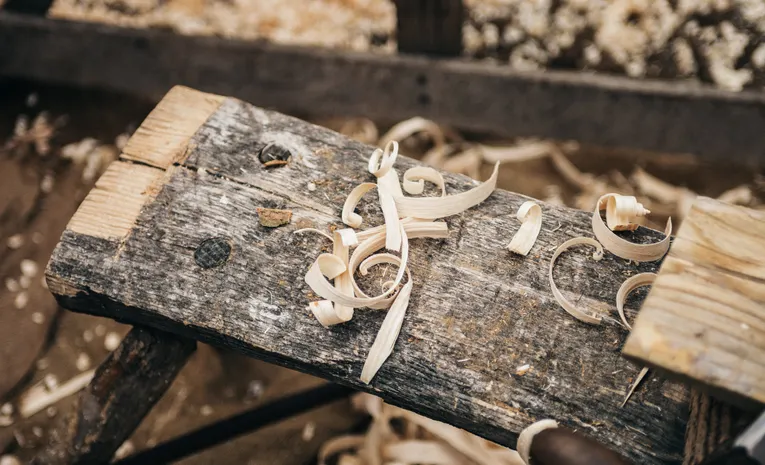
Rustic interior design draws on natural, slightly imperfect materials such as reclaimed wood, stone, and woven textiles, favouring warmth and texture over polish and precision. Exposed beams, natural wood furniture with visible grain, and muted earthy colour palettes are all characteristic features.
Hygge Interior Design
Hygge, the Danish concept of cosy contentment, has become a well known interior design influence in the UK, characterised by soft layered lighting, natural materials, warm neutral colour palettes, and an emphasis on comfort over formality. Chunky knit textiles, candles, and soft furnishings in wool or sheepskin are common hygge touches.
Wabi Sabi Interior Design
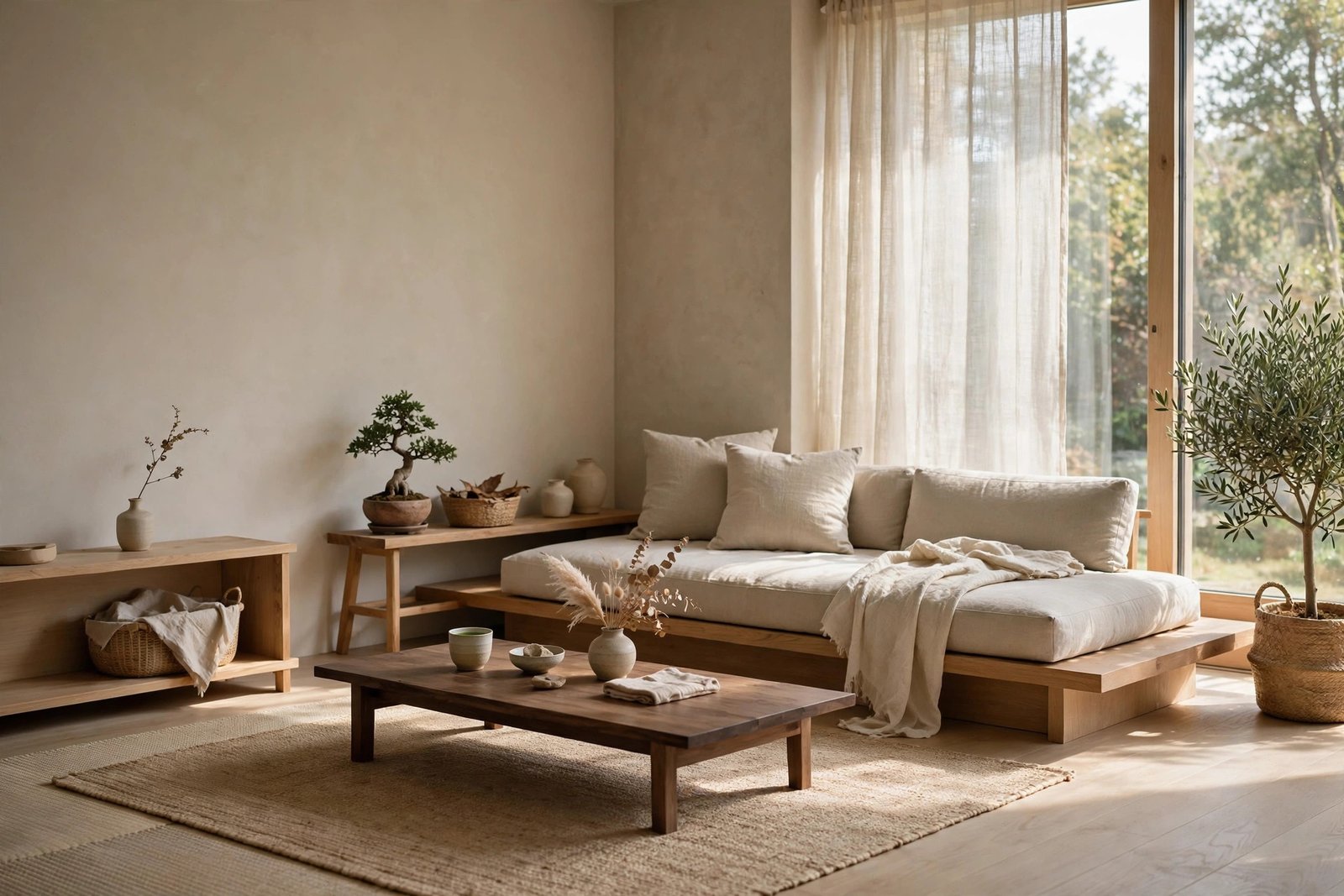
Wabi sabi is a Japanese aesthetic philosophy centred on finding beauty in imperfection and natural ageing. In interior design terms, this translates to handmade ceramics, visible repairs such as kintsugi style joinery, unpolished natural materials, and a deliberately restrained, uncluttered approach to furnishing.
Danish and Scandinavian Interior Design
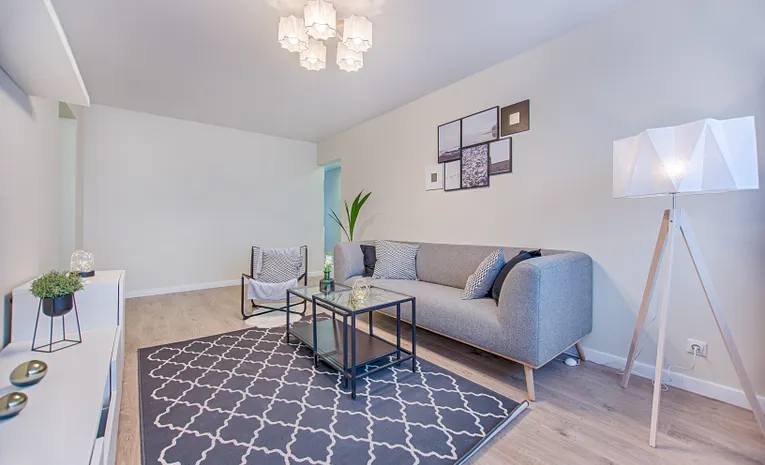
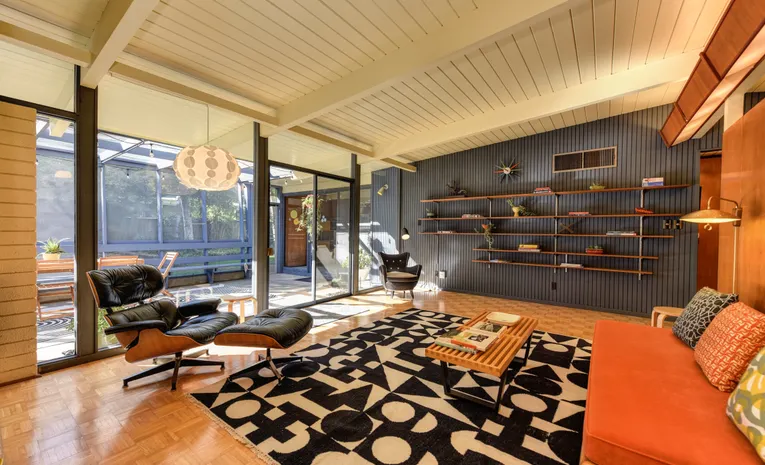
Danish interior design shares hygge’s warmth but leans more heavily into functional, minimalist furniture design, clean lines, and a pared back colour palette dominated by whites, light woods, and occasional muted accent colours. Iconic mid century Danish furniture designs remain a strong reference point within this style.
Victorian and Edwardian Interior Design
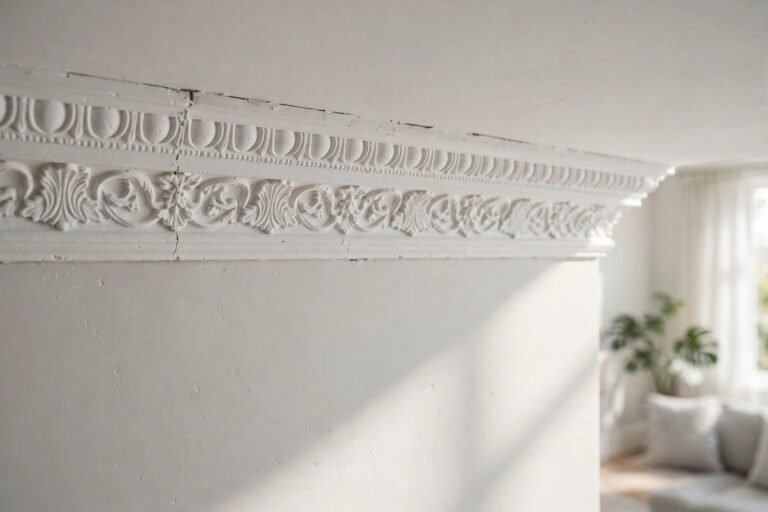
Victorian house interior design typically features rich, saturated colours, patterned wallpaper, ornate cornicing, and dark wood furniture, reflecting the more formal, layered decorating approach of the period. Edwardian interior design that followed is generally lighter and less cluttered, with a shift toward simpler colour palettes and more restrained ornamentation, though it retains many of the same architectural features such as high ceilings and decorative coving.
Regency Style Interior Design
Regency style interior design is characterised by elegant proportions, classical motifs, and a refined colour palette often featuring soft blues, greens, and gold accents. Striped or floral wallpaper, symmetrical furniture arrangements, and decorative plasterwork are common features associated with the period.
Arts and Crafts Interior Design
Arts and crafts interior design emphasises handcrafted quality, natural materials, and simple, honest construction over mass produced ornamentation. Exposed joinery, William Morris style patterned textiles, and built in furniture pieces such as window seats and inglenook fireplaces are all characteristic of this style, which developed partly as a reaction against Victorian excess.
Vintage Interior Design
Vintage interior design draws on furniture, colours, and decorative items from a specific past era, often the mid twentieth century, mixed with contemporary elements to keep the overall look feeling current rather than like a period recreation. Genuine or reproduction vintage furniture pieces are typically used as statement items within an otherwise simpler, more modern room.
Modern Interior Design Styles: Minimalist, Japandi and Transitional
The styles above lean heavily toward period and niche aesthetics, yet three modern styles now dominate UK renovation searches and deserve a place in any complete guide: minimalist, Japandi and transitional. Each answers a different need, from visual calm to blending old and new.
Minimalist interior design is about editing rather than adding. Palettes stay restrained, furniture is chosen for both form and function, and every item has to earn its place. It suits compact homes particularly well, since the lack of clutter makes small rooms feel larger and calmer. Minimalism does not mean empty or uncomfortable; the best minimalist rooms feel grounded and purposeful.
Japandi blends Japanese and Scandinavian principles, combining the Japanese appreciation of simplicity and natural materials with the Scandinavian focus on comfort. Expect low profile furniture, muted tones, clean lines and handmade details. It is a natural next step if you already like the hygge and wabi sabi styles covered above, since it draws directly on both.
Transitional design sits between traditional and modern. It keeps classic bones such as symmetry, panelling and elegant silhouettes, then pairs them with a calmer palette and simpler fabrics. It is a forgiving choice for UK period homes being updated for modern living, because original features and new pieces can sit comfortably side by side.
| Style | Colour palette | Key features | Best suited to |
|---|---|---|---|
| Minimalist | Restrained neutrals | Clean lines, functional furniture, no clutter | Compact homes, calm interiors |
| Japandi | Muted, earthy tones | Low furniture, natural materials, handmade details | Serene, nature connected spaces |
| Transitional | Calm neutrals with classic accents | Traditional shapes, modern fabrics, balanced mix | Period homes updated for modern living |
If you are choosing between them, start with how you want the room to feel. Minimalist suits those who value order and clarity, Japandi suits those who want warmth within simplicity, and transitional suits anyone trying to honour a period property while living comfortably in the present.
Interior Design Style Comparison Table
| Style | Colour Palette | Key Materials | Best Suited To |
|---|---|---|---|
| Rustic | Earthy, muted | Reclaimed wood, stone | Cottages, converted barns |
| Hygge | Warm neutrals | Wool, natural wood, candles | Any home wanting cosy comfort |
| Wabi sabi | Muted, natural | Ceramics, unpolished wood | Minimalist, calm interiors |
| Danish/Scandinavian | White, light wood | Functional furniture, clean lines | Modern homes, small spaces |
| Victorian | Rich, saturated | Dark wood, patterned wallpaper | Period terraced houses |
| Edwardian | Lighter, restrained | Simple wallpaper, painted wood | Early 20th century properties |
| Regency | Soft blues, greens, gold | Plasterwork, classical motifs | Georgian and Regency period homes |
| Arts and crafts | Natural, handcrafted tones | Exposed joinery, patterned textiles | Character properties valuing craft |
Choosing a Style That Suits Your Property
The architectural period of your property is often the most practical starting point when choosing a style, since working with existing features such as coving, fireplaces, or window proportions generally gives a more cohesive result than fighting against them. That said, contemporary homes have no such constraints and can successfully adopt any of these styles, or blend several together.
Blending Interior Design Styles
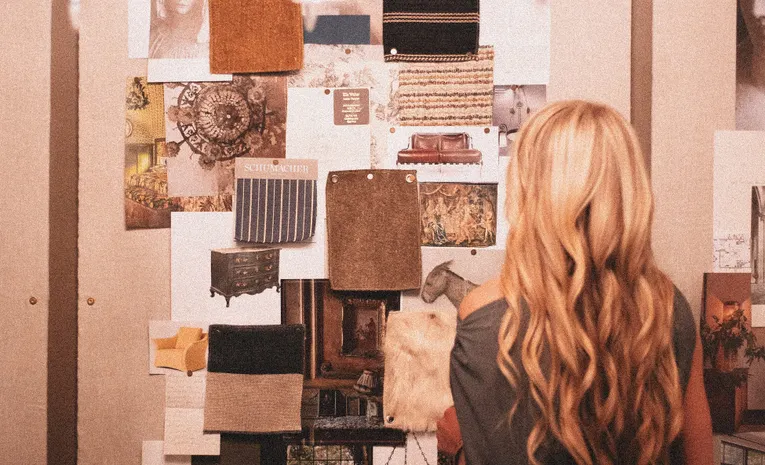
Very few real homes follow a single style purely. A common and effective approach is choosing one style as the primary influence, perhaps Scandinavian for its light, functional base, and layering in accents from a second style, such as vintage furniture pieces or wabi sabi inspired ceramics, to add character without creating visual conflict.
Using the Colour Wheel to Support Your Chosen Style
Whichever style you choose, understanding the colour wheel for interior design helps you build a coherent palette rather than choosing colours in isolation. Complementary colours, sitting opposite each other on the wheel, create vibrant contrast, while analogous colours, sitting next to each other, create a calmer, more harmonious scheme, which suits styles like hygge and wabi sabi particularly well.
Frequently Asked Questions
What is the difference between hygge and wabi sabi?
Hygge focuses on warmth, comfort, and cosiness through soft textiles and layered lighting, while wabi sabi centres on finding beauty in natural imperfection and simplicity, with a more restrained, less cluttered approach overall.
Which interior design style suits a small flat?
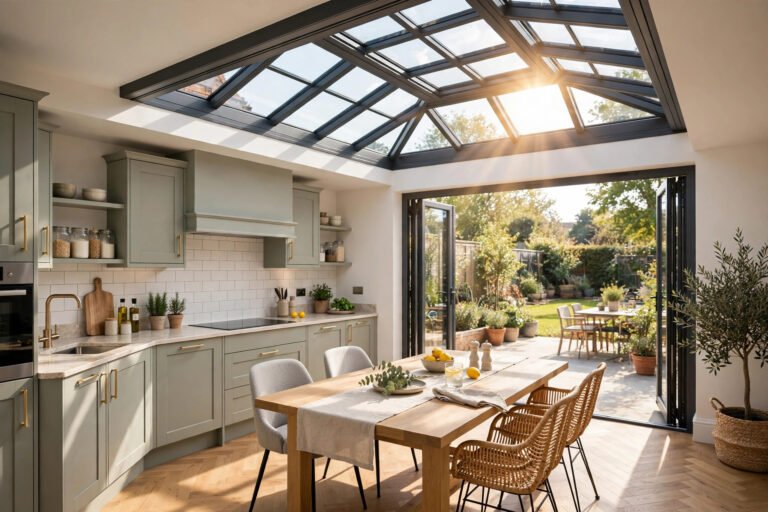
Danish or Scandinavian style, with its light colours, functional furniture, and clean lines, generally works particularly well in smaller spaces, since it avoids visual clutter and reflects light effectively.
Can you mix Victorian and modern interior design?
Yes, many homeowners successfully combine original Victorian architectural features, such as cornicing and fireplaces, with more contemporary furniture and a simplified colour palette for a fresher, updated take on the period style.
What defines arts and crafts style furniture?
Arts and crafts furniture typically features visible, honest joinery, natural wood finishes, and simple, sturdy construction, prioritising craftsmanship and function over decorative flourish.
Is rustic the same as farmhouse style?
The two overlap significantly, with both favouring natural materials and a relaxed, lived in feel, though farmhouse style often incorporates more specific references such as shaker style cabinetry and vintage kitchenware.
What is Japandi interior design?
Japandi blends Japanese minimalism with Scandinavian comfort. It uses natural materials such as light wood, linen and stone, muted earthy palettes, low profile functional furniture and handmade details. The result is a calm, serene interior that feels warm rather than stark, which is why it has become one of the most searched modern styles in the UK.
Is minimalist design the same as modern design?
Not quite. Modern design refers to a specific early to mid 20th century movement with its own materials and forms, while minimalism is an approach based on editing and restraint that can be applied within any era. A minimalist room can contain modern, traditional or Japandi pieces, provided each one earns its place.
What is transitional interior design?
Transitional design sits between traditional and modern styles. It keeps classic elements such as symmetry, panelling and elegant furniture shapes, then softens them with calmer colours and simpler fabrics. It works especially well in UK period homes, where it lets original features and contemporary pieces sit comfortably together.
Which interior design style suits a new build home?
New builds suit minimalist, Japandi or Scandinavian styles particularly well, since their clean architecture pairs naturally with simple lines and light palettes. Without period features to work around, you can also blend styles freely, for example a minimalist base with vintage statement pieces for character.
Can you mix Japandi with other styles?
Yes, Japandi blends easily with Scandinavian, minimalist and wabi sabi influences since they share natural materials and restrained palettes. Keep one style dominant at around 70 percent of the room and use the second for accents, which avoids the visual confusion of an even split.
Expert Insight
Interior designers consistently note that the most successful room schemes commit to one dominant style at roughly 70 percent of the room, leaving the remaining 30 percent for accent pieces from a secondary style or era, rather than attempting an even split that can read as visually confused.
Final Thoughts
Understanding the defining features of each interior design style makes it much easier to choose a direction for your own home, whether you want to work with a period property’s existing character or start fresh in a contemporary space. Most successful interiors draw primarily from one style while borrowing accents from another to add personality.
Choosing a style for your home? Save images of rooms you are drawn to before you start shopping, then look for the common thread between them, which usually reveals your dominant style preference more clearly than starting from a style name alone.
Related Guides
Written by the HometoWorld editorial team, covering home improvement, renovation, and property maintenance across the UK.
About the Author