What Interior Design Means Today
Interior design means shaping spaces to support how you live. It improves function and appearance. Today, people expect interiors to reflect lifestyle, not just follow a trend. You focus on space planning, material use, lighting, and personal needs. Good design balances comfort with efficiency. You must understand user behavior before starting. Whether you decorate a small apartment or a large house, success depends on clarity in purpose. Integrate natural elements, lighting layers, and optimized layouts. Aim for practicality and well-being. This forms the base for all the following steps in interior design.
Core Principles Every Space Should Follow
Every successful interior follows core principles, including balance, proportion, rhythm, harmony, and emphasis. You use them to avoid visual clutter. Good lighting enhances color accuracy. Scale defines how furniture suits the room. Rhythm ensures a smooth transition between design elements. A focal point helps create visual impact. Harmony binds materials, textures, and colors. When these principles are applied correctly, the space feels intentional. Experts rely on these fundamentals when working with modern home decor, small spaces, and high-end design concepts.
Understanding Different Interior Design Styles
Design styles shape how people view spaces. You see popular styles like Scandinavian, minimal, modern classic, contemporary, Japandi, and maximalist. Each has distinct elements. Scandinavian focuses on wood and simplicity. Minimal favors clean lines and neutral tones. Maximalist embraces bold colors and layering. Japandi blends Japanese and Nordic calm. Your content should explain characteristics and help readers match a style to their lifestyle. Add long-tail examples like “timeless bedroom design” or “neutral texture layout.” This improves search potential and guides readers.
How to Evaluate Your Space Before Designing
Before designing, evaluate your space properly. Study dimensions, light direction, entry points, existing furniture, and storage potential. Measure width, height, and depth accurately. Check room orientation. Identify functional requirements, such as a work zone, relaxation area, or dining area. Analyze ongoing activities and expected flow. Observe natural light and its impact during different times. Include color tests. This section aligns with long-tail keywords about planning for small homes and multifunctional rooms. Assessment reduces errors and supports effective interior planning.
Choosing Materials and Textures
Materials and textures influence feel and durability. Natural materials like oak, rattan, stone, and linen add warmth. Synthetic materials can reduce cost. Texture layering enhances depth. Use mixed textures like wool rugs, linen curtains, and wooden tables. Durable surfaces suit high-traffic areas. Material selection should align with climate, lifestyle, and budget. Ask readers to balance aesthetics with function. Include references such as “Dinesen wood flooring” to target niche audiences while staying relevant to broader design seekers.
Role of Color and Light in Space Optimization
Color and light control room behavior. Light defines how colors appear. Use ambient, task, and accent lighting for better variation. Natural light boosts energy. Warm lighting creates comfort. Wall paint should match the right intensity. Choose color palettes based on room activity. Use soft shades for bedrooms and bolder tones for dining areas. Include examples like “how to choose a lighting scheme” for long-tail coverage. A well-lit room improves usability and visual appeal.
How to Create Mood with Design Elements
Design can change mood. Use elements like texture, lighting, warmth, plant integration, and symmetry for optimal comfort. Use soothing colors for relaxation areas. Materials impact emotion. Soft furnishings create calm, while bold decor triggers energy. This section connects design psychology to everyday living. Mention long-tail terms such as “how design affects mood.” Proper spatial planning reduces stress. Readers should understand how interior choices influence well-being.
Psychological Impact of Interior Choices
Psychological impact is often ignored. Interiors affect mood, productivity, and behavior. People feel calm in rooms with soft lighting and neutral tones. Bright colors activate energy. Use natural materials for a rounding effect. Avoid visual clutter. Sound-absorbing fabrics reduce noise impact. This adds unique value not covered by competitors. Your content should educate readers on emotional outcomes linked to interior choices. It improves retention and authority.
Functional Design for Modern Lifestyles
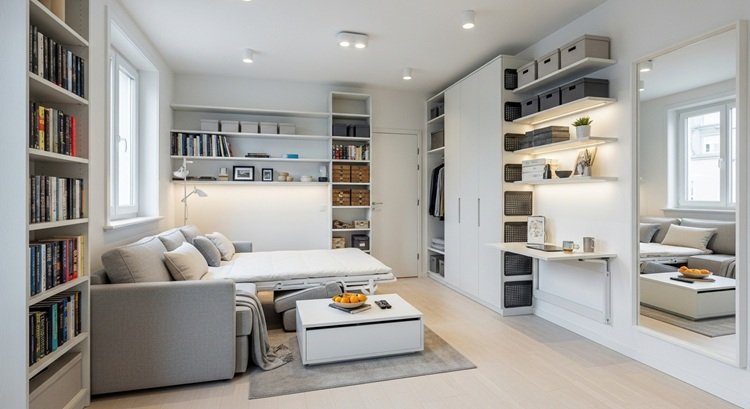
Modern lifestyles demand functional design. Create multi-purpose zones. Use foldable furniture for tight spaces. Open layouts improve flow. Integrate storage in walls or beneath beds. Smart furniture adds value. Use long-tail examples like “design for small apartments.” Urban homes benefit from modular setups. Furniture positioning improves access. You should highlight how interior choices directly support daily activities.
Designing for Small Homes and Apartments
Small home design needs smart execution. Use vertical spaces for storage. Opt for multifunctional furniture. Light colors make areas feel wider. Mirrors add depth. Avoid bulky pieces. Use sliding doors instead of hinged ones. Compact lighting enhances height. This section connects to long-tail keywords such as “small space design hacks.” Keep movement areas open. Small changes offer high impact without high cost.
How to Use Natural Elements Indoors
Natural elements improve indoor quality. Use wood, stone, plants, and linen to mimic nature. Indoor plants increase air freshness. Light wood tones make rooms look welcoming. Natural fibers create warmth. Use large windows for daylight. Fountain or natural stone textures enhance character. This aligns with the “bringing nature into the home” search trend. Nature-inspired design boosts mental health and offers long-term usability.
Introduction to Biophilic and Eco-Friendly Design
Eco-friendly design supports sustainability. Use energy-efficient lighting. Select reusable, recycled, or low-impact materials. Water-based paint reduces toxins. Encourage users to use reclaimed wood. Minimize waste during renovation. Promote solar lighting and natural cooling solutions. Add keywords like “sustainable interior design” and “low-waste home setup.” This creates differentiation, as competitors barely touch this topic.
Smart Home Integration in Interior Design
Smart home integration improves convenience. Use smart lighting, automated curtains, and digital climate control. Integrate tech with décor rather than letting devices dominate visuals. Use hidden wiring. Voice control helps accessibility. This section aligns with “smart system integration.” Modern interior users expect environments that adapt to needs. Recommend starting small and expanding gradually.
Practical Styling Rules Experts Use
Experts use styling rules to improve balance. Use the 3-5-7 rule for decoration grouping. Select odd-number arrangements for visual harmony. Mix heights and textures. Keep key accessories near focal points. Avoid overcrowding. This aligns with popular styling trends. Include mentorship tone, guiding users in execution. List examples such as “layer textures using rugs, throws, and cushions.”
Interior Design Mistakes That Reduce Space Value
Design mistakes reduce value. Avoid oversizing furniture. Poor lighting destroys visual appeal. Ignoring storage leads to clutter. Selecting colors without testing causes mismatch issues. Using too many decor items makes rooms chaotic. Not planning circulation limits comfort. Highlight these errors so users avoid them during design execution.
How to Plan a Budget and Phases of Design
Plan the budget in phases. Start with priority zones like the kitchen and the bedroom. Allocate cost based on material durability, lighting, and furnishing. Factor in service costs. Use low-cost design tactics like repainting or reinstalling hardware. Long-tail keyword examples include “budget planning for interior project.” Guide to avoid over-investing in non-essential décor.
When to Hire an Interior Designer and How to Select One
Hiring an interior designer helps when the work complexity increases. Ask for a portfolio and references. Check compatibility with your lifestyle. For small projects, DIY can work if you follow structured planning. Suggest combining both approaches when needed. This section supports balanced decision-making and builds trust.
DIY Design Ideas That Offer High Impact
DIY design saves money. Start with small upgrades like wall color, lights, and basic styling. Use online planning tools. Reuse existing materials. Create mood boards. Encourage readers with easy-to-follow steps. Integrate long-tail terms like “DIY interior upgrades.” Useful for users not willing to hire professionals.
Regional and Cultural Adaptations in Design
Regional adaptations influence design success. Climate affects material choice. Cultural preference defines color selection. Pakistani interiors often favor warm tones and wood. Modern fusion design combines traditional patterns with minimalist layouts. Content here appeals to local audiences while retaining global relevance.
Future of Interior Design, trends to watch
Interior design evolves with lifestyle shifts. Expect trends like flexible layouts, natural materials, loud luxury, and technology integration. Sustainability will grow. Personalization will increase. Small space optimization will remain important. Mention long-tail keywords like “future of interior design.”
Checklist Before Starting Your Design Project
Provide a checklist. Include space measurement, lighting plan, budget framework, material selection, mood reference, timeline, and contractor evaluation. This actionable format improves user success.
Final expert recommendations
Keep design user-focused. Test color and light before finalizing. Blend aesthetics with functionality. Use smart planning for small areas. Apply design principles consistently. Adapt trend insights without losing personal identity. Combine sustainability, technology, and long-term usability for the best results.
About the Author