Quick Answer: What Is a Close Coupled Toilet?
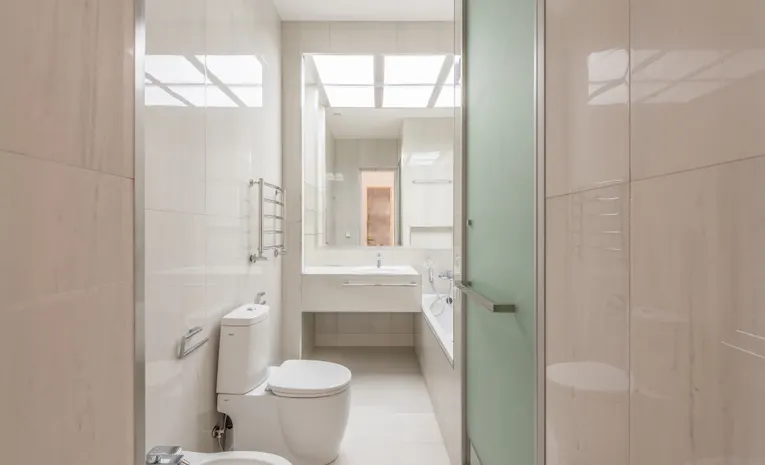
A close coupled toilet is the most common toilet design in UK bathrooms, where the cistern sits directly on top of and connects flush against the toilet pan, forming one compact, connected unit. This design offers a straightforward installation, easy availability of spare parts, and a familiar appearance that suits most bathroom styles, typically costing £100 to £400 for the toilet itself.
Close Coupled vs Other Toilet Designs
| Design | Cistern Position | Typical Cost | Best For |
|---|---|---|---|
| Close coupled | Directly on the pan, connected | £100 to £400 | Most bathrooms, straightforward installation |
| Wall hung | Concealed in the wall | £300 to £900 plus frame | Modern bathrooms, easier cleaning |
| Low level | Separate, connected by a short pipe | £150 to £450 | Traditional and period bathroom styles |
| High level | Mounted high, connected by a pipe | £200 to £600 | Victorian-style period bathrooms |
Advantages of Close Coupled Toilets
- Straightforward, well understood installation that most plumbers can fit quickly
- Wide availability of spare parts and replacement components given how common the design is
- No need for a concealed cistern frame or additional wall structure, unlike wall hung designs
- Suits most bathroom sizes and styles without requiring specific wall construction
- Generally the most affordable toilet design option
Choosing a Close Coupled Toilet
Pan Shape
Close coupled toilets are available in both round and square (or D-shaped) pan designs, a purely aesthetic choice that should coordinate with your bathroom’s overall style rather than affecting function significantly.
Flush Type
Dual flush systems, offering a choice between a full and reduced flush, have become standard on most modern close coupled toilets, helping reduce water consumption compared to older single flush designs.
Rimless Design
Rimless toilet pans, without the traditional rim where the pan meets the bowl, have grown in popularity for being easier to clean thoroughly, since there is no hidden rim area for limescale and bacteria to accumulate.
Soft Close Seats
Most modern close coupled toilets come with, or can be fitted with, a soft close seat that lowers gently rather than slamming, reducing noise and the risk of a cracked seat over time.
Comfort Height vs Standard Height: Which Toilet Height Is Right?
Toilet height is rarely discussed at the showroom, yet it affects daily comfort more than almost any other feature. Close coupled toilets come in two main heights, and the right choice depends on who uses the bathroom.
A standard height toilet measures around 400mm from the floor to the top of the pan rim, roughly 430mm with the seat on. This is the height most UK bathrooms have had for decades. It suits children, shorter adults and anyone who prefers a lower sitting position, and it is the most widely available and usually cheapest option.
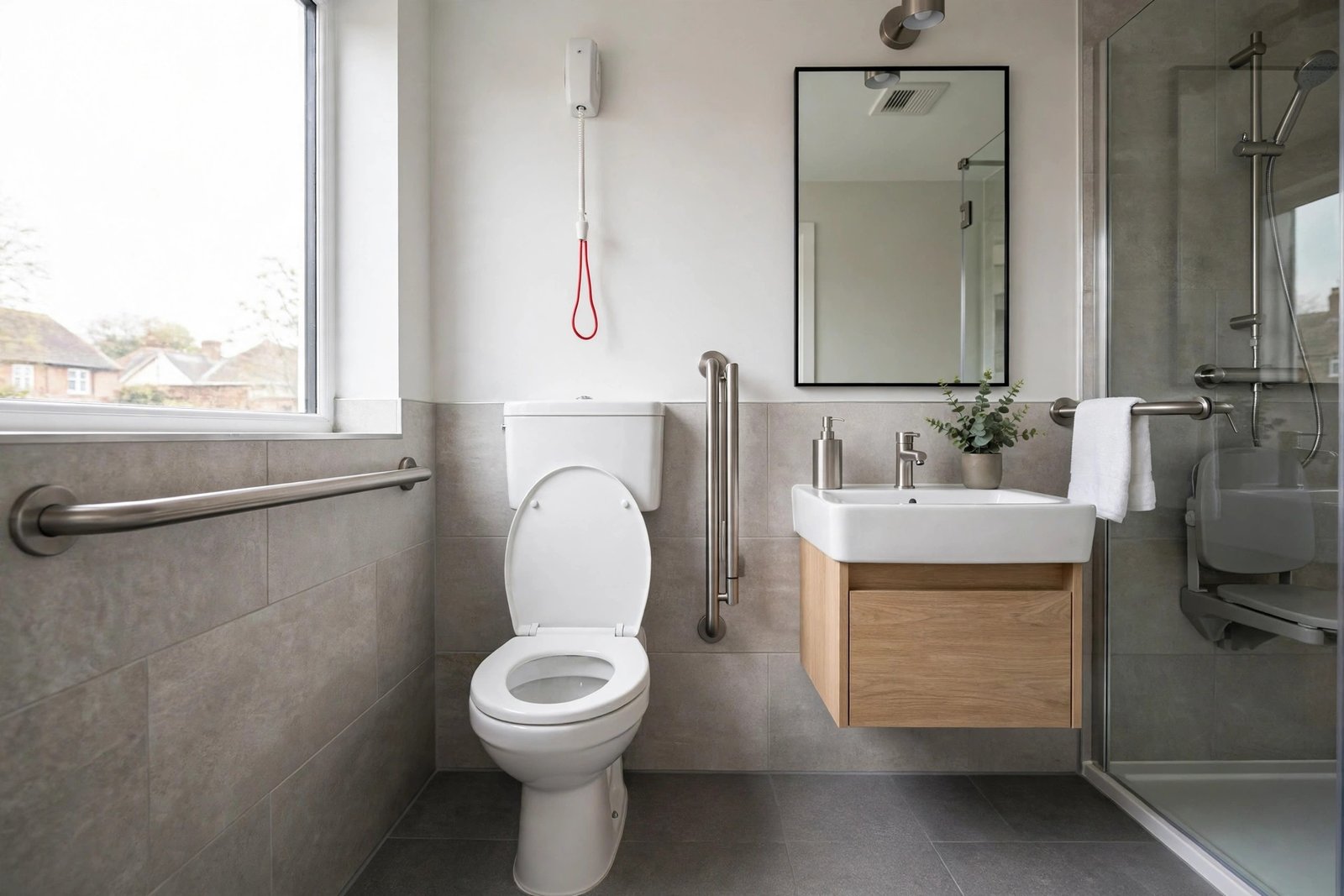
A comfort height toilet, also called chair height, measures 440 to 500mm to the pan rim, about the height of a dining chair. The extra height makes sitting down and standing up noticeably easier, which is why comfort height is the default recommendation for older users, taller people and anyone with knee, hip or back problems. Many are designed to align with wheelchair transfer heights for accessible bathrooms.
The trade-off is real. Because comfort height keeps you more upright, it does not allow the natural squatting position that makes bowel movements easier, and shorter users or children may find their feet dangling, which affects comfort and circulation. For a shared family bathroom used by children, standard height is usually the better compromise unless accessibility is the priority.
| Feature | Standard height (around 400mm) | Comfort height (440 to 500mm) |
|---|---|---|
| Best for | Children, shorter adults, family bathrooms | Elderly, taller people, limited mobility |
| Sitting and standing ease | Needs more leg strength | Noticeably easier |
| Natural position | Better squatting angle | More upright, less natural |
| Availability and price | Widest range, lowest prices | Good range, sometimes slightly pricier |
Price differences are modest: comfort height models typically cost about the same as standard, occasionally a little more. If you are unsure, visit a showroom and sit on both. Thirty seconds of testing beats any amount of reading.
Installing a Close Coupled Toilet
- Turn off the water supply and disconnect the old toilet if replacing an existing unit
- Remove the old toilet, disconnecting the waste pipe and water supply connections
- Position the new pan, ensuring correct alignment with the waste outlet
- Fit the cistern onto the pan following the manufacturer’s specific fitting instructions
- Reconnect the water supply and waste pipe, then test for leaks before full use
While a confident DIYer with plumbing experience can fit a close coupled toilet, professional installation is recommended for anyone not fully comfortable with plumbing connections, given the risk of leaks if fittings are not correctly sealed.
Close Coupled Toilet Cost Breakdown
| Item | Typical Cost |
|---|---|
| Budget close coupled toilet | £100 to £180 |
| Mid-range close coupled toilet | £180 to £300 |
| Premium/designer close coupled toilet | £300 to £500+ |
| Professional installation | £100 to £250 |
Maintaining a Close Coupled Toilet
- Check the cistern to pan connection periodically for any signs of leaking or loosening
- Clean regularly, paying particular attention to the area where the cistern meets the pan, which can trap moisture
- Replace worn flush valve components promptly if you notice the toilet running or flushing inefficiently
- Descale periodically in hard water areas to prevent limescale buildup affecting the flush mechanism
Frequently Asked Questions
Are close coupled toilets easy to install?
Close coupled toilets are among the more straightforward toilet designs to install, given their simple, well-established connection method, though professional installation is still recommended unless you have relevant plumbing experience.
What is the difference between close coupled and wall hung toilets?
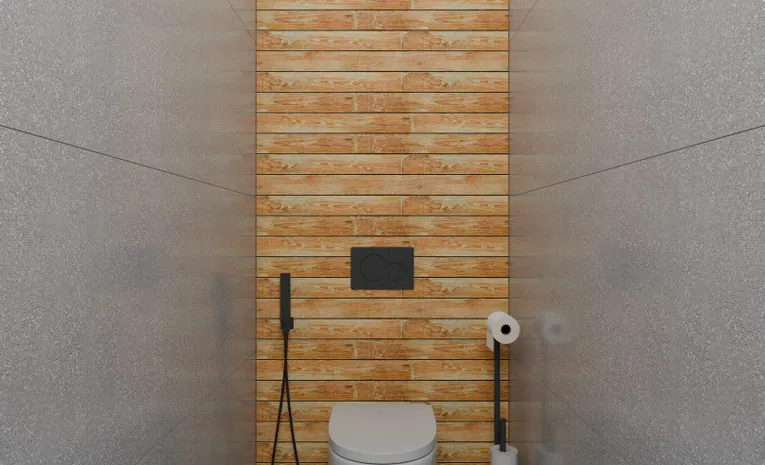
Close coupled toilets have a visible cistern sitting directly on the pan, while wall hung toilets conceal the cistern within the wall, giving a cleaner look and easier floor cleaning but requiring additional wall structure and generally costing more.
Can you replace just the cistern on a close coupled toilet?
In some cases yes, provided a compatible replacement cistern is available for your specific pan model, though replacing both together as a matched set generally gives the most reliable, leak-free result.
Do close coupled toilets come in different sizes?
Yes, close coupled toilets are available in various projection depths and heights, including compact and comfort height options, so measuring your bathroom space before purchase is worthwhile.
How long do close coupled toilets last?
The ceramic pan and cistern typically last decades with proper care, though internal flush mechanism components may need occasional replacement, generally every 10 to 15 years depending on water hardness and usage.
Toilet Height FAQs
What is a comfort height toilet?
A toilet with a pan rim 440 to 500mm from the floor, roughly dining chair height, compared to around 400mm for standard. The extra height makes sitting and standing easier.
Are comfort height toilets better for elderly people?
Yes, in most cases. The higher seat reduces strain on knees, hips and backs when sitting down and standing up, which is why they are widely recommended for accessible and later-life bathrooms.
Is a comfort height toilet suitable for short people?
Often not ideal. Shorter adults and children may find their feet do not reach the floor comfortably, which can affect circulation and comfort. Standard height suits them better.
Do comfort height toilets cost more?
Sometimes slightly, but the difference is usually modest. The bigger cost factor is the brand and design range rather than the height itself.
Can I fit a comfort height toilet in a small bathroom?
Yes, height does not change the footprint much. Check the projection (front to back depth) instead, since that is what determines whether the toilet fits a compact space.
Expert Insight
Plumbers consistently recommend close coupled toilets as the practical default choice for most bathroom renovations, citing the combination of lower cost, simpler installation, and easier future maintenance compared to wall hung alternatives, unless a specific design reason favours a concealed cistern.
Final Thoughts
Close coupled toilets remain the most popular toilet design in UK bathrooms for good reason, offering a reliable, affordable, and straightforward option that suits the vast majority of bathroom renovations. Choosing the right pan shape, flush type, and seat features lets you personalise this practical design to suit your bathroom’s style.
Choosing a new toilet? Measure your existing toilet’s projection and rough-in dimensions before ordering a replacement, since close coupled toilets vary in size and an incorrect match can complicate installation.
Related Guides
Written by the HometoWorld editorial team, covering home improvement, renovation, and property maintenance across the UK.
About the Author