Quick Answer: Are Wall Hung Toilets Worth It?
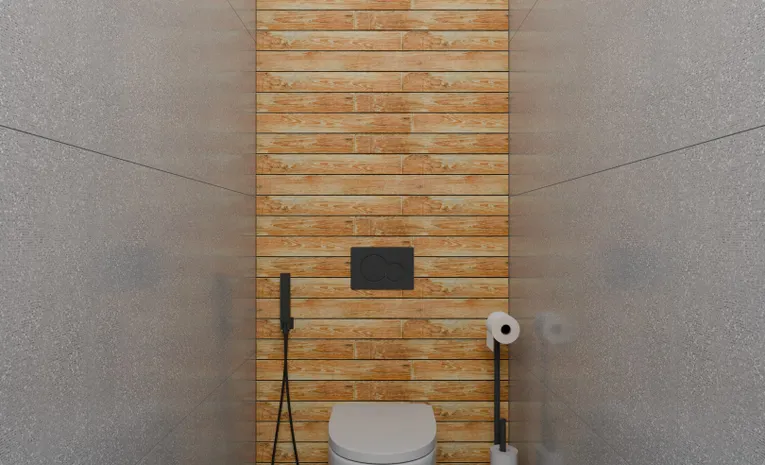
Wall hung toilets conceal the cistern within the wall or a boxed frame, leaving only the pan visible and floating above the floor, offering easier cleaning, a sleek contemporary look, and space-saving benefits. They typically cost £300 to £900 including the concealed cistern and frame, more than a standard close coupled toilet, but are widely considered worth it for bathrooms prioritising a modern aesthetic and easier maintenance.
How Wall Hung Toilets Work
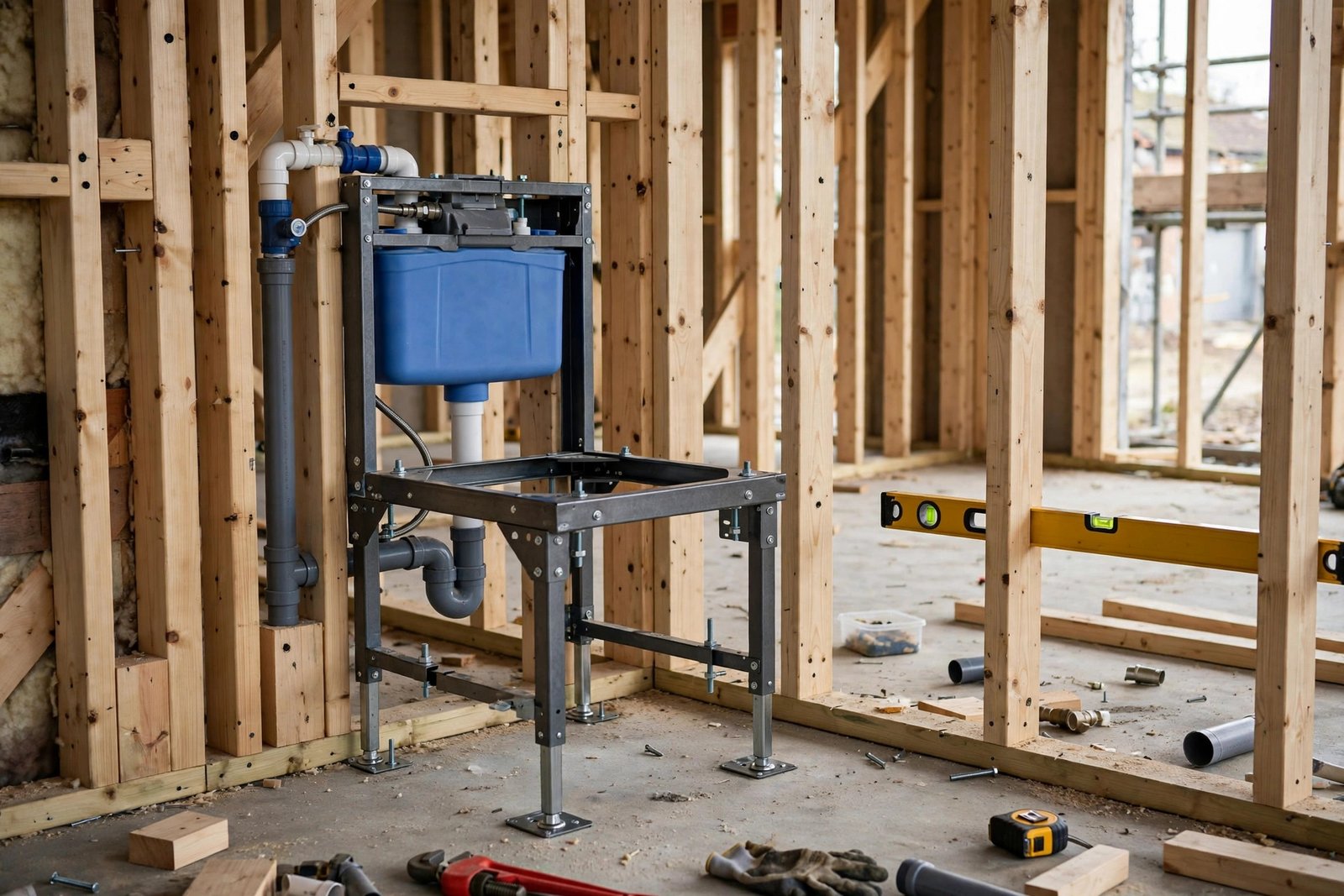
A wall hung toilet pan is mounted onto a metal frame fixed to the floor and wall, with the cistern concealed either within a false wall or a boxed-in unit. The flush is operated via a plate on the wall rather than a visible cistern lever, and waste connects through the frame to the existing plumbing.
Advantages of Wall Hung Toilets
- Easier floor cleaning, since there is no pedestal base or cistern on the floor for dirt and dust to collect around
- Sleek, minimalist appearance that suits contemporary bathroom designs
- Adjustable pan height during installation, useful for accessibility needs or matching a specific design preference
- Concealed cistern gives a cleaner, less cluttered visual line in the bathroom
- Can create a sense of more space in smaller bathrooms
Potential Drawbacks to Consider
- Higher upfront cost than a standard close coupled toilet, given the frame and concealed cistern
- More involved installation requiring a stud wall or boxing-in work, generally needing professional fitting
- Accessing the cistern for repairs is less straightforward than a standard visible cistern, though most frames include an access panel
- The wall or boxing must be built to support the frame correctly, adding to renovation planning and cost
Wall Hung vs Close Coupled Toilets
| Feature | Wall Hung | Close Coupled |
|---|---|---|
| Cost | £300 to £900 plus frame | £100 to £400 |
| Installation complexity | Higher, needs frame and boxing | Lower, straightforward fitting |
| Cleaning ease | Excellent, no floor obstruction | Good, but base and cistern collect dust |
| Appearance | Sleek, contemporary | Traditional, familiar |
| Cistern access for repairs | Via access panel | Direct, immediate access |
Installing a Wall Hung Toilet
- Fix the wall hung frame securely to the floor and, where possible, a supporting wall, ensuring it can bear the required weight
- Connect the concealed cistern and waste pipework within the frame
- Build a stud wall or boxing around the frame, leaving appropriate access for the flush plate and any future maintenance panel
- Tile or finish the boxing to match the rest of the bathroom
- Fit the toilet pan onto the frame at the desired height and connect the flush mechanism
Given the structural work involved, professional installation is strongly recommended for wall hung toilets rather than attempting a full DIY fit.
Can You Fit a Wall Hung Toilet on a Stud Wall?
Yes. This is one of the most common questions about wall hung toilets, and the answer surprises many people: most quality wall hung frames are floor-standing carriers. The steel legs bolt to the floor and carry the load down into the floor structure, while the wall fixings mainly stop the frame tipping. A timber stud wall is therefore usually fine, provided the frame is fixed correctly.
What matters most is the frame, not just the wall. A proper WC frame, sometimes called a carrier, is a steel structure designed for the job. UK bathroom retailers state that a correctly installed frame and pan combination supports 200kg (around 30 stone) or more. The failures you hear about almost always come back to poor installation rather than the wall type.
| Approach | How it works | Wall depth needed | Best for |
|---|---|---|---|
| New stud wall built around the frame | Frame fixed to floor and studs, then boarded over | 150 to 200mm total | Full renovations |
| Slimline frame in existing stud wall | Narrow cistern (from 75mm deep) fits inside the stud cavity | 100 to 120mm | Space saving refits |
| Boxing against a solid wall | Frame boxed in with moisture resistant board | 150 to 200mm | Masonry walls |
For an existing timber stud wall, the installer fixes through the plasterboard into the timber studs, or opens the wall and adds noggins between the studs at the frame fixing points. Dot and dab plasterboard over blockwork is also fine, because the fixings go through into the blockwork behind. What does not work is fixing a frame to plasterboard alone with no solid fixing point, which is why this is a job for an experienced fitter rather than a first DIY project.
Plan the depth early. The frame plus boxing typically adds 150 to 200mm to the wall, which changes the room dimensions on your plans. Slimline concealed cisterns from 75mm deep can reduce this, but check that the flush volume still meets dual flush standards for your chosen pan.
Wall Hung Toilet Cost Breakdown
| Item | Typical Cost |
|---|---|
| Wall hung toilet pan | £100 to £350 |
| Concealed cistern and frame | £150 to £400 |
| Flush plate | £30 to £150 |
| Professional installation including boxing | £300 to £700 |
Maintaining a Wall Hung Toilet
Most concealed cisterns include an access panel behind the flush plate, allowing a plumber to reach internal components for repairs without needing to break into the boxed wall. Keeping the access panel location noted and unobstructed makes future maintenance considerably easier.
Frequently Asked Questions
Are wall hung toilets harder to repair?
Accessing internal cistern components requires opening the access panel behind the flush plate rather than simply lifting a visible cistern lid, but this is a straightforward process for a plumber familiar with concealed systems.
Can wall hung toilets be fitted in any bathroom?
Most bathrooms can accommodate a wall hung toilet, provided there is enough depth for the frame and boxing, typically requiring at least 150 to 200mm of additional wall depth compared to a close coupled toilet.
How much weight can a wall hung toilet hold?
Quality wall hung toilet frames are engineered to support standard adult body weight safely when properly installed according to the manufacturer’s specifications, similar to any correctly fitted toilet.
Is a wall hung toilet more expensive to install than a standard toilet?
Yes, both the toilet and frame components and the professional installation involving boxing work generally cost more than a straightforward close coupled toilet replacement.
Do wall hung toilets save bathroom space?
They can create a sense of more open floor space since there is no visible pedestal or cistern base, which particularly benefits smaller bathrooms, even though the actual footprint saved is often modest.
Wall Hung Frame FAQs
How much weight can a wall hung toilet hold?
A properly installed frame supports 200kg (around 30 stone) or more, according to UK bathroom retailers. The steel carrier transfers the load to the floor, so the rating depends on correct installation to the floor and wall rather than the strength of the wall finish alone.
Can you install a wall hung toilet on a stud wall?
Yes. Most frames are floor-standing, so the floor carries the weight. The installer fixes the frame through the plasterboard into the timber studs, or adds noggins between studs at the fixing points for extra security.
What wall depth does a wall hung toilet need?
Typically 150 to 200mm of total depth for the frame plus boxing. Slimline concealed cisterns from 75mm deep can fit inside a standard stud wall cavity, reducing the overall depth needed.
Can you fit a wall hung toilet in an existing bathroom?
Yes, but the waste pipe position must suit the frame, and you need room for the boxing. Retrofits cost more than fitting during a full renovation because of the extra boxing and tiling work involved.
Is a wall hung toilet safe on plasterboard?
Only if the frame is fixed through the plasterboard into solid structure behind it, such as timber studs or blockwork. A frame fixed to plasterboard alone is not safe, which is why professional installation matters.
Expert Insight
Bathroom fitters report that wall hung toilets have become the preferred choice in a significant proportion of new bathroom renovations, driven largely by the combination of easier cleaning and the contemporary aesthetic that many homeowners now prioritise in bathroom design.
Final Thoughts
Wall hung toilets offer a genuinely practical upgrade alongside their sleek appearance, particularly for the easier cleaning that comes from having no floor-level obstruction. The higher upfront cost and more involved installation are worth weighing against these benefits, but for most contemporary bathroom renovations, the investment is widely considered worthwhile.
Considering a wall hung toilet? Confirm the wall depth available for the frame and boxing work before finalising your bathroom layout, since this affects both feasibility and the final room dimensions.
Related Guides
Written by the HometoWorld editorial team, covering home improvement, renovation, and property maintenance across the UK.
About the Author