Quick Answer: What Are the Main Types of Flooring?
The main flooring types used in UK homes are laminate, vinyl and LVT (luxury vinyl tile), engineered and solid wood, ceramic and porcelain tile, and carpet. Laminate and vinyl offer the best value for money and are the most popular choices for renovations, while engineered wood and natural tile suit higher budget projects where longevity and resale value matter most. The right choice depends on the room, your budget, and how much foot traffic and moisture the floor needs to handle.
Laminate Flooring
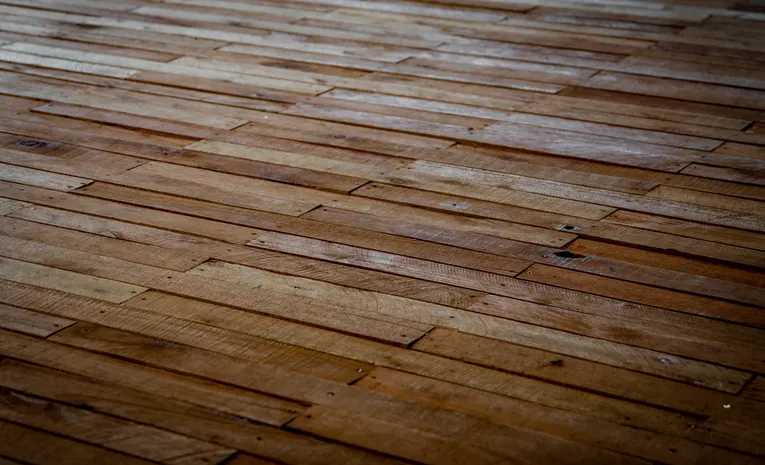
Laminate remains one of the most popular flooring choices in the UK thanks to its low cost and easy DIY installation. It consists of a high resolution image layer bonded under a hard wearing protective coating, often finished to replicate wood grain such as herringbone laminate flooring or a more traditional plank layout.
- Cost: £15 to £35 per square metre, materials only
- Lifespan: 15 to 25 years
- Best rooms: Living rooms, bedrooms, hallways
- Avoid in: Bathrooms and areas with standing water, since most laminate is not fully waterproof
Herringbone laminate flooring has become particularly popular for adding a premium look at a fraction of the cost of solid wood herringbone parquet.
Vinyl and LVT Flooring
Vinyl flooring, and luxury vinyl tile (LVT) in particular, has overtaken laminate in many UK renovation projects because it is fully waterproof, comfortable underfoot, and available in realistic wood and stone effect finishes.
- Cost: £20 to £50 per square metre, materials only, rising to £60 plus for premium LVT
- Lifespan: 10 to 20 years
- Best rooms: Kitchens, bathrooms, wet rooms, hallways
- Style options: Herringbone LVT, click LVT, and sheet vinyl are all widely available
Vinyl flooring in the kitchen is now one of the most requested renovation choices in the UK, since it combines a waterproof surface with underfloor heating compatibility.
Engineered and Solid Wood Flooring
Engineered wood consists of a real timber veneer bonded to a plywood core, giving the appearance of solid wood with better stability against humidity changes. Solid wood is a single piece of timber throughout and commands a premium price.
- Cost: £35 to £90 per square metre for engineered, £50 to £120 plus for solid wood
- Lifespan: 25 to 50 years, and solid wood can be sanded and refinished multiple times
- Best rooms: Living rooms, dining rooms, hallways
- Avoid in: Bathrooms and rooms prone to damp
Ceramic and Porcelain Tile Flooring
Tile flooring offers exceptional durability and full waterproofing, making it the standard choice for UK bathrooms and increasingly popular in kitchens. Patterned floor tiles and hexagon or herringbone tile layouts are a strong current trend for adding character to otherwise plain rooms.
- Cost: £25 to £80 per square metre, materials only
- Lifespan: 25 years plus, effectively the lifetime of the property with proper installation
- Best rooms: Bathrooms, kitchens, conservatories, entrance halls
- Considerations: Cold underfoot without underfloor heating, and can be unforgiving if dropped items are fragile
Carpet Flooring
Carpet remains the preferred choice for bedrooms and stairs in most UK homes for warmth, sound insulation, and comfort underfoot.
- Cost: £10 to £40 per square metre, materials only
- Lifespan: 8 to 15 years depending on quality and foot traffic
- Best rooms: Bedrooms, stairs, home offices
- Avoid in: Kitchens, bathrooms, and high moisture areas
Flooring Comparison Table
| Flooring Type | Cost per sqm | Waterproof | Lifespan | Best Rooms |
|---|---|---|---|---|
| Laminate | £15 to £35 | No | 15 to 25 years | Living rooms, bedrooms |
| Vinyl / LVT | £20 to £50 | Yes | 10 to 20 years | Kitchens, bathrooms |
| Engineered wood | £35 to £90 | No | 25 to 50 years | Living rooms, hallways |
| Tile | £25 to £80 | Yes | 25+ years | Bathrooms, kitchens |
| Carpet | £10 to £40 | No | 8 to 15 years | Bedrooms, stairs |
Underfloor Heating Compatibility
Tile, LVT, and engineered wood are all compatible with underfloor heating systems, making them popular choices for kitchen extensions and bathroom renovations. Carpet and standard laminate perform less well since thicker underlay reduces heat transfer efficiency.
Subfloor Preparation and Underlay
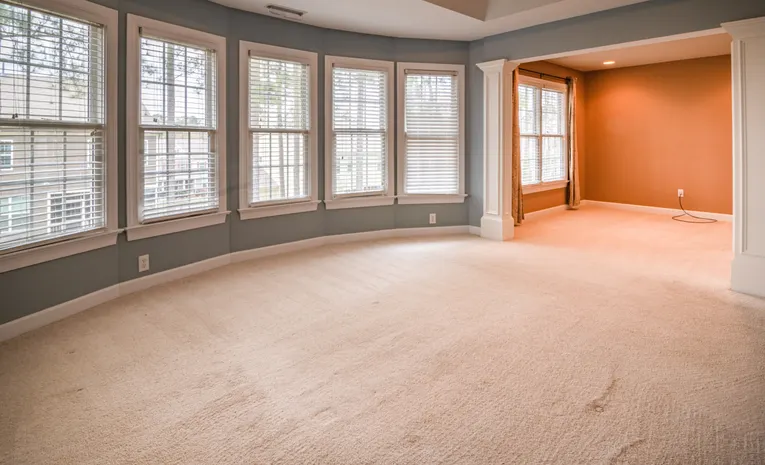
Whichever flooring type you choose, the finished result depends heavily on subfloor preparation. An uneven subfloor will telegraph through laminate and LVT over time, so self levelling compound is often needed before installation. Acoustic underlay is also worth considering in flats and converted properties to reduce sound transfer between floors.
How to Choose Flooring Room by Room
- Kitchen: LVT or tile for waterproofing and easy cleaning
- Bathroom: Tile or waterproof click vinyl, never laminate or carpet
- Living room: Engineered wood, laminate, or carpet depending on budget and style
- Bedroom: Carpet for warmth and comfort, or engineered wood with rugs
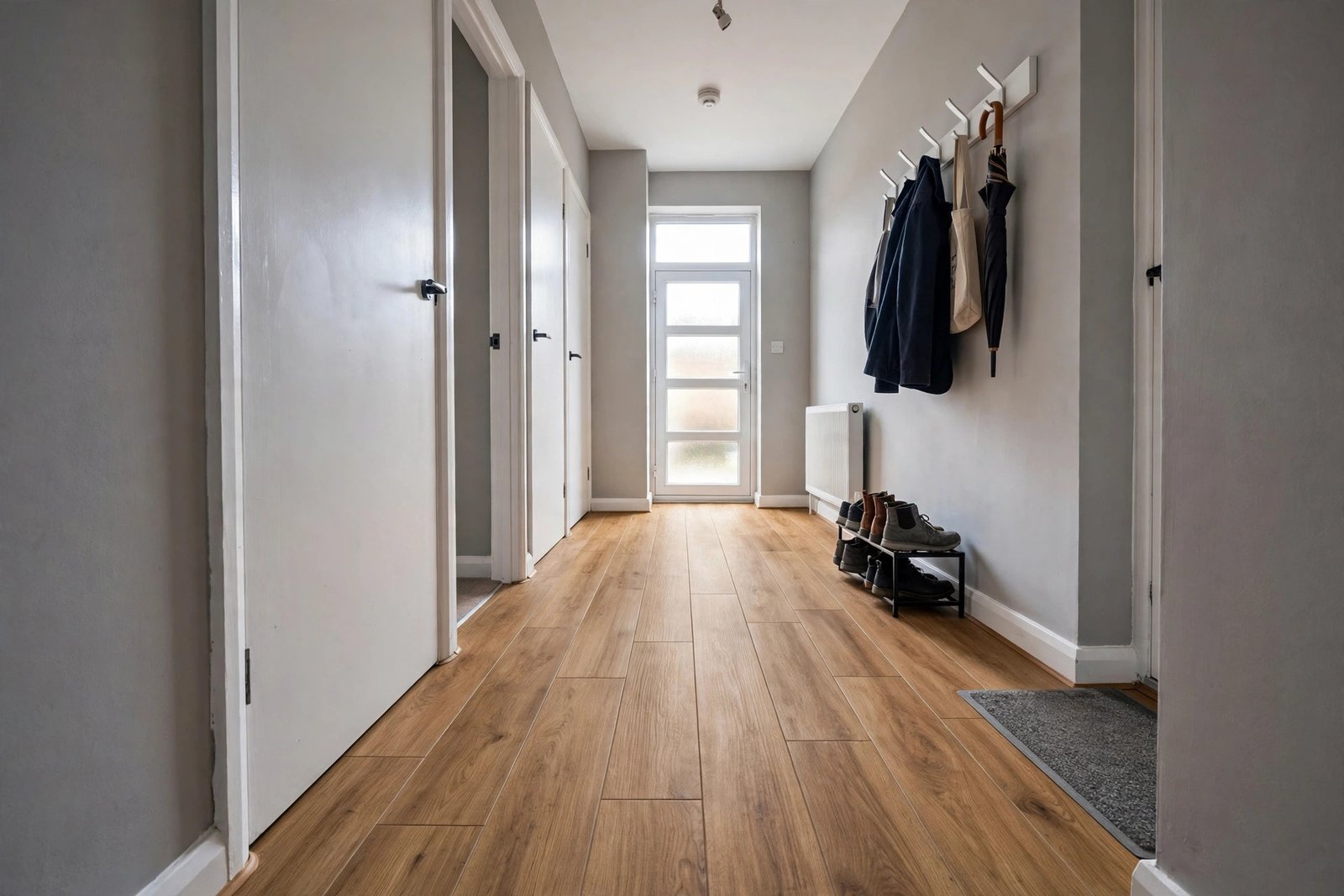
- Hallway: LVT or tile for durability against foot traffic and weather from outside
Best Flooring for Rental Properties in the UK
Landlords buy flooring with different priorities from homeowners: durability under strangers, low maintenance between tenancies, fast void turnaround, and cost per year of service rather than looks alone. No neutral UK guide currently covers this properly for all flooring types, so here is the landlord-focused breakdown.
| Flooring type | Supply and fit (typical) | Realistic rental lifespan | Best rental use | Watch out |
|---|---|---|---|---|
| Landlord-grade carpet | £15 to £25 per sqm | 3 to 5 years | Bedrooms | Stains and odours; budget for replacement each few tenancies |
| Sheet vinyl | £20 to £35 per sqm | 5 to 8 years | Bathrooms, kitchens | Cheap ranges can curl and look tired quickly |
| Click LVT | £35 to £55 per sqm | 8 to 12 years | Hallways, kitchens, HMOs | Higher upfront cost, lowest lifetime cost |
| Laminate | £20 to £35 per sqm | 5 to 8 years | Living rooms | Not waterproof: one leak ruins it |
| Porcelain tile | £50 to £90 per sqm | 15+ years | Bathrooms in premium lets | Cold underfoot; only worth it at higher rents |
Think in cost per tenancy, not cost per square metre
A £20 per sqm carpet replaced every four years costs more over a decade than a £45 per sqm LVT floor that survives ten. Work out: (supply and fit cost) divided by (expected years in a rental) to compare honestly. On that maths, click LVT usually wins for hallways, kitchens and living areas, while carpet keeps its place in bedrooms for warmth and noise reduction.
HMOs and student lets: the practical picks
For houses in multiple occupation, choose bleach-cleanable polypropylene carpet in bedrooms and LVT in all communal areas. Communal hallways and kitchens take the hardest wear in any rental, and LVT shrugs off the mud, spills and chair scrapes that kill carpet in a year. Individual click LVT planks can also be replaced without redoing the whole floor, which keeps maintenance costs down between tenancies.
The standard landlord formula that works
Most experienced UK landlords settle on the same mix: carpet in bedrooms, vinyl or LVT in kitchens, bathrooms and hallways, and laminate or LVT in living rooms. It balances tenant comfort where it matters with durability where the damage happens, and it keeps void refurbishments fast and predictable.
Frequently Asked Questions
What is the most durable type of flooring?
Porcelain tile is generally the most durable option for UK homes, resistant to scratches, moisture, and heavy foot traffic, often lasting the lifetime of the property.
Is vinyl flooring cheaper than laminate?
Basic sheet vinyl can be cheaper than laminate, but premium click LVT is often priced similarly to or slightly above mid range laminate, with the advantage of being fully waterproof.
Can you fit laminate flooring yourself?
Yes, laminate is one of the more DIY friendly flooring types thanks to click lock systems, though a straight, level subfloor and correct expansion gaps around the edges are essential for a good finish.
What flooring adds the most value to a house?
Engineered or solid wood flooring in living areas tends to add the most perceived value, followed by well fitted tile in kitchens and bathrooms.
How long does LVT flooring last?
Good quality click LVT typically lasts 10 to 20 years with normal domestic use, and commercial grade LVT can last longer again.
Rental Property Flooring FAQs
What flooring lasts longest in a rental property?
Porcelain tile lasts 15 years or more, followed by quality click LVT at 8 to 12 years. Landlord-grade carpet typically needs replacing every 3 to 5 years in a busy let.
What is the cheapest flooring for a rental property?
Landlord-grade carpet is cheapest upfront at £15 to £25 per sqm fitted. Over a decade, click LVT usually works out cheaper because it survives two to three times longer.
Should landlords choose carpet or vinyl for rentals?
Use both: carpet in bedrooms for warmth and noise reduction, vinyl or LVT in kitchens, bathrooms and hallways for waterproofing and durability. This mixed approach is what most UK landlords settle on.
What flooring is best for HMOs and student lets?
Bleach-cleanable polypropylene carpet in bedrooms and LVT in communal areas. Both handle heavy turnover, and damaged LVT planks can be replaced individually.
Can damaged LVT planks be replaced individually?
Yes. Click-lock LVT planks can be lifted and replaced without redoing the whole floor, which makes it one of the cheapest flooring types to maintain across tenancies.
Expert Insight
Flooring fitters consistently point to subfloor preparation, not the flooring product itself, as the most common cause of premature flooring failure. Budgeting time and cost for levelling an uneven subfloor is one of the best investments in any flooring project.
Final Thoughts
There is no single best flooring type for a whole house. Matching the flooring to each room’s moisture levels, foot traffic, and your overall budget will give the best long term result. For a deeper look at one of the fastest growing categories, see our dedicated vinyl flooring guide.
Planning a flooring project? Always get samples of your shortlisted materials into the actual room before committing, since lighting can change how a colour or finish appears dramatically.
Related Guides
- Vinyl Flooring Guide: Types, Cost and Best Rooms
- How to Fit Laminate Flooring: DIY Guide
- Patterned Floor Tiles: Ideas and Layouts
- Underfloor Heating Under Carpet
Written by the HometoWorld editorial team, covering home improvement, renovation, and property maintenance across the UK.
About the Author