Quick Answer: How Much Does CCTV Installation Cost?
CCTV installation for a typical UK home costs £350 to £1,500 depending on the number of cameras and system type, with a basic single camera setup starting around £350 and a full four camera system with professional installation and cloud storage running £800 to £1,500. Wireless systems are generally cheaper and faster to install than wired systems, which need cabling run to each camera location.
CCTV System Cost by Setup Size
| System Size | Typical Installed Cost | Best For |
|---|---|---|
| Single camera (front door focus) | £100 to £350 | Basic entry point monitoring |
| Two camera setup | £300 to £600 | Front and rear coverage |
| Four camera setup | £800 to £1,500 | Full property perimeter coverage |
| Six plus camera setup | £1,500 to £3,000+ | Larger properties, comprehensive coverage |
Wired vs Wireless CCTV Systems
Wired CCTV systems connect each camera to a central recorder via cabling, offering reliable, uninterrupted footage without battery or signal concerns, but installation is more labour intensive and therefore costs more, particularly on properties where cabling needs to be run some distance or through walls. Wireless systems connect via Wi-Fi, making installation considerably faster and cheaper, though signal strength and battery life for battery powered cameras become ongoing considerations.
DIY vs Professional CCTV Installation
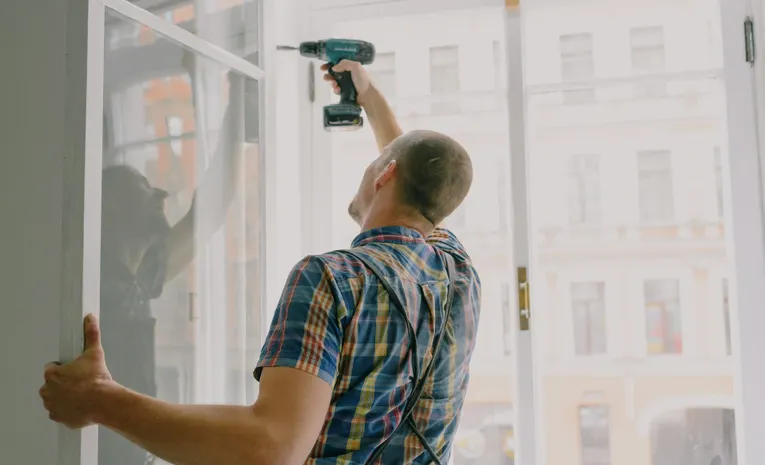
Many modern wireless CCTV systems are designed for straightforward DIY installation, with cameras that mount easily and connect to a smartphone app for setup and viewing. Professional installation is generally worth the extra cost for wired systems, larger multi-camera setups needing strategic positioning for full coverage, or where the footage needs to meet a specific evidential standard, since correct camera angle and height genuinely affect how useful footage is if ever needed for a police report.
Cloud Storage vs Local Storage
| Storage Type | Typical Cost | Pros | Cons |
|---|---|---|---|
| Cloud storage | £5 to £15/month | Footage safe if camera or recorder is stolen/damaged | Ongoing subscription cost |
| Local storage (SD card/NVR) | One-off cost, included in system | No ongoing fees | Footage lost if the storage device is stolen or damaged |
Where to Position CCTV Cameras
- Front door and main entrance, angled to capture faces clearly rather than just the top of heads
- Rear and side access points, particularly any gates or less overlooked entry routes
- Driveway, if vehicle security or deliveries are a priority
- Avoid pointing cameras directly into neighbouring properties or shared spaces, which raises both privacy and legal considerations under UK data protection guidance for home CCTV use
Legal Considerations for Home CCTV
Homeowners installing CCTV that only captures their own property generally fall outside formal data protection registration requirements, but if a camera captures neighbouring properties, shared spaces, or public pavements, additional considerations under UK data protection guidance can apply, including a recommendation to inform affected neighbours. Positioning cameras carefully to focus on your own property reduces both the legal complexity and the risk of neighbour disputes.
What Affects CCTV Installation Cost?
- Number of cameras: More cameras mean higher equipment and installation cost
- Camera quality: Higher resolution and night vision capable cameras cost more than basic models
- Wired vs wireless: Wired systems generally cost more to install due to cabling labour
- Storage type: Cloud storage adds an ongoing monthly cost not present with local storage
- Smart features: Motion activated alerts, facial recognition, and smart home integration typically increase cost
CCTV and Home Insurance
Some UK home insurers offer modest discounts for homes with an installed, functioning CCTV system, viewing it as a risk-reducing security measure similar to a full home security system or alarm. It is worth checking with your specific insurer what type of system, if any, qualifies for a discount, since requirements vary between providers.
Frequently Asked Questions
Do I need planning permission to install CCTV at home?
Standard CCTV cameras mounted on your own property generally do not require planning permission, though listed buildings or properties in conservation areas may have additional restrictions worth checking with your local planning authority.
How long does CCTV footage typically get stored?
This varies by system and storage plan, but most consumer CCTV systems retain footage for anywhere from a few days to 30 days before older footage is automatically overwritten, unless manually saved.
Can CCTV footage be used as evidence?
Yes, CCTV footage from a home system can be provided to police as evidence following a break-in or other incident, which is one reason correct camera positioning and adequate resolution matter for genuinely useful footage.
Is wireless CCTV as reliable as wired?
Modern wireless CCTV systems are generally reliable for most domestic uses, though they depend on a stable Wi-Fi connection and, for battery powered cameras, regular battery maintenance, whereas wired systems avoid both these dependencies.
How much does professional CCTV installation labour cost?
Professional installation labour typically adds £50 to £100 per camera on top of equipment costs, varying with the complexity of cable runs and camera positioning required.
Expert Insight
Security installers commonly note that camera positioning has a bigger impact on footage usefulness than camera resolution alone, since a high resolution camera mounted too high or at the wrong angle often fails to capture a clear, usable image of a person’s face.
Final Thoughts
CCTV installation cost in the UK varies considerably based on system size, wired versus wireless setup, and storage choice, but even a modest one or two camera system offers meaningful deterrent value and evidence capability. Careful camera positioning matters as much as the equipment itself for genuinely useful footage if it is ever needed.
Installing CCTV at home? Position at least one camera to clearly capture faces at your main entrance, since this single placement decision often determines how useful your footage is if you ever need it.
Written by the HometoWorld editorial team, covering home improvement, renovation, and property maintenance across the UK.
About the Author