
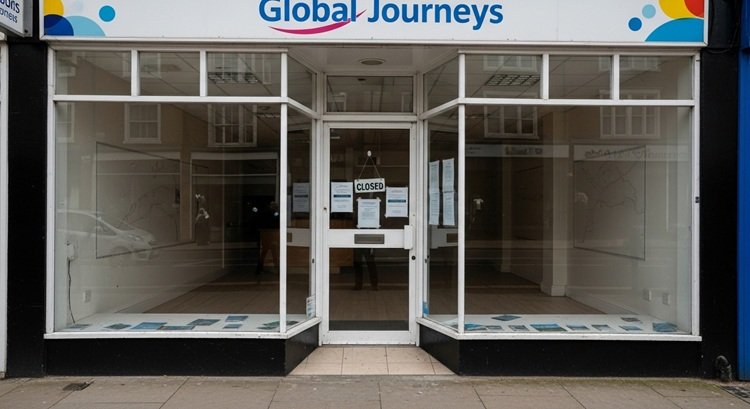
In a surprising turn of events for the local community, a well-known travel agent in Alresford has closed its doors and entered liquidation. The closure has left customers, staff, and local suppliers facing uncertainty, highlighting the challenges facing high-street travel agencies in today’s evolving travel market.
Background and Closure
Alresford Travel had served the Hampshire community for several years, providing personalised holiday planning, ticketing services, and travel advice to both domestic and international customers. The company built a reputation for tailored travel experiences and customer-focused service, often helping clients navigate complex itineraries and unique travel arrangements.
Despite its reputation, the agency was unable to sustain operations amid changing market conditions and financial pressures. The decision to enter liquidation marks the end of an era for a trusted local business, leaving many regular customers seeking alternative ways to plan their travel.
Impact on Customers
For customers, the immediate concern revolves around booked holidays and travel arrangements. The closure raises questions about refunds, cancelled trips, and travel insurance claims. Many clients who relied on the agent for planning family holidays, business trips, and international travel now face uncertainty regarding payments made and bookings confirmed.
Travel experts suggest that affected customers should act quickly to check the status of their bookings and ensure that they are aware of any protections or guarantees that may apply. The closure highlights the importance of understanding financial protection measures when booking through travel agencies.
Staff and Employment Consequences
The closure also impacts the employees of Alresford Travel. Staff members who contributed years of service to the company now face sudden unemployment and uncertainty about their financial future. In liquidation situations, employees are often considered creditors and may have to await official processes to receive any owed wages or benefits.
For local workers, the closure serves as a reminder of the fragility of small businesses, particularly in industries vulnerable to fluctuations in demand and economic pressures. It also raises broader questions about the stability of the travel sector and the need for contingency planning to protect employees.

Financial Challenges for Travel Agencies
The closure of Alresford Travel reflects broader trends affecting travel agencies nationwide. The rise of online booking platforms has drastically changed the way people plan holidays. Consumers increasingly prefer the convenience of digital tools, often bypassing traditional high-street agents entirely.
At the same time, operational costs for physical agencies—including rent, staffing, and regulatory compliance—remain high. Many smaller agencies struggle to balance these expenses with revenue, particularly in a post-pandemic climate where travel patterns and consumer habits are still stabilising.
Economic pressures, rising fuel costs, and unpredictable demand further compound the challenges. For Alresford Travel, these factors likely contributed to an untenable business model, forcing the difficult decision to cease trading and enter liquidation.
The Role of Consumer Protection
In cases where travel agencies close suddenly, consumer protection becomes a critical consideration. Travelers who booked through Alresford Travel need to verify the status of their reservations and whether they are covered by any protection schemes. For flight-inclusive packages, travel insurance, or other guarantees, there may be avenues to recover payments or secure refunds.
This situation underscores the importance for consumers to understand the terms and protections associated with bookings and to act promptly when a service provider closes. Being proactive can help minimise disruption and financial loss.
Local Economic Implications
Alresford Travel’s closure has ramifications beyond individual customers and staff. Local businesses, suppliers, and related service providers who worked with the agency may experience financial strain. The loss of a long-standing high-street business affects foot traffic, economic activity, and the broader commercial ecosystem within the town.
High-street travel agencies often contribute to local commerce by supporting hotels, transport services, and tourism providers. Their closure not only reduces direct employment but also impacts the wider network of services that rely on travel agencies as partners.
Lessons for Small Businesses
The closure of Alresford Travel offers lessons for small business owners in competitive markets. Adaptation and diversification are key to survival. For travel agencies, this could include:
- Expanding digital presence to reach a broader audience.
- Offering niche travel experiences that cannot easily be replicated online.
- Strengthening financial planning to withstand economic fluctuations.
- Maintaining clear communication and transparency with customers to build loyalty.
By embracing innovation and flexibility, small businesses can increase resilience against market disruptions and changing consumer behaviour.
Reflections on the Travel Industry
The experience of Alresford Travel reflects a larger shift within the travel industry. Traditional travel agencies face mounting pressure from technology-driven competitors and changing consumer expectations. The trend toward online booking, self-service tools, and direct travel operator engagement has fundamentally altered how the market operates.
While high-street agencies continue to offer personalised expertise and bespoke planning services, they must evolve to meet modern demands. Agencies that fail to adapt may risk closure, as seen in Alresford, while those that innovate are better positioned to survive and thrive.
Moving Forward for Affected Customers
For customers affected by the closure, there are practical steps to take:
- Contact any travel operators directly to verify bookings and confirm arrangements.
- Review travel insurance policies to understand coverage for cancelled services.
- Explore alternative booking platforms or agencies for future travel needs.
- Keep documentation of payments, receipts, and correspondence to support claims if necessary.
By taking these measures, customers can protect themselves and mitigate potential losses.
Conclusion
The closure of Alresford Travel is a significant event for the local community, its customers, and staff. It serves as a stark reminder of the challenges faced by traditional travel agencies in an increasingly digital marketplace. While the closure brings disruption, it also highlights the importance of consumer awareness, business adaptation, and financial preparedness.
As the travel industry continues to evolve, the lessons from Alresford Travel’s experience may serve as guidance for other small businesses and customers alike. Staying informed, understanding consumer protections, and remaining adaptable are crucial steps in navigating the modern travel landscape.
Alresford Travel’s legacy is a reminder of the personal touch and expertise that local agencies have historically provided. While the business may have closed, the experience of its staff and the impact on the community remain important reflections on the ongoing transformation of the travel sector.
For more info about Alresford Travel Agent Closes, visit the homepage for the latest articles
About the Author