
Quick Answer: What Should Be on a Home Maintenance Checklist?
A good home maintenance checklist covers seasonal tasks across the roof, gutters, heating system, plumbing, exterior, and interior, catching small issues before they become expensive repairs. Spring and autumn are generally the most important seasons for a thorough check, bookending the extremes of winter cold and summer heat that put the most strain on a property.
Spring Home Maintenance Checklist
- Check the roof for any tiles or slates dislodged during winter storms
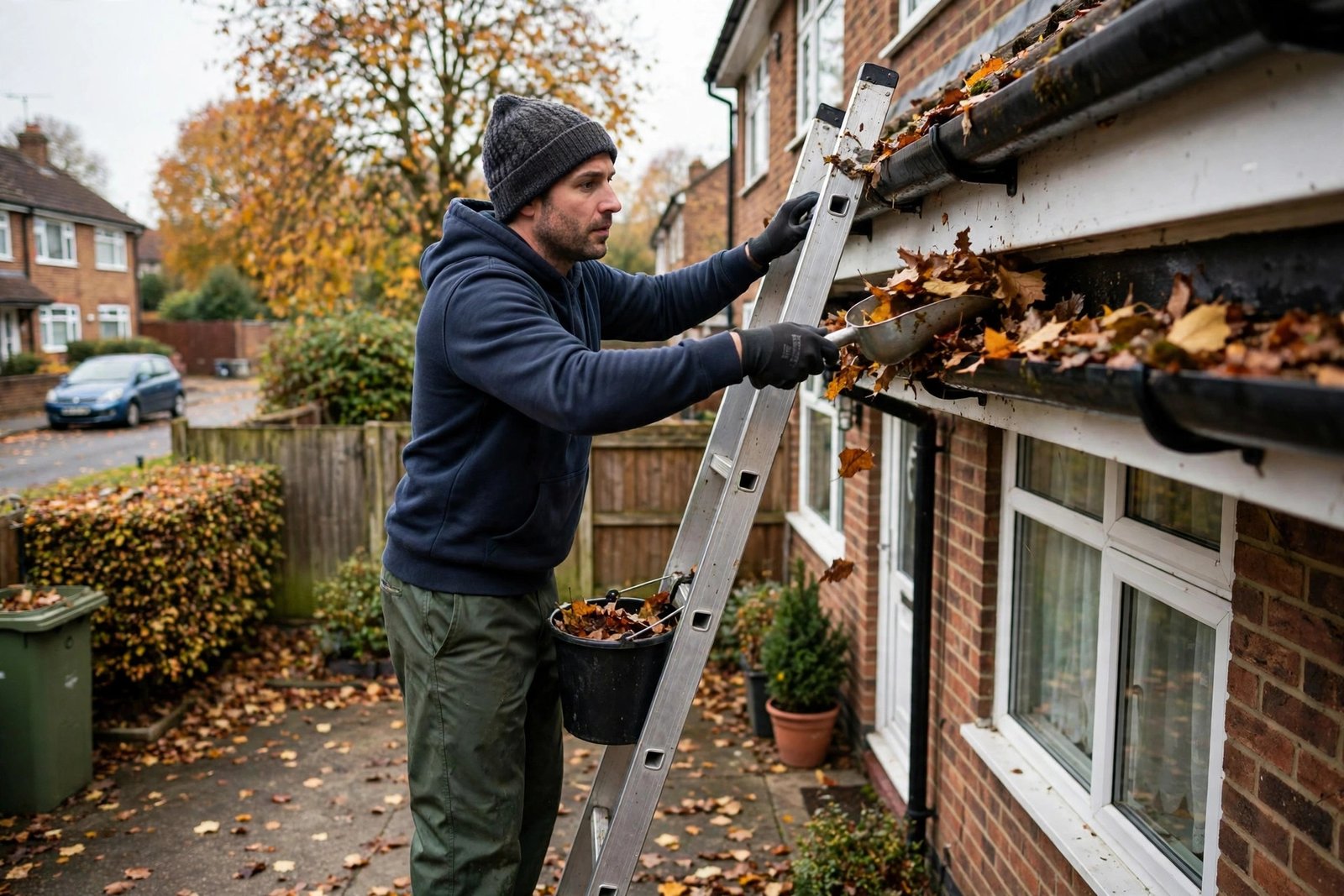
- Clear gutters and downpipes of leaves and debris that built up over autumn and winter
- Inspect exterior brickwork, render, and pointing for any winter frost damage
- Service the boiler ahead of switching to lighter use over warmer months
- Check outdoor taps and irrigation systems for any frost damage before regular use resumes
Summer Home Maintenance Checklist
- Clean and check windows, including seals and any signs of condensation between double glazed panes
- Treat and maintain garden furniture and decking ahead of peak outdoor use
- Check exterior woodwork, such as fascias and soffits, for any paint or stain touch-ups needed
- Clear any vegetation growing too close to the property, which can trap damp against walls
- Check smoke and carbon monoxide alarm batteries
Autumn Home Maintenance Checklist
- Clear gutters again ahead of the main leaf fall season
- Service the boiler and heating system before winter demand increases
- Check loft insulation depth and top up if needed before the coldest months
- Bleed radiators to ensure efficient heating throughout the property
- Check and clear any external drains before heavy autumn rainfall
Winter Home Maintenance Checklist
- Insulate exposed external pipework to prevent freezing and potential bursts
- Know the location of your stopcock in case of a burst pipe emergency
- Check loft and roof space for any signs of water ingress after heavy rain or snow
- Keep gutters clear of ice build-up where safely possible
- Monitor for draughts around doors and windows, addressing any newly noticed gaps
Annual Home Maintenance Tasks
| Task | Recommended Frequency |
|---|---|
| Boiler service | Annually |
| Gutter clearing | Twice yearly (spring and autumn) |
| Roof inspection | Annually, or after severe weather |
| Smoke/CO alarm testing | Monthly test, annual battery check |
| Chimney sweep (if used) | Annually before winter use |
| Exterior woodwork check | Annually |
Why Regular Maintenance Saves Money
Small, regularly caught issues, such as a slipped roof tile or a slightly blocked gutter, cost far less to address than the water damage, damp, or structural problems that can develop if left unattended for months or years. A consistent seasonal maintenance routine catches these issues while they remain minor and inexpensive to fix.
Creating Your Own Home Maintenance Schedule
- List every recurring maintenance task relevant to your specific property
- Assign each task to the most appropriate season based on when issues are most likely to develop or when preparation matters most
- Set calendar reminders for recurring tasks, particularly less frequent annual items that are easy to forget
- Keep a simple record of when tasks were last completed, useful for tracking patterns and any recurring issues
DIY vs Professional Maintenance Tasks
Tasks like gutter clearing at ground-accessible height, checking alarm batteries, and general visual inspections are suitable for most homeowners to handle directly. Boiler servicing, roof inspection at height, and chimney sweeping should be left to qualified professionals, both for safety and because some of these tasks, like boiler servicing, are tied to warranty and safety compliance requirements.
Month-by-Month Home Maintenance Calendar for the UK
Seasonal checklists are a good starting point, but breaking tasks down month by month makes the routine far easier to stick to. The calendar below spreads the work evenly across the year so no single month feels overwhelming, and each task lands when it matters most for UK weather conditions.
| Month | Key maintenance task |
|---|---|
| January | Check pipes and loft for frost damage; test smoke and CO alarms |
| February | Inspect roof and gutters for winter storm damage from ground level |
| March | Service the boiler before demand drops; clear gutters of winter debris |
| April | Check exterior brickwork and pointing for frost damage; reseal decking |
| May | Test outdoor taps after winter; clear vegetation growing against walls |
| June | Repaint or touch up exterior woodwork in dry weather; clean windows |
| July | Check and treat garden fencing; inspect loft insulation depth |
| August | Deep clean extractor fans; plan any larger autumn projects |
| September | Book the annual boiler service before the winter rush |
| October | Clear gutters and drains ahead of leaf fall; bleed radiators |
| November | Insulate exposed pipework; locate and test the stopcock |
| December | Monitor for condensation and draughts; keep heating ticking over |
Set a recurring phone reminder for the first weekend of each month. Most of these checks take under 30 minutes and only need a ladder, a torch and a pair of gloves. Tackling one small task monthly is far cheaper than discovering a blocked gutter or a failed boiler seal six months too late.
Frequently Asked Questions
How often should gutters be cleared?
Most properties benefit from gutter clearing twice a year, in spring and autumn, though homes with overhanging trees may need more frequent attention throughout the year.
Is an annual boiler service necessary?
Yes, an annual boiler service is generally recommended for safety, efficiency, and to maintain manufacturer warranty validity, and is a legal requirement for landlords under gas safety regulations.
What is the most commonly missed home maintenance task?
Checking and topping up loft insulation is frequently overlooked, since it is out of sight and does not show obvious visible signs of deterioration compared to more visible tasks like gutter clearing.
How do I know if my roof needs inspecting?
An annual visual check from ground level, plus inspection after any severe storm, weather event, or if you notice water staining on ceilings, helps catch roof issues before they develop into more significant damage.
Should I hire a maintenance company or handle tasks myself?
This depends on your time, confidence, and the specific task involved. Straightforward, ground-accessible tasks suit DIY handling, while anything involving height, gas, or electrical systems is best left to qualified professionals.
What home maintenance should I do each month in the UK?
Spread tasks across the year: check alarms and pipes in winter, service the boiler in spring, maintain exterior woodwork in summer, and clear gutters and bleed radiators in autumn. A monthly 30-minute check is enough to catch most small issues before they become expensive repairs.
When is the best time to service a boiler in the UK?
September is ideal. Engineers are less busy than in the depths of winter, and any issues are found before you rely on the heating daily. An annual service also keeps most manufacturer warranties valid and is a legal requirement for landlords.
How often should I check my roof in the UK?
Do a visual check from ground level at least once a year, ideally in February after winter storms, and again after any severe weather. Look for slipped or missing tiles, damaged flashing and sagging gutters. Anything at height should be left to a professional.
What is the 1% rule for home maintenance costs?
A common budgeting rule is to set aside around 1% of your property value each year for maintenance. For a £300,000 home that means roughly £3,000 annually. You will not spend it every year, but the fund covers larger jobs like roof repairs when they arise.
Which home maintenance tasks are most commonly forgotten?
Topping up loft insulation, checking the stopcock still turns, clearing external drains before autumn rain, and testing the boiler pressure monthly. These are all out of sight or easy to postpone, which is exactly why they get missed.
Expert Insight
Property surveyors consistently identify neglected gutters as one of the most common yet entirely preventable causes of expensive damp and structural damage, since blocked gutters can direct water against walls and foundations rather than away from the property as intended.
Final Thoughts
A consistent seasonal home maintenance routine catches small issues before they become expensive problems, protecting both your property’s condition and your budget over time. Building simple, recurring reminders into your calendar for the key seasonal tasks makes maintaining this routine far easier than trying to remember everything ad hoc.
Setting up a maintenance routine? Start with the tasks that prevent the most expensive potential damage, gutters, roof checks, and boiler servicing, before expanding to a full comprehensive checklist.
Related Guides
- Gutter Cleaning: Complete Guide
- Damp in Homes: Causes and How to Fix It
- Home Cleaning Routine: The Complete Guide
Written by the HometoWorld editorial team, covering home improvement, renovation, and property maintenance across the UK.
About the Author