
Quick Answer: What Is Curtain Lining?
Curtain lining is an extra layer of fabric sewn or attached to the back of a curtain’s main face fabric, sitting between the visible fabric and the window. It improves how curtains hang and drape, protects the face fabric from sun fading, and, depending on the type chosen, can block light, retain heat, or reduce outside noise. Standard, blackout, thermal, and interlining are the four main types, each suited to different rooms and priorities.
Do You Really Need to Line Your Curtains?
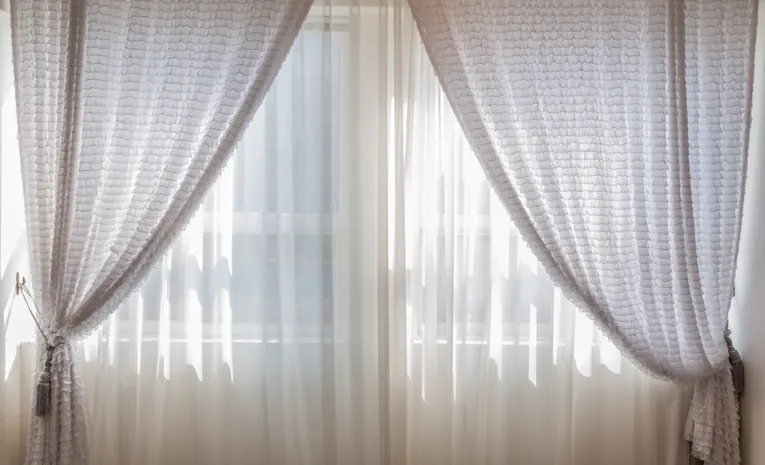
Unlined curtains are lighter, cheaper, and let more natural light filter through, which suits sheers, voiles, and purely decorative curtains where privacy and light control are not the priority. However, for most living room and bedroom curtains, lining is genuinely worth adding, since it improves drape and fullness, protects the face fabric from sun damage, and gives the option of blackout or thermal performance that unlined fabric simply cannot provide on its own.
Standard/Sateen Curtain Lining
Standard lining, often called sateen lining, is typically made from 100% cotton or a cotton and polyester blend, finished with a soft sheen. This is the baseline lining type, adding body and a more substantial look to curtains without any specific light-blocking or thermal function beyond the modest natural insulation any extra fabric layer provides. Many standard linings include a coating that helps resist fading from sun exposure over time.
Blackout Curtain Linings
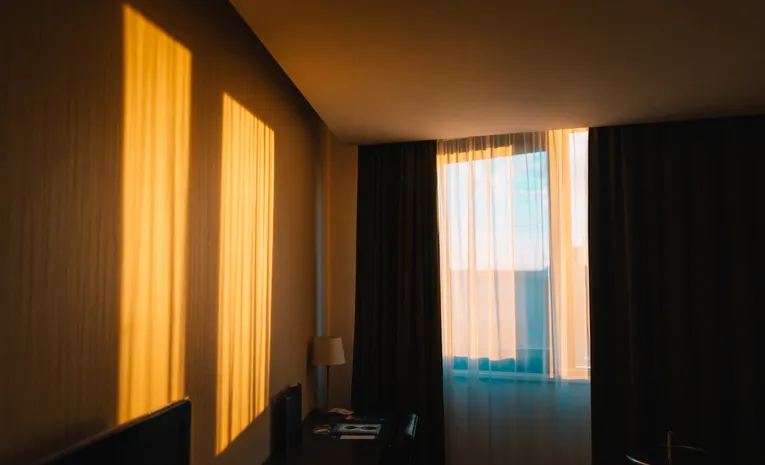
Blackout lining works by applying a coating to the base fabric that fills the tiny gaps in the weave, physically blocking light from passing through. A common point of confusion is the name itself: blackout lining is not actually black, and is typically available in white, cream, or ivory, sitting invisibly behind whatever face fabric colour you choose. Blackout linings are usually described as one, two, or three pass, referring to how many times the coating has been applied, with three pass linings offering the fullest light-blocking performance and often a softer, less rubbery feel thanks to modern flocked or microfibre finishes.
It is worth noting that even a certified blackout lining will not create a fully dark room on its own, since light can still seep in around the sides of the curtain and, on eyelet curtains specifically, through the eyelets themselves.
Thermal Curtain Linings
Thermal lining is designed primarily to reduce heat loss through the window, helping keep a room warmer in winter and, to a lesser extent, cooler in summer by reflecting heat away. Thermal linings are generally a fraction thicker than standard sateen lining, often incorporating a thin foam or specially coated layer, which gives curtains a fuller drape while delivering genuine insulation benefit, particularly valuable on older or single-glazed windows prone to draughts.
Interlining Explained
Interlining adds a third layer between the face fabric and the lining, best described as a thick, blanket-like layer of fabric, most commonly a soft cotton interlining such as sarille. Interlined curtains hang with noticeably more fullness and rounder, more structured pleats, giving a luxurious, opulent appearance particularly suited to period properties, formal living rooms, and full length curtains. Interlining also adds meaningful extra thermal and sound insulation, making it a strong choice for a draughty door curtain as well as windows.
Blackout vs Thermal: Which Should You Choose?
| Priority | Best Lining | Why |
|---|---|---|
| Bedroom, shift workers, light sleepers | Blackout | Maximum light control for daytime sleep or early sunrise |
| Cold or draughty room, older windows | Thermal | Best heat retention, reduces heating costs |
| Both light control and warmth needed | Thermal blackout (combined) | Modern combined linings offer both properties in one layer |
| Living room, general use | Standard/sateen | Good drape and fade protection without extra bulk |
| Period property, formal room | Interlining | Fullest, most luxurious drape plus strong insulation |
Many modern lining ranges now offer a combined “thermal blackout” option, built with a thermal coating over a blackout base, giving both light exclusion and insulation in a single lining rather than requiring a choice between the two.
Curtain Linings for Eyelet and Pencil Pleat Curtains
Lining works with both eyelet and pencil pleat curtain headings, though the heading style affects how well a blackout lining performs in practice. Pencil pleat curtains, gathered tightly at the top with fabric folds, tend to block light more completely at the heading than eyelet curtains, where the metal rings themselves create small, unavoidable points of light seepage along the top of the curtain regardless of how good the lining is. This is worth factoring in if genuinely total darkness is the goal, since even a 100% blackout lining cannot fully compensate for an eyelet heading’s inherent gaps.
Ready-Made vs Made-to-Measure Curtain Linings
| Feature | Ready-Made | Made-to-Measure |
|---|---|---|
| Best for | Standard curtain sizes, buying lining separately to fit | Bespoke curtains being made from scratch, exact sizing |
| Cost | Lower, sold by the metre or as pre-cut lining panels | Higher, cut and finished to exact requirements |
| Convenience | Fast, widely available from fabric and homeware retailers | Slower, often made to order |
Ready-made cotton curtain linings sold by the metre are the practical choice for adding or replacing lining on existing curtains, while made-to-measure lining suits anyone having curtains professionally made from scratch, since the lining is cut and finished as part of the same process.
Curtain Lining Fabric Materials
100% Cotton Lining
A natural, breathable option offering a soft handle and good durability, often chosen for its natural fibre appeal and reliable performance across most face fabrics.
Polyester-Cotton Blend Lining
A blended fabric offering a smoother sheen finish and good crease resistance, widely used as the base for both standard and blackout coated linings thanks to its stability and consistent quality.
How to Add Lining to Existing Curtains
- Measure your existing curtain’s width and drop accurately, since lining needs to match these dimensions closely
- Choose a lining type, standard, blackout, or thermal, and purchase enough fabric plus a small allowance for hems and seams
- Cut the lining fabric to size, allowing extra at the top for heading tape and at the bottom for a hem
- Attach the lining to the curtain, either by locking stitching it to the seam allowances at intervals, which allows the two layers to move independently and hang better, or using a simpler machine-stitched method around the edges for a flatter finish
- Hem the lining slightly shorter than the finished curtain length so it remains hidden from the front
- Attach or re-attach heading tape across the top, joining curtain and lining together at the heading
Adding lining to existing curtains is a realistic project for a confident home sewer, though a professional curtain maker will achieve a more precise, better-hanging result, particularly for interlining, which involves an extra layer and more complex construction.
Curtain Lining Cost Breakdown
| Lining Type | Typical Cost per Metre | Typical Cost for a Standard Window (2-3m) |
|---|---|---|
| Standard/sateen cotton lining | £5 to £12 | £15 to £35 |
| Blackout lining | £8 to £18 | £25 to £50 |
| Thermal lining | £10 to £20 | £30 to £55 |
| Interlining (sarille/cotton) | £6 to £15 | £20 to £45 |
| Professional fitting/relining service | — | £40 to £120 per curtain |
Curtain Linings for the Living Room vs Bedroom
- Living room: Standard/sateen or thermal lining generally suits best, prioritising drape, fade protection, and warmth over total light exclusion, though thermal blackout combined linings work well for south-facing rooms with strong sun
- Bedroom: Blackout lining is the most common choice, particularly for anyone sensitive to early morning light, shift workers, or children’s rooms, often paired with thermal properties in a combined lining for year-round comfort
- Period properties/formal rooms: Interlining suits best, giving the fuller, more traditional drape that period-style curtains are typically expected to have
Frequently Asked Questions
What is curtain lining?
Curtain lining is an extra layer of fabric attached to the back of a curtain’s main fabric, improving drape, protecting against sun fade, and, depending on type, providing light blocking or thermal insulation benefits.
What is the best type of lining for curtains?
There is no single best type, since the right choice depends on your priority: blackout for maximum light control, thermal for warmth and energy saving, standard/sateen for general drape and fade protection, and interlining for the fullest, most luxurious look.
How much does curtain lining cost?
Lining fabric typically costs £5 to £20 per metre depending on type, meaning a standard window’s worth of lining generally costs £15 to £55 in materials, with professional fitting or relining services adding £40 to £120 per curtain.
How do I add lining to existing curtains?
Measure your curtains accurately, cut lining fabric to match with allowance for hems, attach it using locking stitches or machine stitching along the edges, hem it slightly shorter than the curtain, then attach heading tape across the top to join both layers together.
Expert Insight
Curtain makers consistently note that light seepage around eyelet headings is one of the most common sources of customer disappointment with blackout curtains, since buyers often expect a certified blackout lining to guarantee total darkness, when in practice the heading style itself, not just the lining, determines how much light genuinely gets through.
Final Thoughts
Choosing the right curtain lining comes down to matching the specific benefit you want, light control, warmth, drape, or all three, to the right type, rather than assuming any lining will do the same job. Blackout and thermal linings can now be combined in a single product for rooms needing both benefits, while interlining remains the choice for the fullest, most traditional drape in formal or period settings.
Adding lining to your curtains? If total darkness is the goal, choose pencil pleat heading curtains over eyelet where possible, since the heading style affects light seepage as much as the lining itself.
Related Guides
Written by the HometoWorld editorial team. HometoWorld covers home improvement, renovation, and property maintenance across the UK, with guides written and fact-checked against current UK trade and soft furnishing industry standards. This article draws on curtain-making trade guidance and fabric industry terminology to give homeowners a clear, independent comparison of lining types, rather than promoting one retailer’s product range.
About the Author